





As talks between the United States and Iran move closer to a potential agreement, Iranian officials have outlined some conditions they say must be met before any final agreement can take effect. While Washington has focused on Iran’s nuclear program, Tehran has emphasized measures addressing sanctions, maritime access and regional security.Iran has outlined a number of conditions for ending its war with the United States, with Foreign Minister Abbas Araghchi saying the proposed memorandum of understanding (MOU) is closer than ever to completion.The proposed framework, reportedly known as the ‘Islamabad Memorandum of Understanding’ or ‘Islamabad Agreement’, would serve as an interim arrangement aimed at ending hostilities and creating conditions for comprehensive negotiations on Iran’s nuclear programme.The agreement is designed to extend the ceasefire, reopen the Strait of Hormuz and create a framework for future negotiations on Iran’s nuclear program.While US President Donald Trump has repeatedly claimed that a deal is imminent, Iranian officials have insisted that no final decision has been taken and that the text is being reviewed by Tehran’s leadership.
Iran’s first demand: Lift the US blockade
Iran has repeatedly said that the most important element of the proposed agreement is the lifting of the US naval blockade imposed during the war.Speaking to Iranian state television, Araghchi said the first article of the proposed memorandum focuses on ending sanctions on Iranian shipping and trade.He stressed that the first point mentioned in the MOU was the lifting of the US naval blockade of Iran.According to details discussed by US and Iranian officials, the reopening of the Strait of Hormuz would be linked to the lifting of the US blockade on Iranian ports and shipping.
Iran wants a separate Strait of Hormuz arrangement
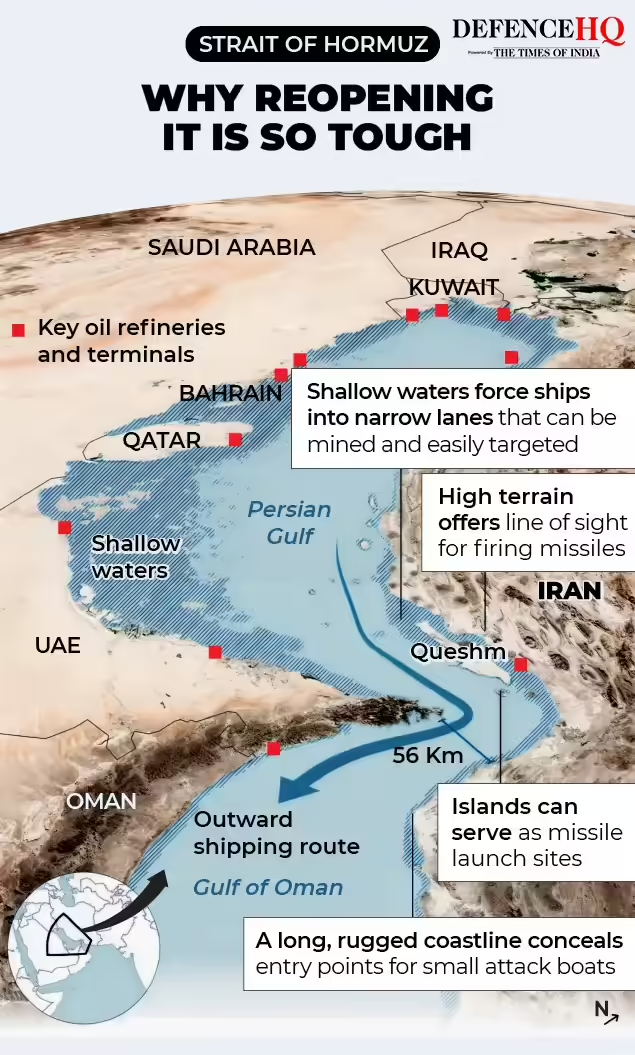
The future of the Strait of Hormuz remains one of the most sensitive issues in the talks.The waterway, through which about a fifth of the world’s oil and liquefied natural gas normally passes, has been effectively disrupted since the conflict began. Iran has implemented a toll system during the war, while the United States has insisted that the route should remain free.

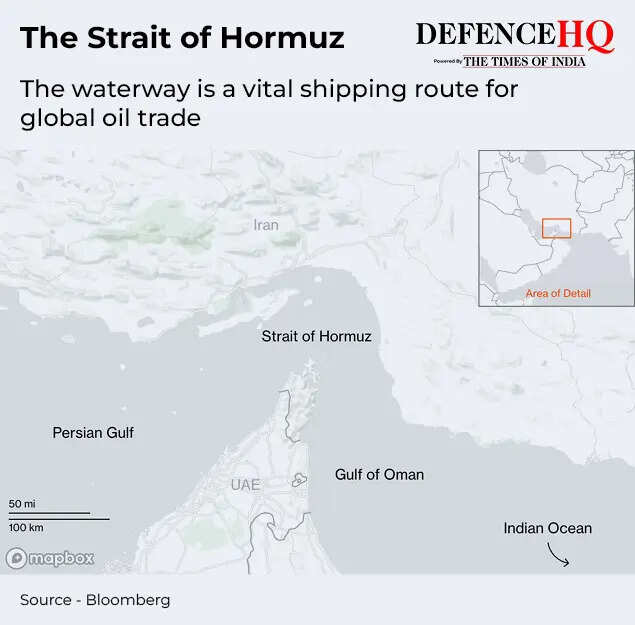
Araghchi indicated that Tehran does not intend to return to the previous arrangement, CBS News reported.“As far as the Strait of Hormuz is concerned, its governance will no longer be the same,” he said.In another interview, he clarified that Iran expects commercial ships to continue paying for services provided by Tehran.“There will be costs involved and those costs should be paid,” Araghchi said.Reuters also reported that Araghchi stressed that Iran, together with Oman, would retain control over traffic through the strategic waterway.“Our sword will always hang over the Strait of Hormuz,” he said.
Iran wants Lebanon to also join this agreement
Another key demand from Iran is that the deal should not only include Iran, but also include an end to hostilities involving Hezbollah in Lebanon, the BBC reports.Araghchi said the draft memorandum consists of 14 articles and the first phase focuses on ending the conflicts involving both Iran and Lebanon.Speaking to Iranian state television, he rejected suggestions that Hezbollah could be left out of any final arrangement.Araghchi said, “We will not forget Lebanon’s Hezbollah in any agreement. Iran will never leave Hezbollah alone.”Iran reportedly stressed throughout the talks that any ceasefire arrangement should apply ‘on all fronts, including Lebanon’.
Nuclear talks will take place later
Iran has also insisted on separating the ceasefire agreement from talks on its nuclear program.According to Araghchi, the current memorandum focuses on ending hostilities and creating conditions for future negotiations rather than immediately settling nuclear disputes.He said that after the initial agreement is signed, discussions on Iran’s nuclear program will be postponed to a second phase lasting 60 days.

.
According to state media, Araghchi said, “All details of the nuclear program will be deferred to the round of negotiations to be held after the signing of the memorandum of understanding or letter of intent.”He also suggested that the 60-day period could be extended if necessary.Regarding Iran’s reserves of highly enriched uranium, Araghchi said Tehran prefers a different solution than the one proposed by Washington.“For Tehran, the only preferred solution to its highly enriched uranium reserves is to dilute the material,” he said.


Iran says no final decision has been taken yet
Despite reports that the text has been largely agreed upon, Iranian officials continue to warn that approval has not yet been secured.Araghchi acknowledged that there are differing views within Iran’s Supreme National Security Council regarding the proposed terms.“The latest terms of the deal have supporters and opponents,” he said.He said that no collective decision has been taken yet.“For now, we must wait. If approved, the agreement will be signed remotely.”In a separate post on X, Araghchi urged caution on media reports claiming that details of the deal had already been finalized.“Until it is finalized, the media should refrain from speculating about its contents,” he wrote.He said all details would be made public once the process is completed.“In line with Iran’s responsible and transparent approach, all details will be shared with the public at the appropriate time.”
what does the united states want
While Iran has focused on sanctions relief, shipping access and Lebanon, Washington’s priorities focus on nuclear sanctions and regional security.US officials say the proposed deal would require Iran to:
- Reopen the Strait of Hormuz immediately.
- End funding to proxy groups across the region, including Hezbollah and other Iran-backed organizations.
- Resolve never to acquire nuclear weapons.
- Addressing concerns regarding its stockpile of highly enriched uranium.
- Accept future verification measures and compliance mechanisms.
According to US officials, the deal will begin with a 60-day negotiation period focused on Iran’s enriched uranium reserves.US officials have said the ultimate goal is the destruction or removal of Iran’s highly enriched uranium and comprehensive restrictions on Tehran’s nuclear activities.The United States has also made clear that any sanctions relief will be tied to Iranian compliance.A senior US administration official said the agreement was based on performance rather than trust.“Iran will receive economic benefits only if it can be verified that it has implemented the measures to which it has committed.”US officials also rejected suggestions that Tehran would receive large sums of money immediately after signing, saying sanctions relief and access to frozen assets would come gradually.
Digital signatures are now being considered
Earlier discussions focused on in-person signing ceremonies in Europe, but Iran now says remote signings are being considered, CBS reports.Speaking to Iranian state media, Araghchi said the memorandum could be signed digitally before being publicly announced.“Once this MoU is signed by both parties, it will be announced and that will be it.”He expressed hope that an agreement could be finalized soon.“This agreement will be signed and announced as soon as the final phase of our negotiations is completed.”“This may happen in the coming days. I have full hope.”Pakistan, which has played a leading role in mediation efforts, has said Washington and Tehran have already agreed on the wording of the text and are now discussing implementation.Prime Minister Shehbaz Sharif described the talks as being at the closest point of success.Araghchi echoed that assessment.“The MOU has never been closer to completion,” he said.However, both sides acknowledge that the proposed Islamabad agreement still requires final approval before it can formally take effect.