





Why are malaria vaccines less effective in children under 5 months of age?
Recent research suggests that antibodies transferred from mothers to their babies during pregnancy may reduce the effectiveness of malaria vaccines in infants under five months of age.

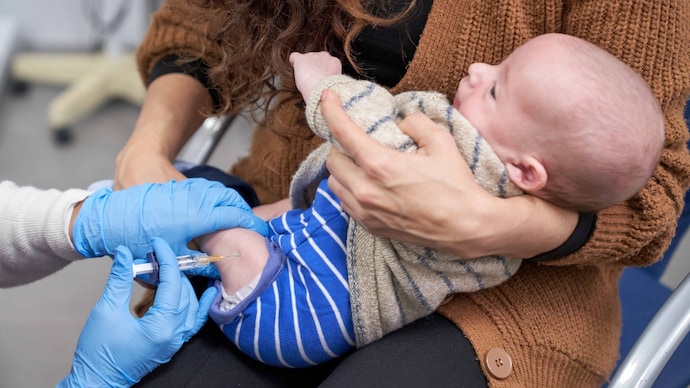
A study has found that antibodies passed from mothers to their babies during pregnancy may reduce the effectiveness of malaria vaccines in infants under five months of age.
Antibodies are proteins produced by the immune system to help fight infection. They recognize and attach to harmful invaders such as viruses and bacteria, marking them for destruction.
Antibodies are specific for each pathogen, meaning they target and neutralize specific germs the body has previously encountered.
In the study, a team of researchers from the Barcelona Institute for Global Health (ISGlobal) explained why the malaria vaccine works less effectively in very young children.
The research, conducted with seven African centres, was published in The Lancet Infectious Diseases.
This suggests that children younger than the current World Health Organization (WHO) recommended age for malaria vaccination may still benefit from RTS, S and R21 vaccines, especially in areas with low malaria transmission.
In these areas, mothers have less malaria antibodies, potentially improving vaccine effectiveness.
The malaria vaccines RTS, S/AS01E and R21/Matrix-M were developed to protect children in Africa against Plasmodium falciparum, the parasite responsible for malaria.
Both vaccines are currently given to children from the age of five months.
“We know that the Rts,S vaccine is less effective in infants under five months of age, but the exact reason for this is still under debate,” said Carlotta Dobano, who leads the malaria immunology group at ISGlobal.

To find out, Dobano’s team studied blood samples from more than 600 children between the ages of 6 weeks and 17 months who participated in a clinical trial of the RTS,S vaccine.
They measured the presence of antibodies against malaria before vaccination, to see how age and previous exposure to malaria affected children’s responses to the vaccine.


Their analysis showed that in infants, higher levels of antibodies passed from their mothers during pregnancy were associated with weaker responses to malaria vaccines. This interference was particularly noticeable with maternal antibodies targeting a specific part of the malaria parasite.
On the other hand, infants who had low levels of maternal antibodies or no maternal antibodies responded to the vaccine in the same way as older children.

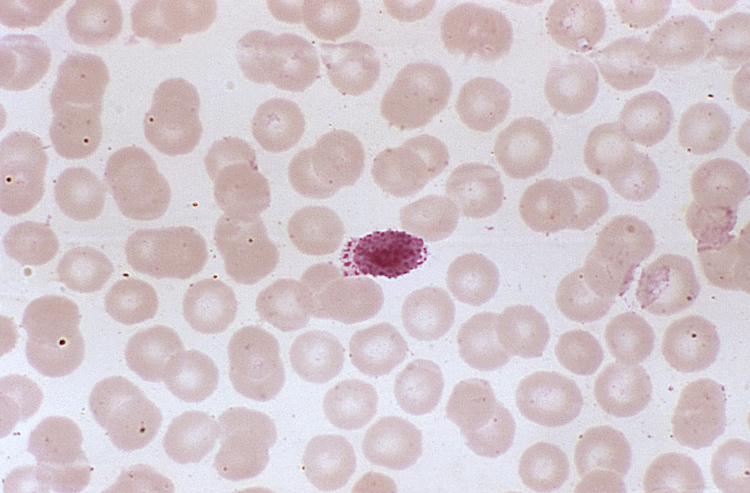
Although the exact reasons for this interference are not fully understood, similar effects have been seen with other vaccines, such as the measles vaccine.
The study confirms that maternal antibodies help protect newborns in early life, but they may also reduce the effectiveness of vaccines such as RT-PCR.
This is especially true in areas with high malaria transmission, where mothers pass more antibodies to their children, reducing the effectiveness of the vaccine.
However, in areas with low malaria transmission, infants may still benefit from getting vaccinated earlier than current guidelines suggest.
“This research highlights the importance of considering both timing and maternal antibody levels to improve vaccine effectiveness in the youngest infants,” said study co-author Gemma Moncunille.