





Which nuts are best for your health, and when and how you should eat them
Nuts are rich in nutrients and fiber, making them an excellent way to reduce appetite. But are they really good for everyone?
Many of us start our morning with a handful of soaked almonds, which are known for their abundant health benefits. While almonds are indeed rich in vitamins and nutrients, here’s the thing: they may not be suitable for everyone. For example, people with kidney disease may need to limit their intake due to its high amounts of phosphorus and oxalate.
As much as we love to pack nutrients, a one-size-fits-all approach to nutrition needs to stop. Even something nutritious like nuts and dried fruits requires a little discretion; Not everyone can have everything, and certainly not all the time.
Are all dry fruits and nuts good for our health?
While dried fruits and nuts are packed with nutrients, healthy fats and antioxidants, they aren’t universally beneficial for everyone. There are a few things to keep in mind.
“Most dry fruits are rich in vitamins, minerals and antioxidants,” says Deepali Sharma, clinical nutritionist at CK Birla Hospital, Delhi. They support heart health, improve digestion and boost immunity. However, moderation is important, as some may be high in natural sugars and calories.


“A mixture of salty and sweet walnuts should be avoided, as the added ingredients can quickly turn a healthy snack into a detrimental addition to the diet,” says Dr. Addu Kiranmoyee, senior clinical nutritionist, Rainbow Children’s Hospital, Hyderabad.
The correct way to consume them
Studies have shown that ‘three or four’ nuts a day help reduce cholesterol and inflammation, and it’s a superfood and people should be consuming it in some way or another, but what’s the right way to do it? Is?
In Ayurveda, soaking nuts Like almonds, walnuts and cashews are highly recommended to be eaten overnight. This process helps in reducing them Bile (heat) and makes them Activates enzymes and makes it easier to digest Which improves the absorption of nutrients. Soaking also helps remove phytic acid, Which can prevent the absorption of minerals like calcium and magnesium.

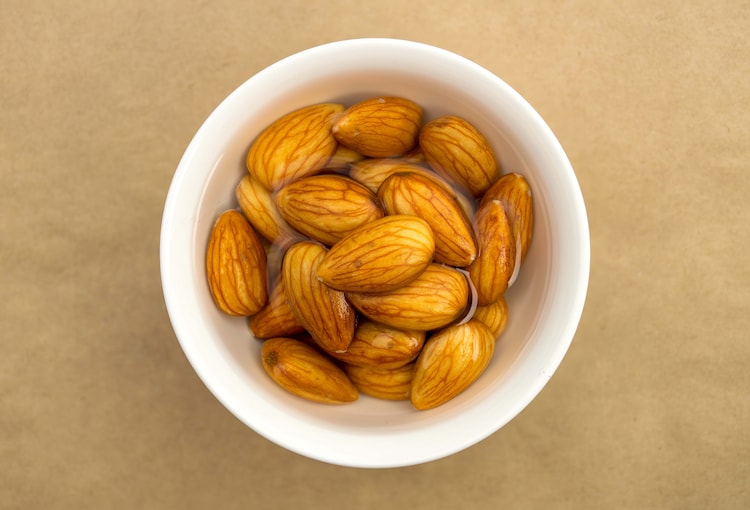
,soak dry fruits overnight This is the best way to consume them because it helps Get rid of phytates and tannins Which prevents the absorption of nutrients and disrupts the digestion process. If soaking is not possible then they should be dry roasted to improve their digestibility. Dr. Kiranmayi says, “It is not advisable to eat nuts after deep frying them.”
Frequently Asked Questions, Answered by Dietitians
When it comes to nuts, dietitians are often asked a common question: “Will eating these make me gain weight?,
Since nuts are high in calories and fat, people on a weight loss journey often feel skeptical about including them in their diet.
Pooja Shah Bhave, Mumbai-based consultant clinical dietitian, explains, “People embarking on a weight loss journey should include nuts, oil seeds and dry fruits as an integral part of their daily diet. yes, a A handful of dry fruits can contribute about 100 kcalTherefore it is important to adjust your calorie intake by reducing 100 kcal from other sources, especially carbohydrates. After all, calorie deficit is the key to weight loss.”
Despite concerns about weight gain, there are good reasons to include nuts in your diet.
According to dietitian Deepali Sharma, “Nuts are high in healthy fats, proteins and fibre, which promote satiety. it makes them one Excellent addition to weight loss diet,
Can people with digestive problems consume nuts?


Another common question is whether nuts are suitable for people with acid reflux or other digestive problems.


Rinki Kumari, chief dietitian, Fortis Hospital, Bengaluru, says, “Certain nuts like almonds and pistachios can actually benefit digestive health. However, individuals with severe gastric problems may need to avoid high-fiber or high-fat nuts.
Pooja Shah Bhave says, “People with conditions such as irritable bowel syndrome (IBS) may find it difficult to tolerate excessive consumption due to the high fermentable fiber content in walnuts, which can disrupt digestion and cause diarrhea Is.”
She also mentions, “Individuals who have problems digesting fat, such as those with gallstones, consuming too many nuts or oily seeds may cause sticky, loose stools as the body expels excess fat. Is. It is important to note that tolerance varies from person to person, so it is important to consult a dietitian or monitor symptoms to decide what to eat and in what quantities.
When is the best time to eat nuts?
- Experts suggest that the ideal time to eat nuts is morning or midday. This is because nuts provide sustained energy and help satisfy hunger, making them a great way to start the day. It’s best to avoid consuming nuts before bedtime, as they can cause digestive issues for some people.
- Dietitians also recommend mixing nuts with fruits. “Nuts can help lower the glycemic index of fruits, while the vitamin C present in fruits aids the absorption of iron present in nuts,” says Bhave.
- Additionally, eating nuts between meals can help maintain energy levels and curb hunger without putting a strain on the digestive system.
Ideal portion size?
- A maximum of 30-50 grams of nuts or oil seeds can be consumed in a day.
- Anything over 50 grams is not acceptable.
- It should be taken in two parts of 15-15 grams twice a day.
- Dry fruits like dates, figs (anjeer) or black raisins are a different category and can be taken 15-30 grams per day.
go crazy wisely
Just because something is labeled ‘healthy’ doesn’t mean you should overdo it. When it comes to flavored nuts, moderation is key. Be sure to check the ingredient list before you start chewing.