





Conflict in the Middle East flared up again as Iran fired missiles at Israel, the first such increase since a fragile ceasefire came into force on April 8. As the missiles fell to the ground, several bright streaks of light were seen in the night sky. Sirens were sounded in many parts of Israel, sending millions of people into shelters. The Israeli military said it intercepted the missiles, although several explosions were heard in the north of the country. Within an hour, the army informed residents that they could leave the reinforced areas. Israel condemned the attack and indicated it was prepared to respond. “Iran has made a grave mistake,” said Israeli military spokesman Brigadier General Effie Defrin. The army’s chief of staff, Lieutenant General Eyal Zamir, said “it will attack the enemy resolutely as soon as it receives the order”.Iran’s state broadcaster confirmed the missile launch, while officials closed western airspace in anticipation of a possible Israeli response. The attack came as Tehran warned of retaliation following Israel’s attack on Beirut’s southern suburbs earlier in the day.“Should these acts of aggression be repeated, the scope of the responses will be broad and include all American and Zionist targets throughout the region,” Iran’s Revolutionary Guard said, referring to attacks on Iran’s coast and ships around Lebanon and the Strait of Hormuz.Israel said Iran-backed Hezbollah had fired shots toward northern Israel before the Iranian missile launch. The country has also warned that any attack on Beirut could re-ignite full-scale war throughout the Middle East.
Trump urged restraint
At the same time, US President Donald Trump seems to be discouraging the case from taking it forward. Israel’s public broadcaster, Kan, reported that Trump did not believe Israel needed to respond further. The US president also told the Financial Times, “I make all the decisions. He (Netanyahu) doesn’t make the decisions.”A senior US official said Trump spoke to Israeli Prime Minister Benjamin Netanyahu after the missile attack and urged him not to immediately retaliate. The official, speaking on condition of anonymity, said Trump believes he has convinced Netanyahu to wait.“Trump detained Bibi for some time,” the official said.

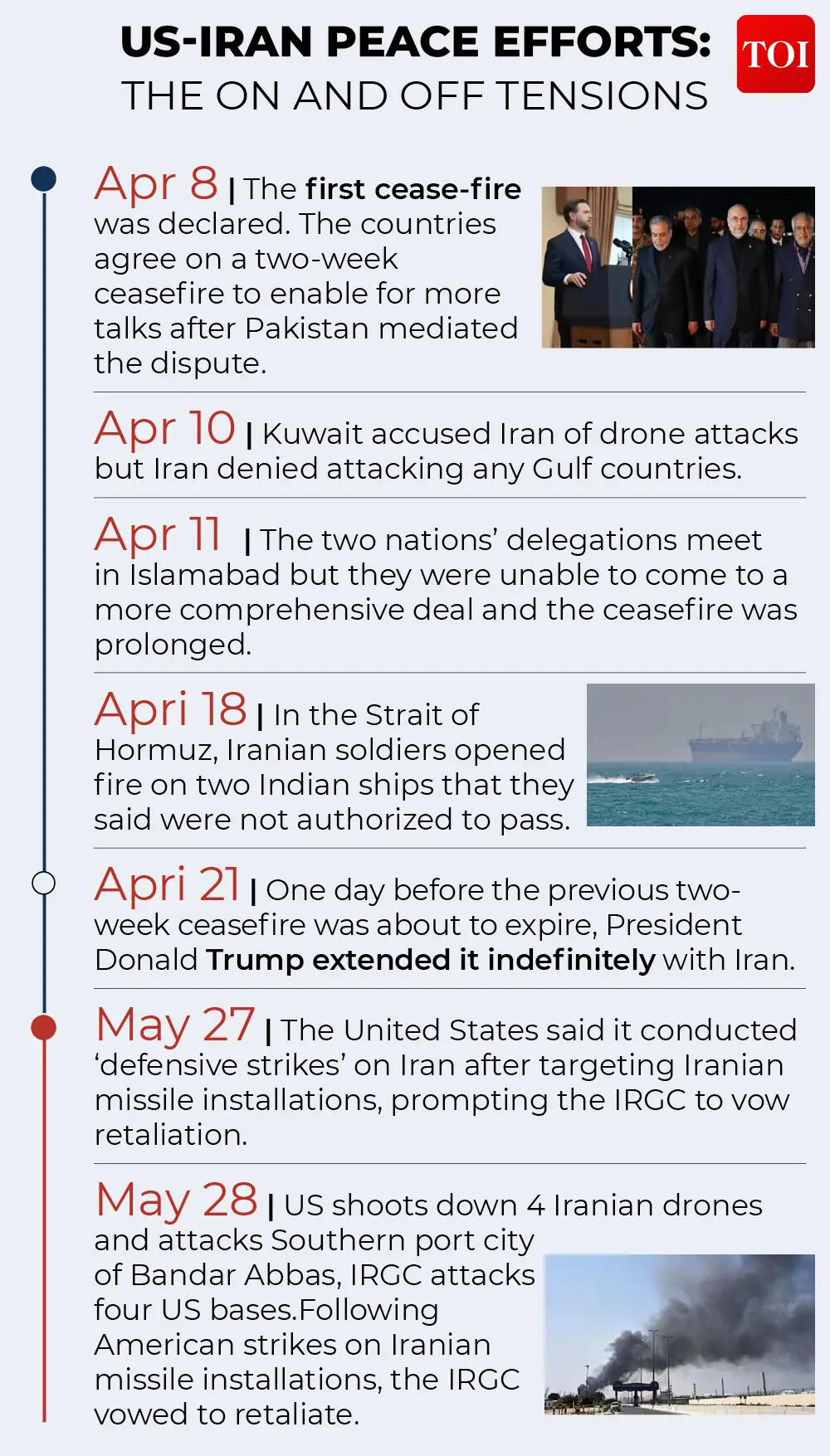
The missile attack has further complicated efforts to revive talks between Tehran and Washington, as the crisis in the Middle East has now continued for 100 days.Shortly before the launch, US Central Command posted on Twitter that “US forces in the Middle East are alert and ready”. The US Embassy in Israel later instructed staff and family members to shelter in place.
Lebanon remains a major flashpoint


The latest tensions followed an Israeli attack on Beirut’s southern suburbs, days after Lebanese and Israeli officials agreed to a ceasefire during US-hosted talks that were rejected by Hezbollah.“The army will continue operations throughout Lebanon,” an Israeli military spokesman said.Israel’s military campaign and ground offensive in Lebanon, as well as Hezbollah’s refusal to disarm, have complicated efforts to secure a comprehensive agreement to end the conflict. Iran says any deal must include an end to the fighting in Lebanon.Trump told a Fox News Channel reporter that he wants Iran to stop launching missiles and return to negotiations. He also said that Israel’s attacks on Sunday were not coordinated with Washington and said, “I’m not happy with that”.
Airspace closure and regional impact
Meanwhile, tensions continue around the Strait of Hormuz, where Iran maintains control while the United States continues a blockade of Iranian ports. Shipments of oil, natural gas and fertilizer have been affected.Since the ceasefire began, Iran has launched missiles and drones at the Gulf states and has said it is targeting the US military presence in the region.Following Sunday’s missile launches against Israel, Iraq’s civil aviation authority announced a 72-hour closure of the country’s airspace, while Syria’s aviation authority ordered a 12-hour airspace closure.Flights from Tehran’s main international airport were also suspended, according to Iran’s Civil Aviation Authority, the official Mizan news agency reported.Meanwhile, the crisis that began with Israel and the US launching joint strikes on Iran on February 28 has been ongoing for more than three months now.