





Walking an empty stomach after meals: Which more fat burns?
While many people go out for a walk after a hearty meal, others prefer to walk on an empty stomach, thinking that it will burn more calories. Learn from experts on whom someone is more effective.
Walking is as a great form of exercise. It helps in burning calories, managing stress, promoting metabolism and tone muscles. Walking fast even on weight loss journey is very beneficial.
While many people go out for a walk after a hearty meal, others prefer to walk on an empty stomach, thinking that it will burn more calories. If you have also ever thought about which walking is more effective for weight loss–confusion after stomach or latter meal is definitely real. Both types of walks help to burn calories and help to lose weight, but which is better? Let’s hear it from health experts.

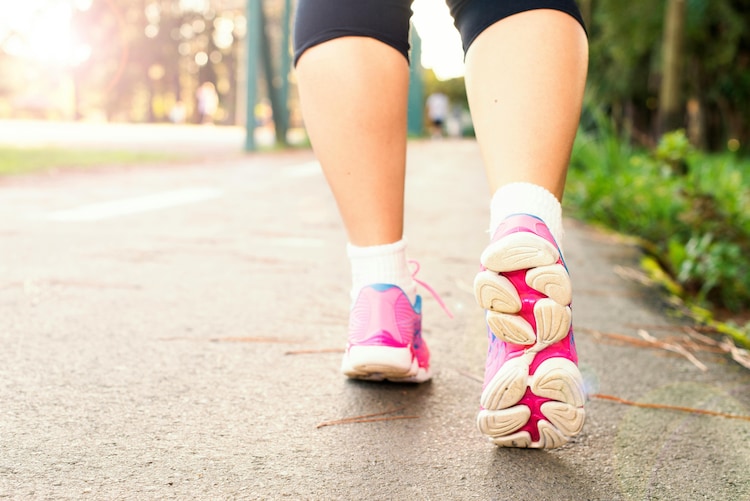
“When someone is aiming to lose weight, it is always better to walk on an empty stomach. It is also known as fasting cardio, “Fareha Shanam, Sir Ganga Ram Hospital, shares senior dietists.
If a person is generally healthy, fasting with small or medium-length can be a part of their routine.
How to help by walking on an empty stomach
Experts say that when someone walks on an empty stomach, the body is forced to use fats stored for energy (because there is no easily available glucose). This can increase fat and potentially reduce better weight.
“Muscles raise sugar from the blood for contraction (while walking, running or exercising). When sugar levels fall into the blood, the liver breaks glycogen in glucose to fuel the muscles. Even during sleep, the liver releases glucose in the bloodstream; Therefore, the body stores of glycogen are low in the morning. Therefore, exercising in a fasting state is motivated to burn the body more fat for energy, ”Dr. Tushar Teyal, Advisor, Internal Medicine, CK Birla Hospital, Gurugram explains.
A study conducted by researchers at the University of Nottingham Trent in 2022 saw that exercising on an empty stomach was 70 percent more fat.
“The combination of exercise and fasting can be a powerful way to increase the benefits of exercise, so we want to assess it in a long period and find other methods in which we can make fasting easier and more convenient, “Dr. David. Nutrition and exercise physiology expert Clayton at Nottingham Trent University said.
If you feel that you may be more or more or indulged in a diet rich in carbohydrates in response to a prolonged appetite, then know that the benefits of this fast walk will be wasted.
When (and how) stay alert with fasting
Health issues such as diabetes, high blood pressure and blood pressure should be cautious when fasting is involved in cardio.
Dr. Siri M Kamath, Consultant – Internal Medicine, Glenaigals BGS Hospital says, “Fasting cardio for an extended period can be risky due to the possible effects of low blood sugar and dehydration, such as lights, dizziness, jerks and sinks ( Faint), “, Bengaluru.
Dr. Kamath also highlights another possible side effects of walking on an empty stomach. “If the system does not have enough carbohydrates to provide energy, the body begins a process called gluconogenesis, which converts protein into fuel. This means that there may be less protein left for muscle rebuilding, ”they say.


What about later walking?
Post -meal walks are also beneficial for health and have their own set of professionals.
When you walk after meals, your body uses glucose from the food you have eaten for energy.
Fareha Shanam explains, “This can improve endurance and performance, as there is an easily available source of energy in your body.” As a result, it helps control blood sugar spikes, which is especially important for people suffering from diabetes or insulin resistance.
Although it cannot necessarily burn more fat than fasting walking, running for 10–15 minutes after meals improves digestion and prevents inflammation.
How much to walk?
For weight loss and to maintain overall welfare, run for 30 to 60 minutes daily.
Overall, losing weight is not completely dependent on how much you exercise. You need to maintain a healthy lifestyle, get adequate sleep and create a calorie deficit (or more calories burning through dietary changes and exercises).
“An empty-stone walk can help in burning high percentage of fat, but burnt total calories are more important,” Dr. Tail says.