





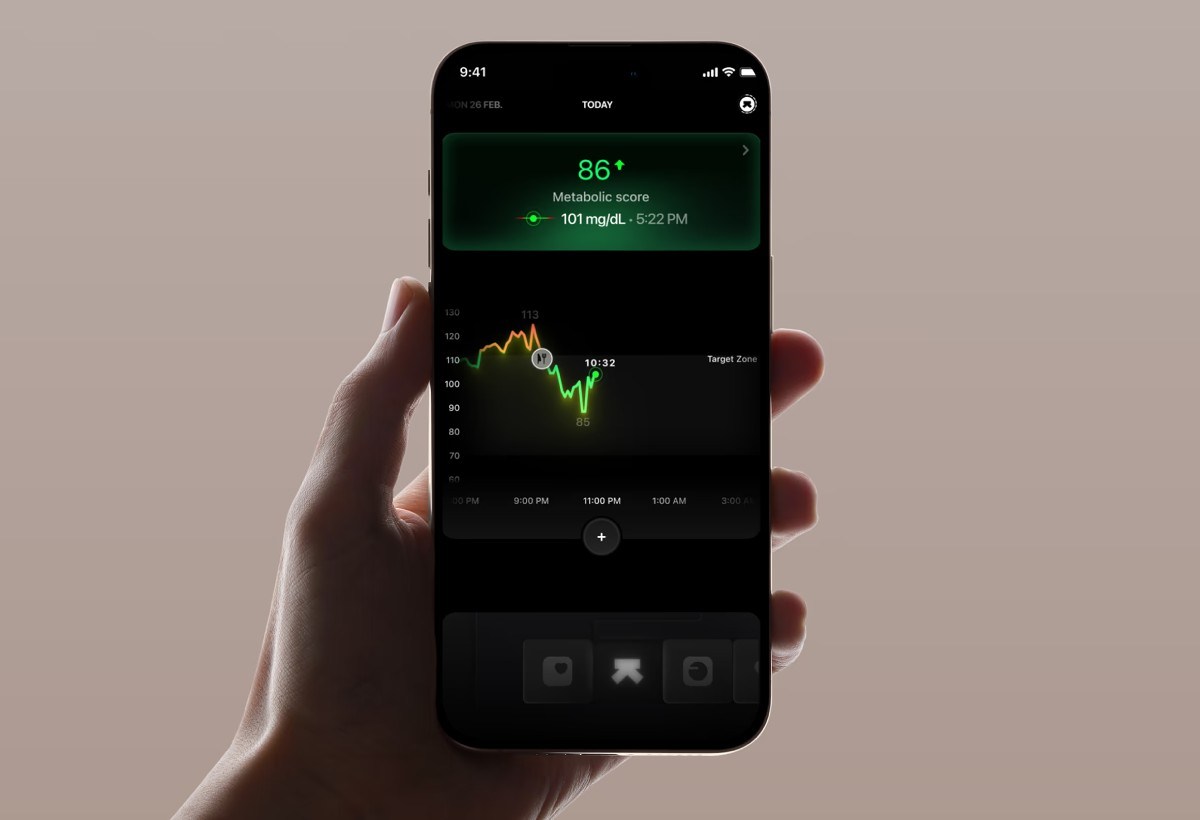
Ultrahuman is best known for its smart rings, but the company recently launched a red light therapy device. Today, the company is introducing the Ultrahuman M2 Live, a platform for continuous glucose monitoring.
It is actually based on Abbott’s Lingo glucose biosensor. It is available over-the-counter and does not require a prescription. The M2 can also work with Abbott’s Libre 3 Plus sensor. The Lingo sensor streams data to your phone over Bluetooth LE, although you’ll need NFC to activate it.
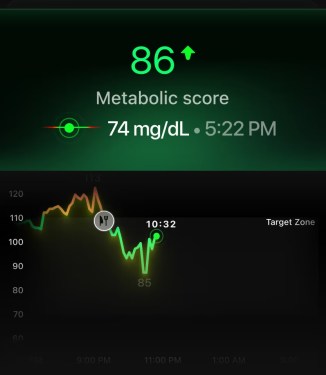
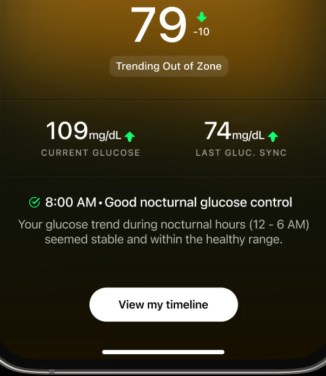
Continuous Glucose Monitoring • Metabolic Score


It’s important to note that while the Ultrahuman M2 Live is a one-time purchase, each sensor lasts for approximately 14 days and is not reusable. And note that Abbott has its own app that can connect to this sensor.
So, what exactly does the Ultrahuman M2 Live do? It gives you access to the M2 Live app that tracks your glucose levels and calculates metabolic scores. It is a proprietary algorithm and is a clinically validated marker of insulin sensitivity and glucose metabolism. There is a scientific report about it on Nature.
The M2 Live is part of Ultrahuman’s platform, so it can also integrate readings from smart ring sensors. This allows Z AI biointelligence to correlate glucose patterns with sleep, HRV, activity, recovery, and skin temperature readings.
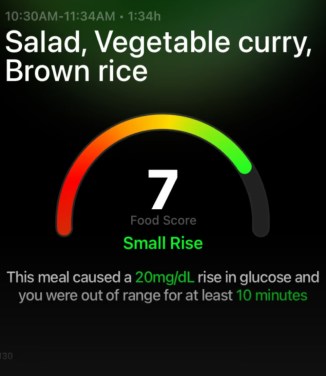
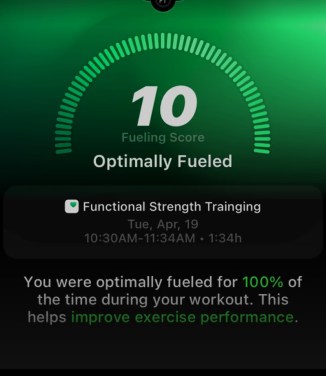
Food Score • Fuel Score


The M2 is targeted at people with metabolic disorders: type 2 diabetes, obesity, PCOS/PMOS, hypertension and others. It may also help you lose weight by guiding you to better portion control.
It keeps track of what you eat throughout the day and how it affects your glucose levels. Once it learns how your body reacts to different foods, it will give them a score from 1 to 10. UltraHuman is a community of users who share their experiences – what works for them and what doesn’t – with an AI metabolic coach.

You can find more information about the UltraHuman M2 Live at ultrahuman.com. You can get it as a one-time purchase for $130 (with one sensor) or as a subscription for $100 per month (this includes two sensors per month).