



Low-cost carrier SalamAir has temporarily suspended flights to several destinations in the Middle East as aviation disruptions continue in the region. The decision comes amid security concerns over widespread airspace closures and rising geopolitical tensions, which have forced airlines to cancel or divert thousands of flights.The airline confirmed that flights to Iraq, Lebanon and Iran have been suspended until March 28, 2026, while services to Kuwait City, Sharjah, Doha and Dammam have been halted until March 20, 2026 due to existing airspace restrictions. The move reflects the growing impact of regional instability on global aviation, with airlines across the Gulf adjusting operations to protect passengers and crew.
Airspace closure causes massive flight disruptions amid Iran vs US-Israel war
The suspension comes as Middle Eastern airspace faces unprecedented disruption following escalating tensions between Iran, Israel and the United States. Many countries have temporarily restricted or closed their airspace, forcing airlines to suspend flights or take longer routes to avoid potential conflict areas.At the height of the crisis, thousands of flights were canceled or delayed across the region, leaving passengers stranded and major aviation hubs across the Gulf disrupted. Airlines operating in the region must constantly monitor safety developments and air traffic advisories before resuming flights, making schedule adjustments a daily necessity.
SalamAir adjusts network between Iran vs. US-Israel to protect passengers
As Oman’s fast-growing budget airline, SalamAir connects Muscat to dozens of destinations in the Middle East, Asia and Europe. The current suspension represents a significant operational adjustment for the carrier. According to the airline’s advice, the suspension is temporary and motivated primarily by safety considerations related to airspace restrictions.

Tension in Middle East airspace forces SalamAir to suspend key routes
The airline has urged passengers to check their booking status online and stay updated on travel advice, warning that schedules are subject to change depending on regional developments. Passengers affected by the cancellation have been offered options including flight rescheduling, refunds or alternative travel arrangements.All affected passengers will be contacted directly and provided with alternative travel options. SalamAir has advised passengers not to head to the airport until they receive confirmation information. Those requiring assistance can contact the airline’s 24/7 customer support team at +968 2427 2222 or by email at customercare@salamair.com.
Aviation industry under pressure between Iran vs America-Israel

SalamAir’s decision is part of wider aviation disruption across the Middle East. Airlines including Oman Air, Qatar Airways and Emirates have also been forced to cancel flights, divert planes or limit flights during the crisis. Industry analysts say the Middle East’s position as a global aviation crossroads makes the region particularly sensitive to geopolitical tensions.Flights connecting Asia, Europe and Africa often pass through the Gulf air corridors, meaning disruption could immediately impact international travel around the world. As a result, airlines must constantly evaluate safety risks, fuel costs, and operational feasibility when adjusting routes. The flight suspension has affected thousands of passengers, especially expatriates and tourists who depend on Gulf hubs for international travel.Airports across the region have experienced delays, cancellations and crowded terminals as airlines work to reorganize flight schedules. In some cases, passengers have been rerouted through alternate hubs to reach operational airports or even transported by road between cities.
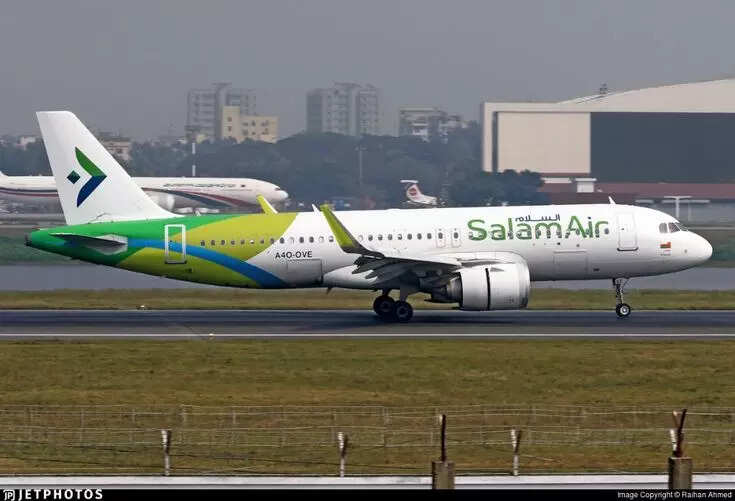
Flight chaos continues: SalamAir halts services to many destinations
Travel experts advise travelers:
- Check flight status before leaving for the airport.
- Monitor airline advisories and government travel alerts.
- Allow extra time for travel due to the possibility of route changes.
With conditions changing rapidly, flexibility has become essential for anyone traveling in the region. Despite the disruptions, aviation officials and airlines remain optimistic that flight operations will gradually return to normal once the security situation stabilizes. Some airlines have cautiously started resuming services on select routes while carrying out strict security checks. However, experts warn that a full recovery may take time if regional tensions persist.For now, the suspension of flights by SalamAir highlights how geopolitical events can rapidly reshape global aviation networks. In a region where air travel is essential for trade, tourism and millions of migrant workers, stability in the skies remains a key priority.