





In a major academic shift arising from the ongoing geopolitical tensions between Iran vs US-Israel war, the Central Board of Secondary Education (CBSE) has launched a revised assessment scheme for Class 10 students across the Middle East, fundamentally changing how thousands of students will be assessed this year. The move comes after unprecedented cancellation of board exams in major Gulf countries, leaving students, parents and schools grappling with uncertainty, but now, with clarity emerging, the focus has shifted from exams to assessment and its implications are significant.
Why did CBSE change the rules for these? united arab emirates, saudi arabia, Queueoman, Kuwait, bahrain and iran
The revised plan follows the complete cancellation of the remaining Class 10 board exams in countries including the UAE, Saudi Arabia, Qatar, Oman, Kuwait, Bahrain and Iran due to the worsening regional security situation amid the US-Israel war. What started as a temporary postponement in early March soon turned into complete cancellation, as tensions related to the Iran versus US-Israel conflict made it unsafe to hold the exams.The decision has affected over 50,000 students from over 150 CBSE-affiliated schools in the region, making it one of the biggest disruptions in foreign CBSE examinations in recent history. Since exams are no longer an option, CBSE had to take immediate action to ensure that the academic future of students is not derailed.
How the new CBSE evaluation scheme works
The revised assessment model of CBSE is designed to fairly evaluate students on the basis of their actual performance in the examinations already conducted, rather than an average calculated for the missed papers.This is how it works:
- Students who appeared in all the examinations – Their results will be completely based on their performance in those papers.
- Students who appeared in the examination of 4 subjects – The marks for the remaining subjects will be calculated using the average of their best three subjects.
- Students who appeared in the examination of 3 subjects – The remaining subjects will be marked on the basis of the average of their best two subjects.
- Those students who appeared in the examination of only 2 subjects – Their remaining marks will be calculated from the average of those two papers.
The purpose of this structured formula is to maintain objectivity while adopting incomplete examination data. Apart from exam performance, internal assessment marks submitted by schools will play an important role in the final results. This includes periodic tests, pre-board examinations and projects and coursework. These components, which were often ignored in normal years, now hold immense importance and have effectively become important determinants of the final score.

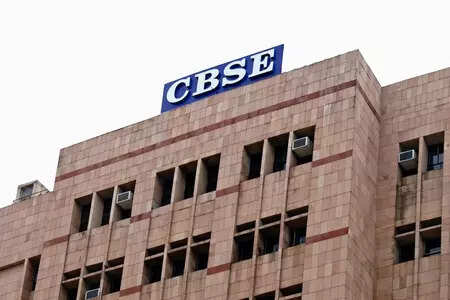
Middle East exams cancelled: Here’s how CBSE will calculate marks now
The most notable aspect of the new scheme is that no special re-examination will be conducted beyond the existing framework of CBSE. However, students will still have the opportunity to appear for a second board exam and improve their scores under the standard CBSE policy. This ensures that although the current results will be considered final, students will not be deprived of improving their performance.
CBSE results will be declared with global group
CBSE has confirmed that students from the Middle East will receive their results along with all other candidates globally, ensuring parity and avoiding delays in higher education applications. This is especially important for:
- college admission in india
- Applying for International Universities
- Competitive Examinations and Admission Process
In a year full of disruption, maintaining consistency in deadlines is a great relief.
The Iran vs. US-Israel crisis that reshaped education in the Middle East


This policy change cannot be viewed in isolation. It is part of a wider crisis that has disrupted education across the Gulf. In recent weeks:
- Exams postponed again and again
- Schools shifted to distance learning
- Entire exam cycles canceled
The rapid escalation of conflict in the region forced authorities to prioritize student safety over academic programs, a decision echoed across many education boards. What makes this situation unique is that it is not a pandemic or natural disaster but a geopolitical conflict that is directly affecting educational systems. For students, the sudden shift from exam halls to algorithm-based assessment has been emotionally complex. Many had prepared for months, had already given exams in some key subjects and were expecting the traditional marking system. Now, their results depend partly on averaging formulas and internal assessments, raising concerns about fairness and transparency.Additionally, there is relief from the stress of exams ahead, less pressure in an already stressful environment and greater focus on safety. This dual reality of relief mixed with uncertainty defines the student experience this year. The revised assessment scheme is more than just a temporary fix, it represents a structural shift in the way educational systems respond to crises. For decades, board exams were considered non-negotiable. This decision proves that they can be changed if needed. School-based assessment has moved from secondary to central importance. Education systems are being forced to adapt quickly to unexpected global events. The current scheme is similar to the COVID-19 assessment model, where CBSE relied on internal assessments and past performance to calculate results.

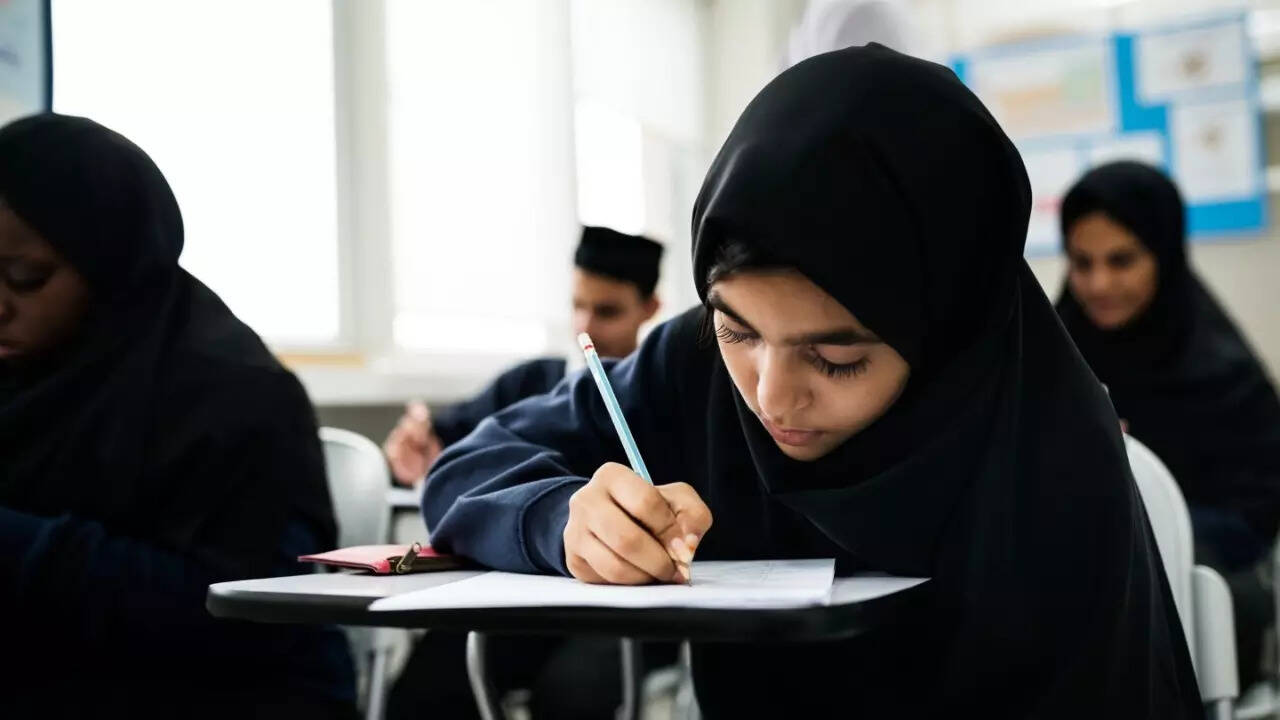
Impact of Iran vs US-Israel war: CBSE cancels exams, starts new assessment in Gulf
However, the context is very different because then, it was a global health crisis whereas now, it is a regional geopolitical conflict. This makes the current situation even more unpredictable, with safety concerns and not health driving decisions.
What should CBSE students in the Middle East do now
With clarity on assessment, students are being advised to stay in touch with their schools, ensure that internal assessment records are accurate, prepare for improvement examinations if necessary and focus on the next academic steps (admissions, entrance exams). Now instead of focusing on what was lost, the emphasis is on moving forward.CBSE’s revised assessment scheme for Class 10 students in the Middle East marks a watershed moment in modern education policy, with examinations canceled, assessments restructured and academic timelines preserved. In a region facing unprecedented volatility, the Board has attempted to strike a balance between fairness, flexibility and student welfare. However, the bigger point is that education systems are no longer running in isolation. They are deeply influenced by global events and must evolve as rapidly as the world around them.