



Bought a phone on EMI? Miss a payment and RBI can lock it from a distance: story in 5 digits
The Reserve Bank of India (RBI) is considering a rule that will allow banks to lock the mobile phone purchased on EMI from a distance if the borrowers have to pay.
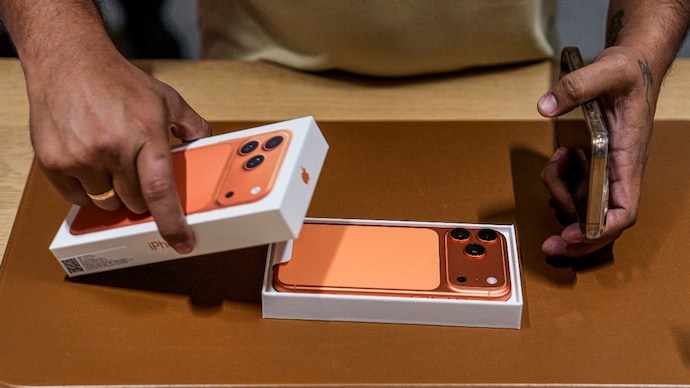

India is one of the largest smartphone markets in the world. The country is second in terms of shipment volume and in fact, about 15.5 percent after China is responsible for global shipment. People here are buying smartphones in all price segments, many people are getting their hand on the latest gadget by paying through EMI. Companies also offer big discounts on these schemes. However, this has also increased poor loans. Now, the Reserve Bank of India (RBI) is considering a new rule that can allow lenders to lock the mobile phones purchased on credit if the borrowers recall their EMI payment.
According to Reuters, the new structure aims to reduce poor loans in the rapidly growing consumer finance sector, where millions of Indians buy gadgets and electronics on small-ticket loans. If applied, guidelines may change the loan for consumer electronics in India, increasing expectations for lenders and concerns for lenders. Here is the story in five points:
Point 1: What is RBI proposal?
According to Reuters, RBI is considering updating its fair practice code in the coming months. If updated, the new structure will allow lenders including banks and non-banking finance companies to use a remote locking facility on mobile phones purchased through loan. This would mean that lenders can lock the device if a borrower misses a scheduled EMI payment.
The RBI is allegedly studying the operations, legal and moral consequences of the proposal and underlining how it can be implemented.
Point 2: The reason behind the new policy
In its core, the new RBI structure is designed to address the increasing number of non-performing assets in the consumer loan section. India’s consumer loan market has expanded rapidly in recent years, but the lapse has also increased, especially on small ticket loan less than Rs 1 lakh.
The analysis of 2024 by Home Credit Finance highlighted a sharp increase in EMI-operated electronics sales, which are particularly weak for missing payments. With more than one -third of electronics purchases in India, now the EMI is being on EMI, the purpose of the new policy is to provide a device to ensure repayment to lenders, while they are to encourage borrowers to lend to borrowers with weak credit history.
Point 3: How will RBI apply framework?
RBI is expected to amend its Fair Practice Code and issue new instructions on how the technical phone-locking process should work. For the privacy of the lenders and the protection of data, the RBI is expected to make it mandatory for lenders to obtain prior consent from customers before enabling the locking option. Importantly, banks and finance companies will not be allowed to access any individual data on the phone.
Point 4: When can the rules apply?
The RBI had earlier asked lenders to stop using phone-locking apps in 2024 after complaints about misuse. However, after fresh consultation with lenders, the Central Bank is now preparing to resume the feature, this time with strict security measures.

The updated guidelines are expected to roll out in the coming months, although the RBI has not yet made any official announcement.
Point 5: Who will be affected?
If the RBI proceeds with the policy, it will affect millions of Indians who rely on EMI to buy mobile phones and other electronic devices. India currently has more than 1.16 billion mobile connections, in which users are dependent on smartphones for work, education and financial access.
It is now said that this policy is benefiting lenders along with large consumer loan portfolio. However, consumer advocacy groups are voicing strong opposition. Critics argue that locking the phone for non-payment can be wrongly punished for borrowers who depend on them for jobs, education and digital services. Critics have also warned that such a step can deepen digital division, which can affect low -income borrowers.