



The FIFA World Cup 2026 is just a few weeks away, but behind the scale of the 48-team tournament spanning three countries is a quiet issue that has nothing to do with football. For the first time in decades, a large number of participating nations are going to the World Cup knowing that some of their earnings may be lost to taxes.At the heart of the issue is the fact that, while FIFA itself retains tax-exempt status in the United States, a status it has held since the 1994 World Cup, it has not been able to secure the same blanket exemption for the 48 participating national associations. That difference, combined with the structure of US tax law and the uneven network of international tax treaties, means that the financial impact will not be shared equally. It is already clear that more than half of the region, especially non-European countries, may face significantly higher costs.
Why is this World Cup different from previous editions?
In past tournaments, host governments have generally granted tax exemptions to all participating teams. The most recent example is the 2022 World Cup in Qatar, where all 32 national associations were allowed to operate without paying local taxes on their tournament earnings. This time this has not happened in the United States. FIFA was unable to negotiate a blanket waiver with the US government, The Guardian reported. As a result, national associations will now be subject to a mix of federal, state and city taxes on income generated during tournaments.
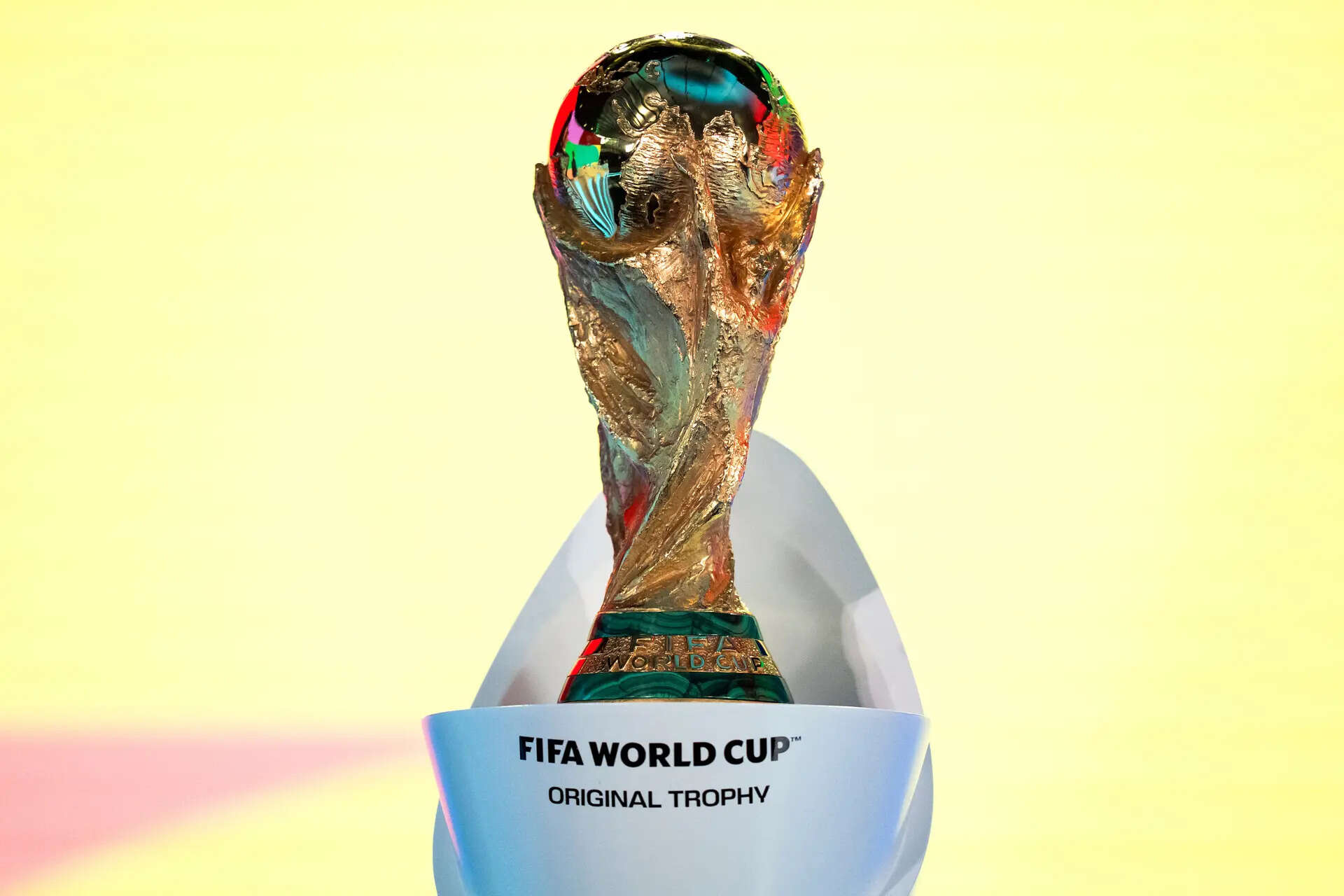
The FIFA World Cup trophy will be on display during the FIFA World Cup 2026 playoff draw on Thursday, November 20, 2025 in Zurich, Switzerland. (Claudio Thoma/Keystone via AP)
Under US law, athletes and artists are required to pay taxes on earnings made while working in the country. This principle applies directly to footballers participating in the World Cup. Backroom staff and coaches fall into a slightly different category depending on tax treaties, but they are still part of the broader financial equation.
Treaty divides, why some countries are protected and others are not
The biggest dividing line runs through something called a double taxation agreement or DTA. These are bilateral treaties between countries that prevent individuals or organizations from being taxed twice on the same income. Of the 48 teams in the 2026 World Cup, only 18 come from countries that have a DTA with the United States. Those agreements largely involve co-hosts Canada and Mexico, as well as European countries and a few others like Australia, Egypt, Morocco and South Africa. For those countries, the burden is significantly reduced because their delegations are exempt from some federal taxes. For the remaining 30 countries, many of which are from small football economies, there is no such protection. This imbalance is at the heart of the issue. As tax consultant Oriana Morrison, who has advised both the Portuguese and Brazilian federations, said in comments reported by The Guardian: Teams from countries with tax treaties “will have much lower costs than smaller countries like Curaçao and Haiti.” Countries like Curaçao and Cape Verde, both of which are making their World Cup debuts, may have larger tax liabilities than wealthier European nations like England, France or Germany because of where they are located.
How is the tax actually applied, and who pays what?
Breaking down the details becomes more complicated, as players in the United States are always taxed on income earned there, regardless of any tax treaties. This means that match fees, bonuses and tournament-related commercial earnings all fall under the US tax system. Coaches and staff may be treated differently depending on treaty coverage. For example, Thomas Tuchel, who manages England, would usually only pay tax in the United Kingdom due to treaty protection. In contrast, Carlo Ancelotti, currently leading Brazil, may face taxation in both Brazil and the US as Brazil does not have a DTA with the United States.
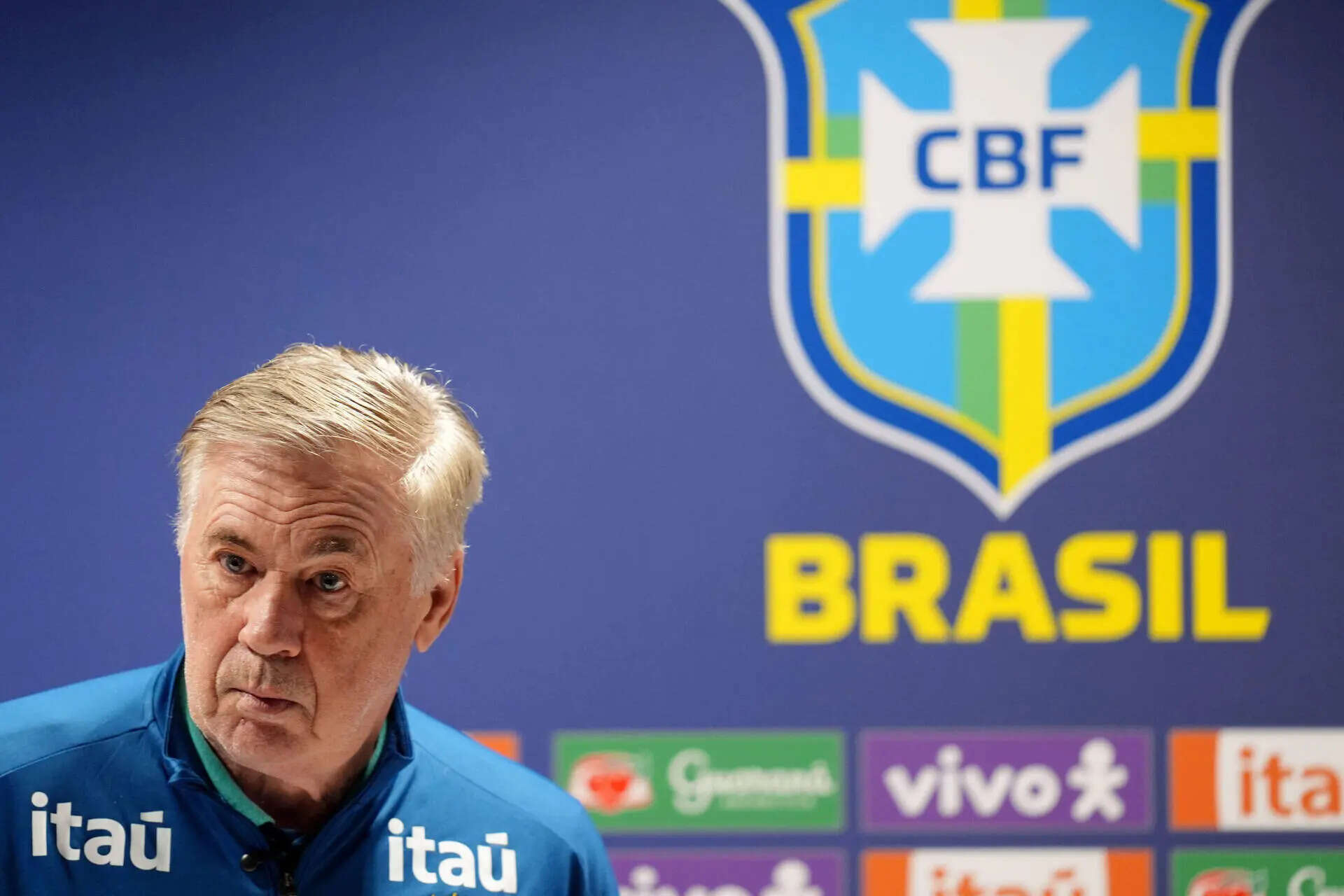
Brazil manager Carlo Ancelotti during a press conference at the Emirates Stadium, London, on Friday, November 14, 2025. (John Walton/PA via AP)
For high earners, numbers matter. The US federal income tax rate for the top bracket is about 37%, while the corporate tax is about 21%. Furthermore, state-level taxes vary widely depending on where the matches are played. For example, Florida has no state income tax, while New Jersey, which will host the finals at MetLife Stadium, could reach 10.75%, and California, where Los Angeles and San Francisco host the games, could reach 13.3%. Those variations mean the exact tax bill for each team will depend not only on their earnings, but also on where their matches are scheduled.
Cost pressure is not just taxes, it is the entire financial model
Even without the tax issue, many federations were already concerned about the cost. FIFA has set a fixed operating budget of $1.5 million per team for the tournament. That budget includes a per diem for each delegation member, which has been reduced from $850 to $600 for the 2022 World Cup. This decrease comes despite significantly higher travel, accommodation and logistics costs in the United States than in Qatar. When this is combined with potential tax liabilities, margins become tight, especially for smaller organizations. As Morrison said, the impact is not just accounting. For smaller associations, participation in the World Cup may represent a financial windfall that supports domestic football development. Losing a portion of that income to taxes changes the economic meaning of the tournament. “It’s going to cost most non-European countries a lot of money to go to the World Cup,” he said, adding that the money that could support local soccer “is going to stay in the US.”

Geography adds another layer of complexity
The tournament is spread across three countries, but the United States will host the majority of the matches, 78 of the 104, including every game through the quarterfinals. This matters because both Canada and Mexico provide full tax exemptions to participating teams. Any matches played in those countries will have a light financial burden. However, once teams progress to the subsequent knockout rounds, they will inevitably play in the US, where the tax risk increases.
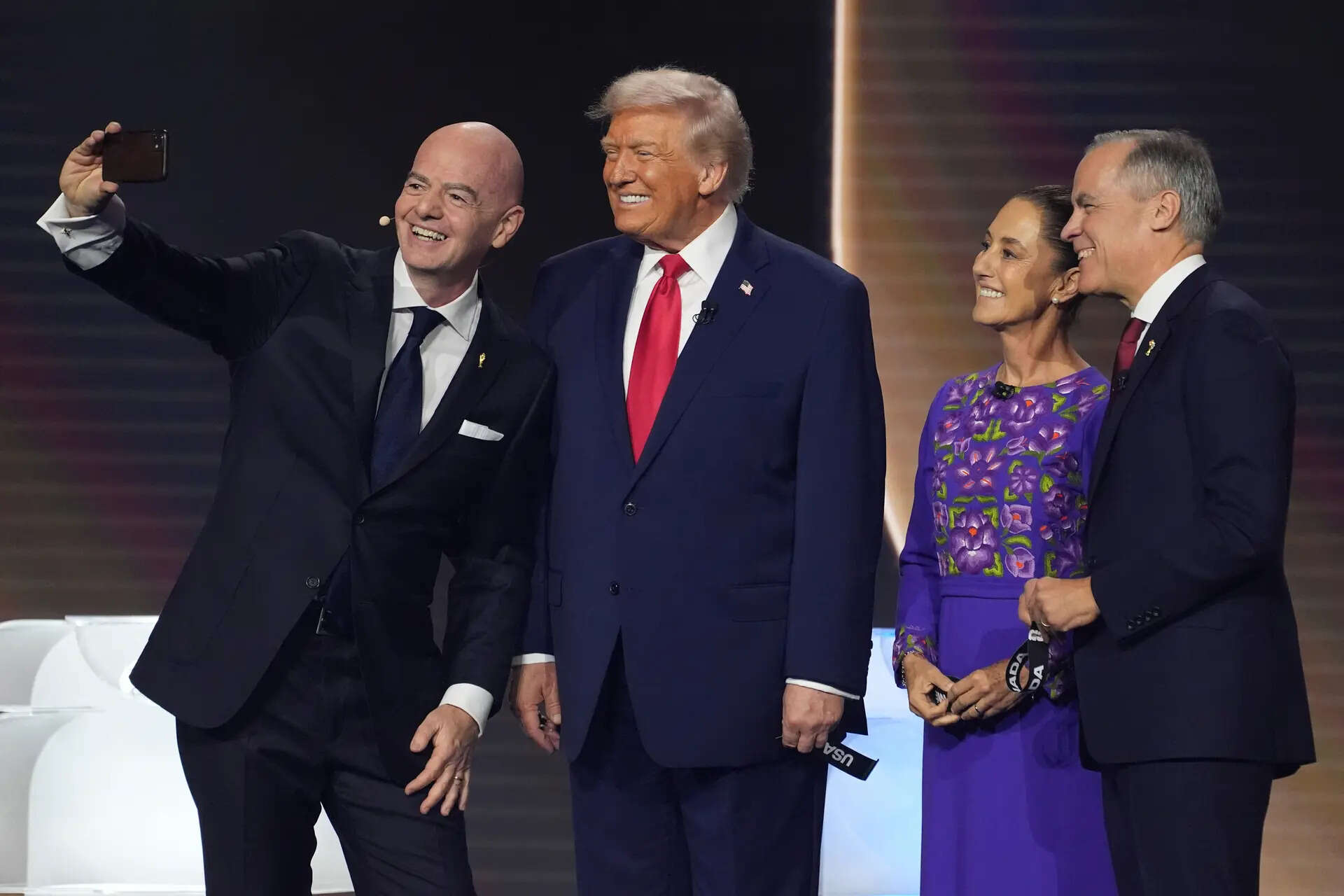
FIFA President Gianni Infantino takes a selfie with President Donald Trump, Mexican President Claudia Sheinbaum and Canadian Prime Minister Mark Carney during the draw for the 2026 soccer World Cup at the Kennedy Center in Washington, Friday, Dec. 5, 2025. (AP Photo/Ivan Vucci)
This uneven geography creates a situation where two teams in the same tournament can face very different financial outcomes, depending on where their matches are held and how much progress they are making.
FIFA’s response, what else could change
FIFA has not publicly detailed the full solution, but sources indicate the governing body is working with national associations to manage the tax implications and provide guidance. There is movement on the revenue side also. Reports in late April suggest that FIFA has agreed in principle to increase prize money and participation fees for the 2026 tournament, with final approval expected at the FIFA Council meeting in Vancouver. That adjustment is seen as a response to concerns first raised at the beginning of the year that teams could lose money despite participating in the sport’s biggest event.
big picture
On paper, the expansion to 48 teams was meant to make the World Cup more inclusive. Financially, this has introduced a layer of inequality that depends less on performance and more on tax treaties and geography. For wealthy European countries with established agreements, the impact is manageable. For smaller countries without those protections, the difference could be substantial, enough to turn a scarce fiscal stimulus into a more complicated calculation.