





Another case of Sitaram review: Vijay Raghavendra is a slow anchor
The Second Case of Seetharam Movie Review: The Vijay Raghavendra-starrer sequel offers a slow-paced investigation with strong psychological elements but faces challenges.

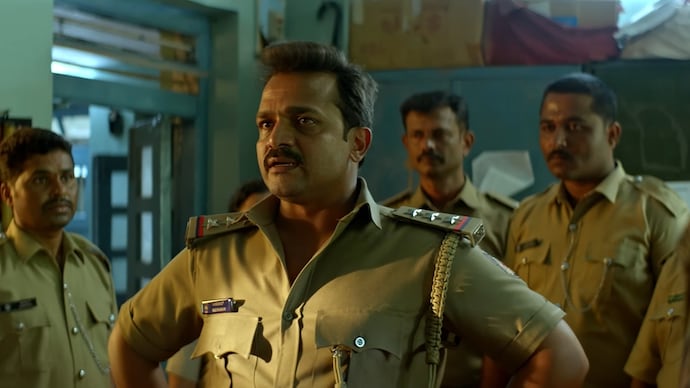


Looks like Kannada actor Vijay Raghavendra is interested in playing a cop in a crime thriller after a good reception. Seetharam Benoy Case No. 18 And Kondana case. Now, he is coming up with two crime thrillers – web series – in a single day Demon And in the second installment -Sitaram Benoy franchise, Sitaram Benoy’s second case – It is clear that he is steadily carving a niche for himself in the genre of Kannada cinema. But does this sequel live up to expectations? What works, and what doesn’t? Let’s find out.
❮❯
After his work in the first case and then his duty, Sitaram Benoy (Vijay Raghavendra) is now a respected officer at Anegudda station. Once again, just when it seems peace has been established, two similar and disturbing murders occur. The post mortem report reveals that it is the work of a psychopath with antisocial personality disorder.
Parallelly, the madness of Sebastian (Gopalkrishna Deshpande) is exposed. He seeks out Sitaram for help, but the officer later realizes that Sebastian is mentally unstable. His actions are such that the murders and their nature point towards him, which may lead to his arrest. On the other hand, Sitaram’s sister, from whom he was separated at a young age because his father disowned him after falling in love, also shifts to Anegudda. Narrating the case, Seetharam mentioned that this is where it all started.
So what does his sister have to do with the murders? Is Sebastian really the one behind all the serial murders? If not him then who is to blame? Will Sita Ram be able to solve this case? A slow-paced screenplay that tackles the case interestingly, with a few weak moments but mostly an engaging story, forms the plot of the film.
![Second Case of Seetharam Trailer [Kannada] | Vijay Raghavendra | Pavan Wadeyar | Devi Prasad Shetty](https://i.ytimg.com/vi/t7fvUNU7lnk/hqdefault.jpg)
Deviprasad Shetty, who previously directed Seetharam Benoy Case No. 18 And Kondana caseReturns with a similar structural approach. The film is slow throughout – testing your patience at times – but also has a timely payoff. One of the strongest aspects of the writing is its depiction of the inner turmoil of a troubled man. There are two particular scenes that explore this psychological conflict, and both are effectively written, choreographed and executed; The most impressive parts of the film.
The screenplay mirrors the first installment in many ways. Once again, an old crime becomes a turning point in the current investigation, making the narrative structure feel familiar. While this continuity works to an extent, it also makes the storytelling predictable.
A bigger issue is how ignorance becomes a tool to further the story. The answers often seem correct, yet investigation takes longer than expected. At one point, Seetharam comments, “We’re still running around the crime scene; we still haven’t checked the victim’s house,” – something that should ideally be one of the first steps in an investigation.
It feels like moments like these have been inserted solely to delay the climax, and in doing so, they diminish the impact of an otherwise well-written affair. More importantly, they affect the hero’s perceived competence. If this is a character whose purpose is to anchor a franchise, his image matters. It should feel like he is actively solving the case, not ignoring basic details and realizing them as an afterthought.


On the performance front, Vijay Raghavendra does a commendable job. He brings an introverted gravitas to the role, which makes Sitaram feel more grounded and relatable. Plus, Vijay’s natural charm adds a certain kind of warmth that makes the cop instantly likable. Gopalkrishna Deshpande is once again impressive in his brief but impactful role. Despite limited screen time he makes his presence felt.
The rest of the cast consists largely of unfamiliar faces. However, the treatment and staging ensure that the spotlight does not rest too heavily on individual performances. The technical departments – through the framing, background score and overall presentation – effectively compensate, ensuring that the performances blend seamlessly into the narrative without any distractions.
The technical departments have pulled their weight and lifted the film considerably. The shaky, gimbal-held cinematography creates a sense of immersion, making the audience feel like a third person in the investigation – almost like one of the constables present at the scene. Also, whenever there are still frames, they are thoughtfully composed to align with the mood and progression of the story.
Music plays an important role in keeping the story interesting. While there are moments where it feels a little overused, in the important parts it works brilliantly, effectively ramping up the tension and emotional beats. However, the editing could have been tighter. A cleaner cut would have shortened the runtime and made the overall experience more concise and impactful.
overall, Sitaram Benoy’s second case It’s a good watch, especially for those who enjoy slow-paced crime thrillers. It offers a layered investigation, psychological tension and a constantly unraveling mystery that keeps you invested. The mood, performances and technical strength work in its favour, giving the film an entertaining atmosphere.
Although there are some hiccups in the pacing and some lengthy investigative beats, the payoff and emotional undercurrents make it worth the time. For fans of the genre, it offers enough intrigue and intensity to remain engaging until the end.