





Across the planet, lakes are commonly associated with glaciers, rivers, volcanic activity or changing tectonic landscapes. A very small group owes its existence to something much less in common. At various points in Earth’s history, large objects from space have struck the surface with enough force to excavate huge craters, some of which later filled with water. The evidence is not always clear. Many impact marks have been weathered, buried under sediment, or changed over time due to geological processes.Only a limited number of confirmed impact structures still contain permanent lakes. These water-filled craters appear in environments ranging from arctic wilderness to tropical forests and high mountain plateaus. In addition to their unusual origins, they provide scientists with valuable records of climate history, impact geology, and planetary processes. Many have become landmarks in their own right, attracting the attention of visitors, researchers and satellite observers.See the list of meteor impact lakes, according to WorldAtlas.
Meteorite impact lakes: Earth’s rarest natural wonder
1. Manicouagan LakeCanada

PC: WorldAtlas
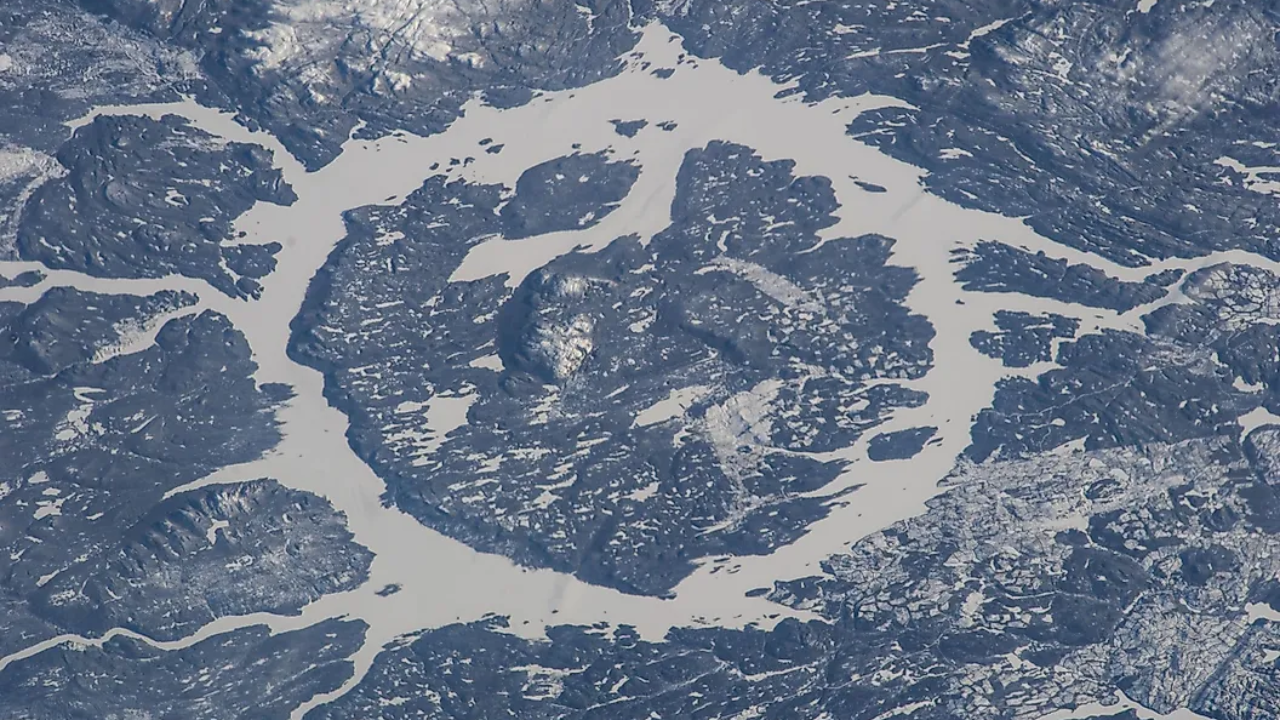
Viewed from orbit, Lake Manicouagan is one of the most recognizable impact features on Earth. Located in Quebec, the massive circular lake resembles a giant ring set into the landscape, earning it the nickname “The Eye of Quebec”. This structure originated from an asteroid impact approximately 214 million years ago. Scientists estimate that the incoming body has been measured at a distance of about five kilometers. The impact left a massive crater, which was later modified by geological processes and eventually incorporated into a modern hydroelectric reservoir.In the center is René-Levasseur Island, which was formed by the rebound of the Earth’s crust shortly after the collision. This central uplift remains one of the defining characteristics of the structure. Manicouagan, which extends for about 100 kilometres, has attracted scientific interest due to both its scale and age, which provide clues about conditions during the late Triassic period.
2. Bosomtwe Lake, Ghana
PC: WorldAtlas
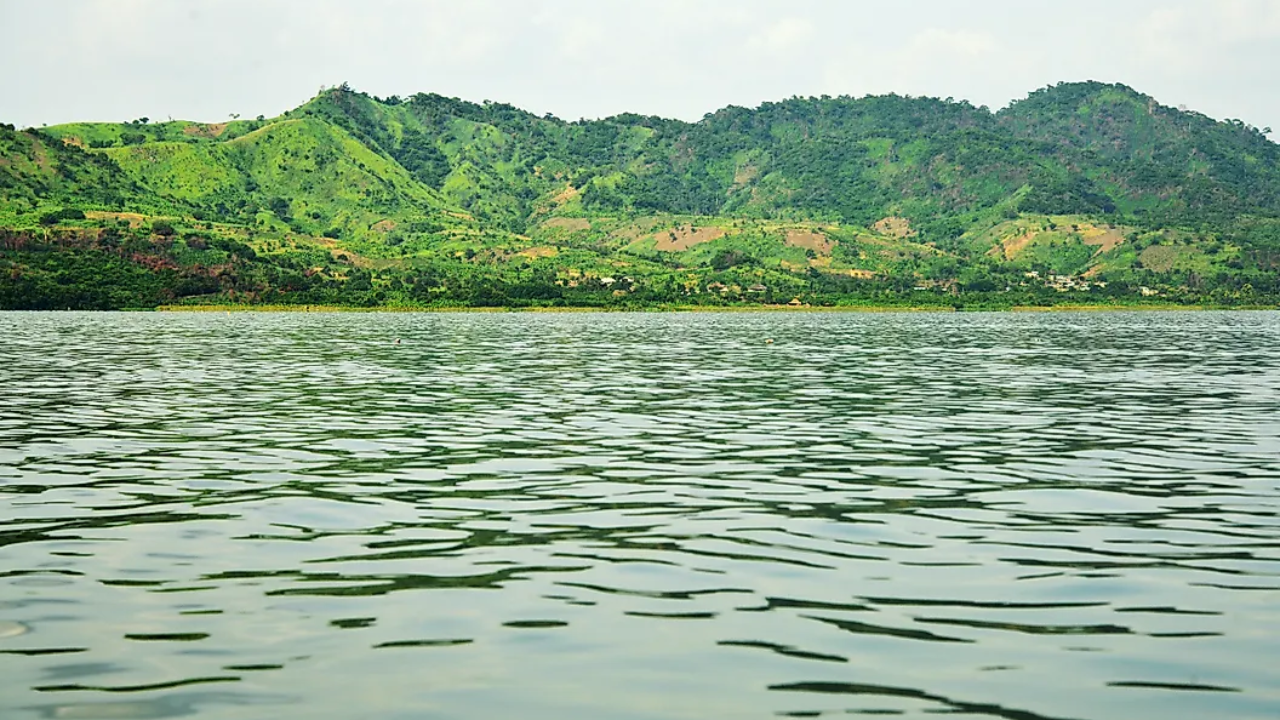
Located within the Ashanti Region of Ghana, Lake Bosomtwe lies in an almost perfectly circular basin formed by an impact approximately one million years ago. The lake is relatively modest in size compared to some of the world’s larger crater lakes, although its geological importance is substantial. Forested slopes cover much of the shoreline, while villages scattered around the basin depend on the lake for local livelihoods. Fishing remains an important activity, and the lake holds a respected place in regional traditions and cultural practices.For climate scientists, Bosomtwe serves another purpose. Layers of sediment on the lake bed have been deposited slowly over a long period of time, preserving evidence of past environmental conditions. By studying these deposits, researchers have reconstructed rainfall patterns and changes in regional climate across large parts of West Africa.
3. tashkent lake, tajikistan
PC: WorldAtlas
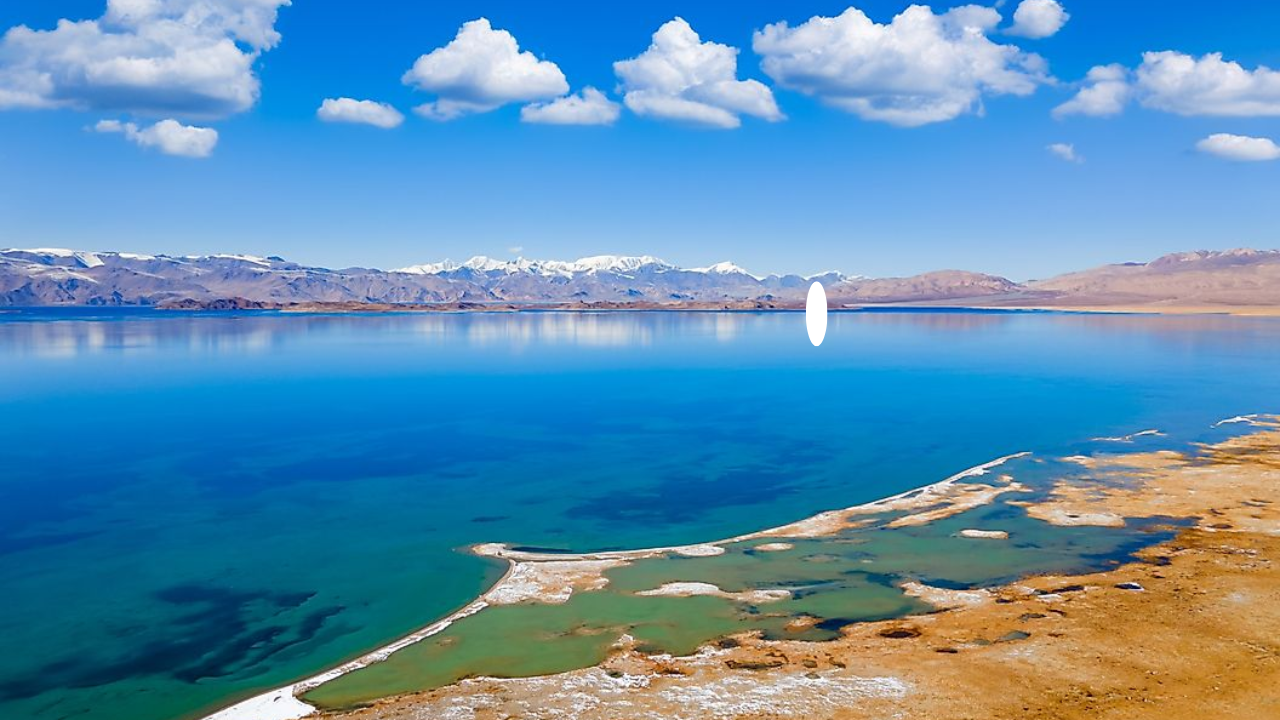
High on the roof of Central Asia, Karakul Lake is located in a remote location within the Pamir Mountains. At first glance, the surrounding peaks so completely dominate the landscape that the impact structure may be difficult to discern from ground level. The lake is located within a crater which is believed to have formed about 20 million years ago. The impact basin extended far beyond the present shoreline, making it one of the largest known impact structures associated with the lake. Its extraterrestrial origin was confirmed relatively late, with the help of satellite imagery revealing features difficult to identify from the surface.Its height adds another layer of exclusivity. At approximately 4,000 meters above sea level, Karakul is one of the highest major crater lakes on Earth. The sparse vegetation, cool climate and isolated surroundings give this area a distinct appearance unlike many other impact sites.
4. Lonar Lake, India
PC: WorldAtlas
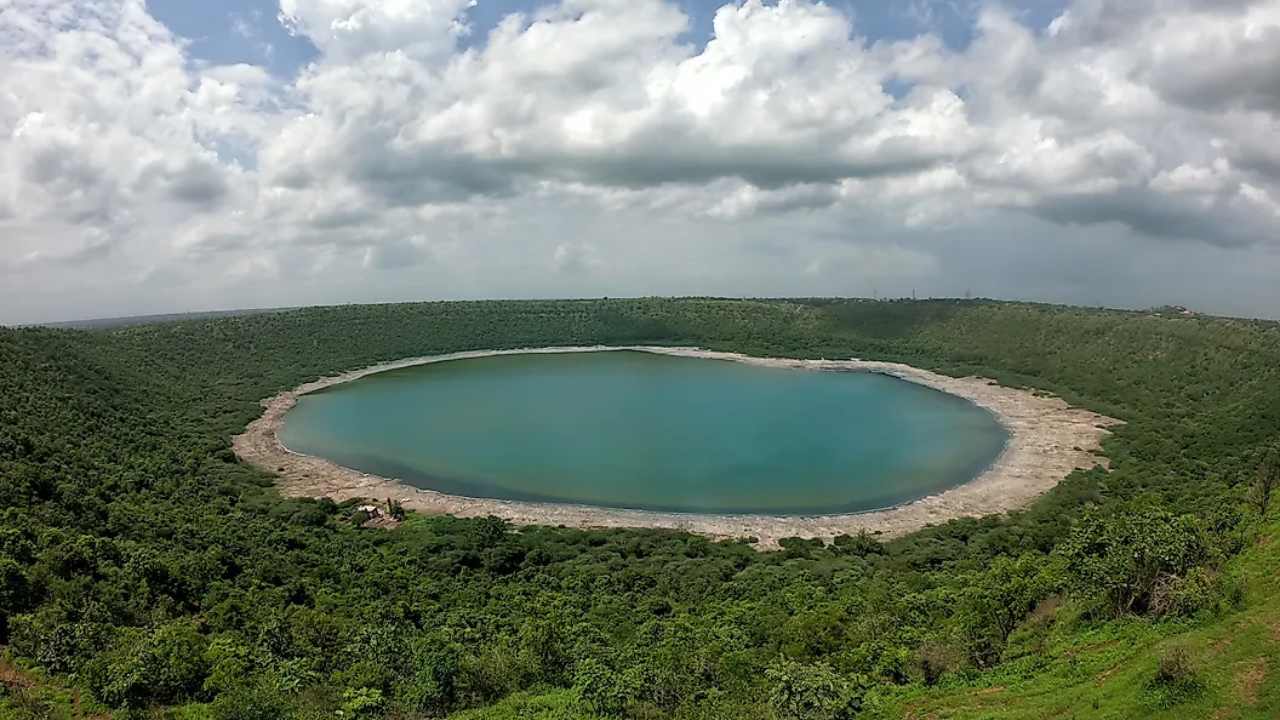
One of the world’s most unusual impact lakes is located in the Deccan Plateau of Maharashtra. Lonar has a clearly defined crater carved into basaltic volcanic rock, a geological setting that has made the site particularly valuable to researchers. For many years, there was uncertainty about the origin of the crater. Because it was formed within a volcanic field, some people believed it was associated with volcanic activity. Later investigation revealed that the basin was formed by a meteorite impact, possibly 50,000 to 500,000 years ago.The chemistry of the lake sets it apart. Its water is both alkaline and saline, creating conditions that support specialized microbial life. Scientists have often compared aspects of Lonar’s geology to the environments found on the Moon and Mars. Around the rim, historic temples and steep crater walls contribute to a landscape where natural and cultural histories intersect.
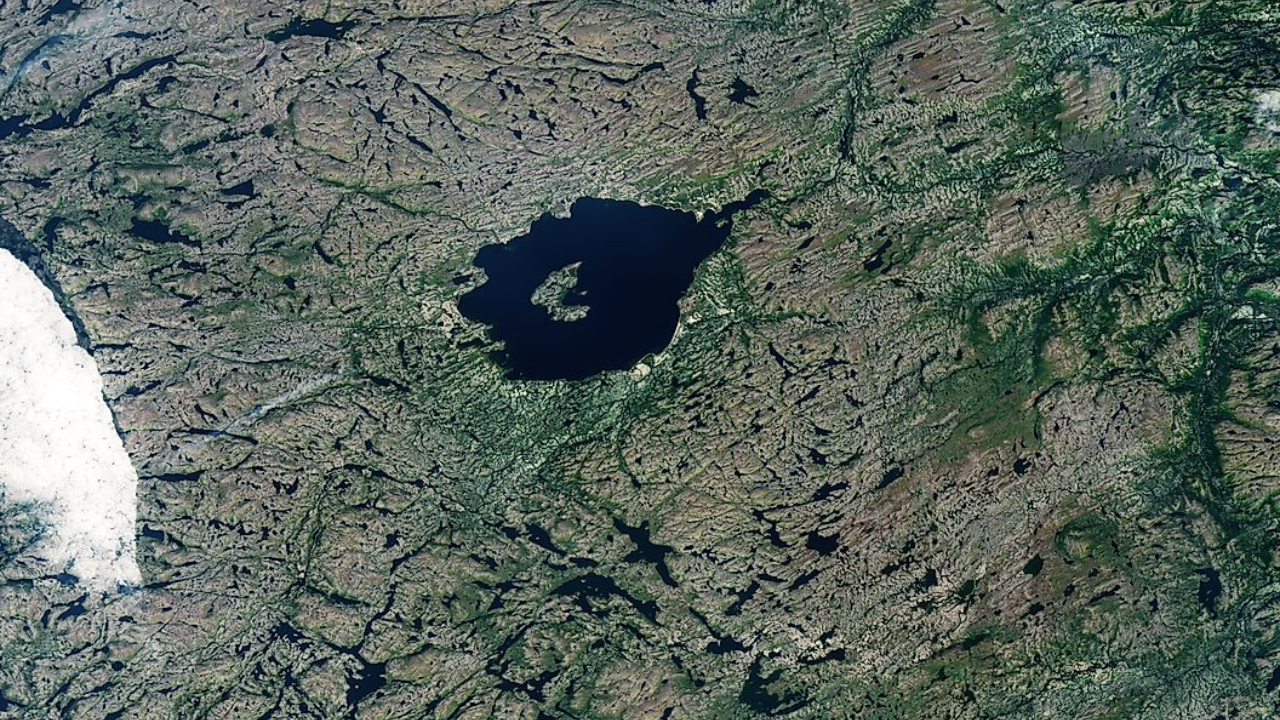
5. Mistastin Lake, Canada
PC: WorldAtlas
Mistastin Lake is located in the rugged interior of Newfoundland and Labrador. The surrounding terrain bears the marks of both ancient impact forces and recent glacial activity, creating a landscape shaped by many chapters of geological history. The original crater was formed about 36 million years ago and is about 28 kilometers wide. Although erosion has modified the structure over time, several impact-related features remain recognizable, including parts of the rim and the central uplift.Interest in mistastin extends beyond the Earth sciences. Some of the rocks formed during the impact contain glass-like material that resembles samples collected from the Moon’s surface. This connection has led space agencies, including NASA, to use the area for astronaut training exercises designed to prepare crews for planetary exploration.


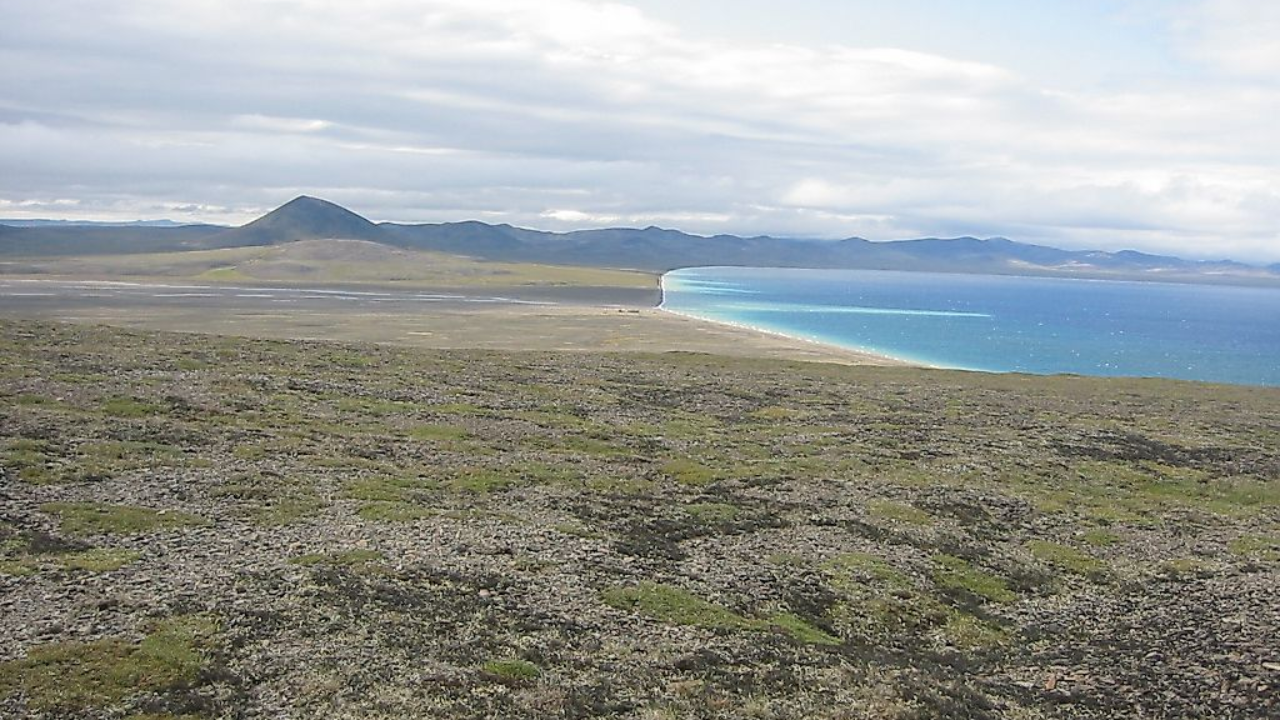
6. Elgygytgin Lake, Russia
PC: WorldAtlas
Far from major settlements in northeastern Siberia, Lake Elgytygin is located on an impact crater that has survived in remarkably good condition. This structure was formed about 3.6 million years ago and is clearly visible as a circular basin surrounded by high terrain. Its isolation has helped to preserve the site. Unlike many northern landscapes, the crater escaped extensive glacial erosion, leaving both the basin and its sedimentary record largely intact.What lies beneath the water has attracted international attention. Thick layers of sediment accumulated over millions of years provide one of the most complete climate records available from the Arctic. By drilling into these deposits, scientists have reconstructed ancient environmental conditions and gained information about long-term climate changes throughout the Northern Hemisphere.
7. clear water lakesCanada
PC: WorldAtlas
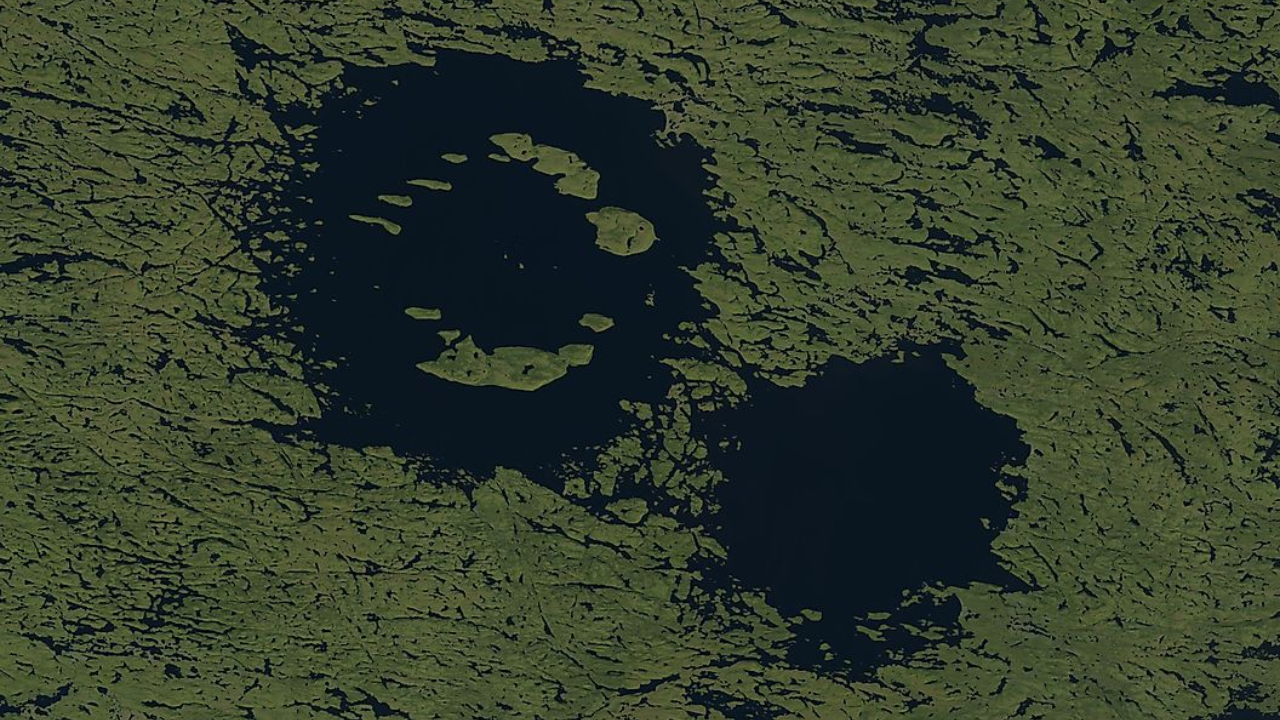
One of the most unusual examples among Earth’s impact lakes exists in northern Quebec. This system, known collectively as the Lakes, consists of two neighboring circular basins that appear closely related when viewed from above. For decades, the prevailing interpretation suggested a simultaneous dual effect. Later dating methods produced a different story. Evidence indicates that the eastern and western craters formed at different times, more than 100 million years apart.Each crater has a submerged central uplift created by the overturning of crustal material shortly after the impact. Their rounded outlines remain surprisingly visible despite their great age. Because both structures are so well preserved, they provide valuable opportunities to examine how impact craters evolve over hundreds of millions of years while remaining recognizable features in the landscape.
The science behind meteor impact lakes
PC: WorldAtlas
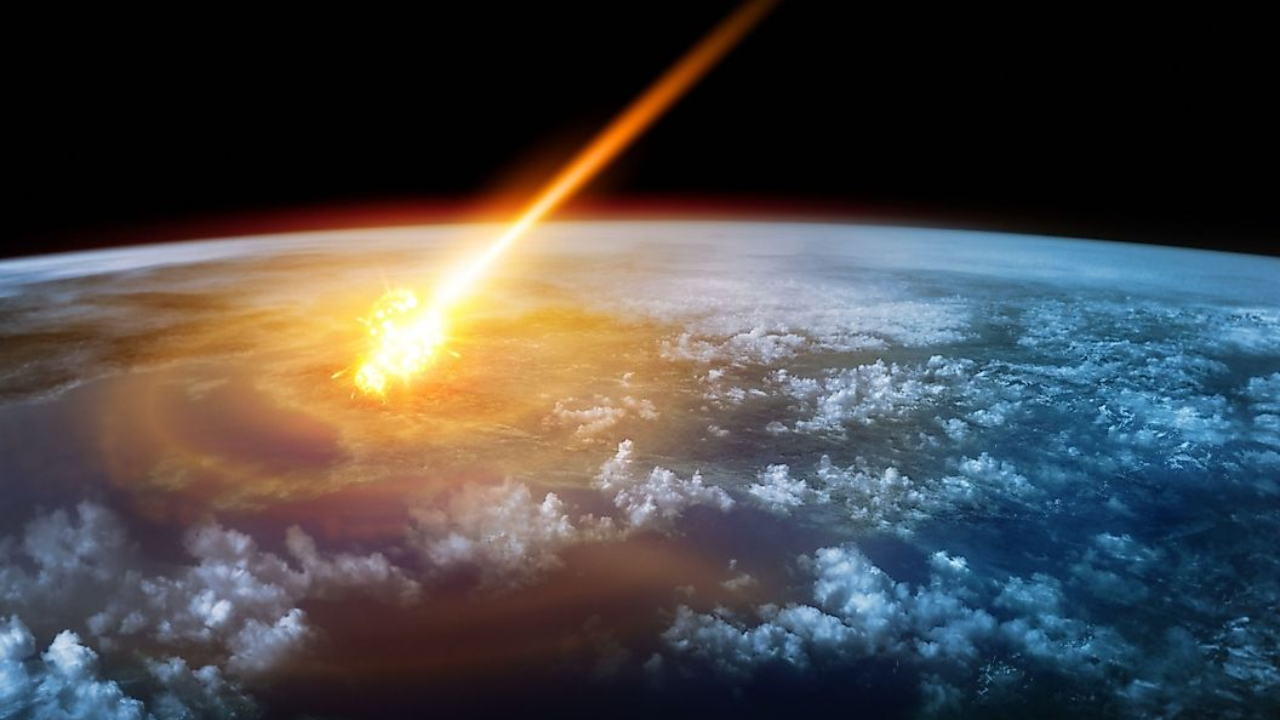
The formation of Impact Lake begins with a violent event that ends almost as quickly as it begins. A meteor traveling at extreme speed enters the atmosphere and, if it survives the trip, hits the ground. The energy released during impact is very high. Rock can melt, shatter, or be thrown great distances in a matter of seconds.The impact leaves behind a crater whose size depends on factors such as impact velocity, meteorite size, and local geology. Some develop raised edges, central elevations or ring-like structures. What happens next is a very slow process. Rainfall, groundwater and surface runoff slowly collect within the depression. Over thousands or millions of years, a lake may emerge. Many impact structures never survive long enough to become lakes. Erosion can erode them, glaciers can reshape them, and tectonic activity can distort them beyond recognition. As a result, crater lakes remain relatively uncommon, and there is still debate as to how many examples may remain undiscovered or only partially identified.