





There is no single reason why a country becomes the coldest country on Earth. In some cases, the explanation lies in geography, with vast areas extending towards the Arctic. Elsewhere, vast mountain ranges keep temperatures low despite their distance from the polar regions. Annual temperature averages often reveal a different picture than that experienced by travelers during a short trip. A country can enjoy hot summers and still be among the coldest countries because it is winter for most of the year. Based on average temperature data, these ten countries record the coldest climates anywhere in the world, each shaped by its own landscape, altitude and location.Check out the list of the world’s coldest countries in 2026, according to World Population Review.
Top 10 coldest countries in the world in 2026 based on annual temperature

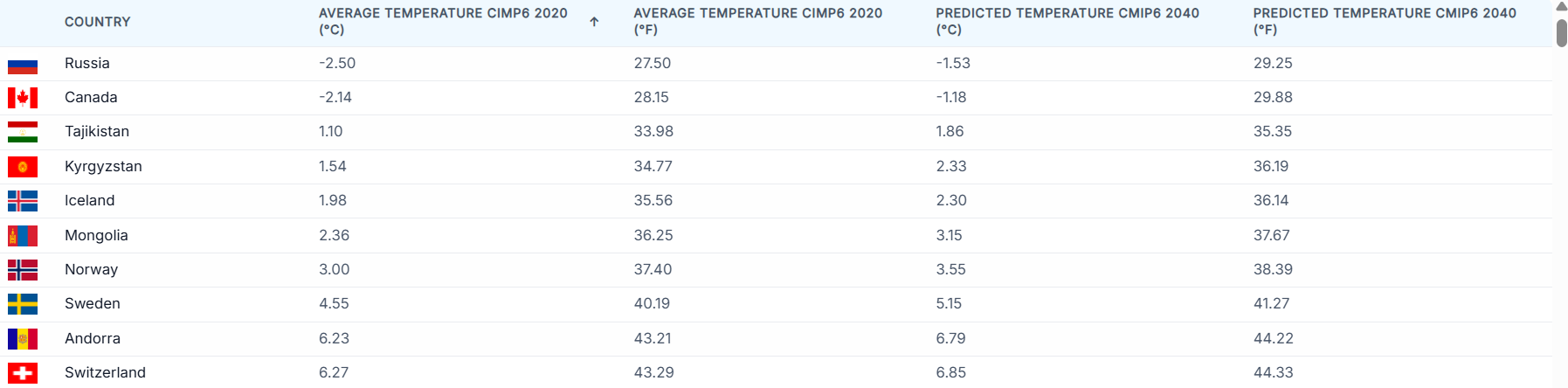
Source: World Population Review
Source: World Population Review
Ranking of the world’s coldest countries in 2026
1. Russia

PC: Wikipedia
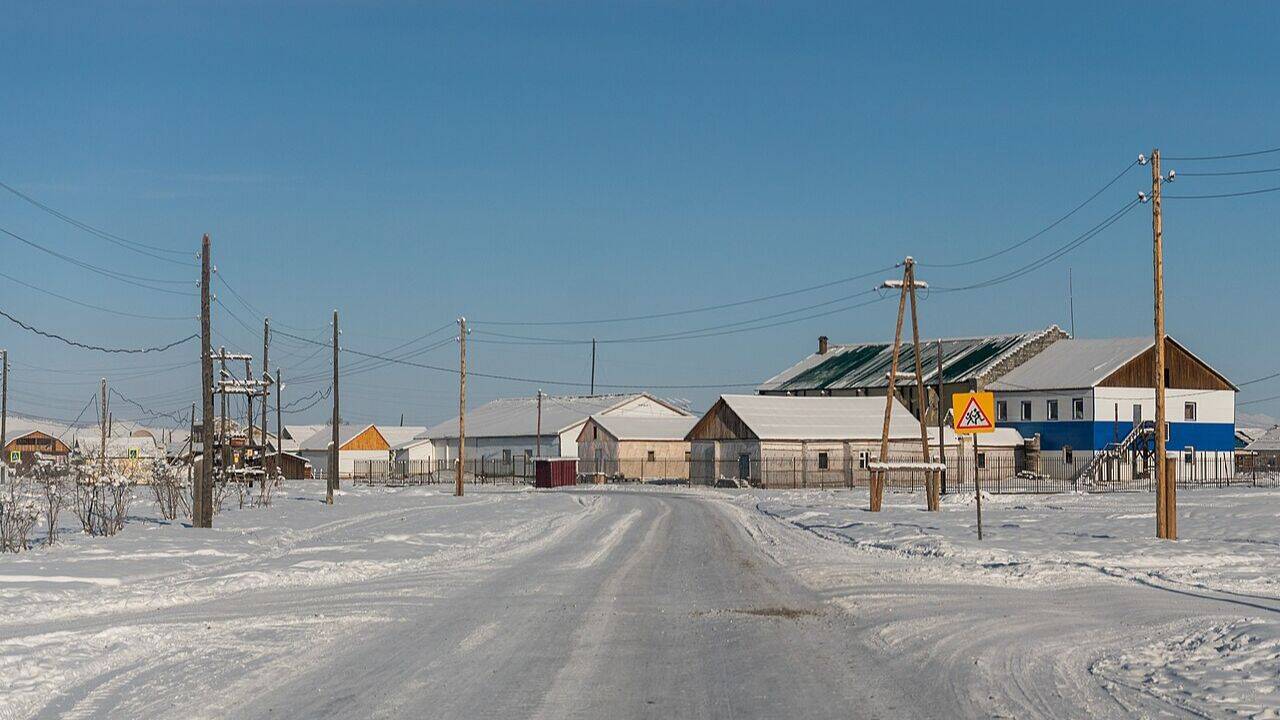
Average temperature: -2.50°CRussia occupies more land than any other country, and much of that area is located in areas where winter dominates. Frozen ground, snow-covered forests and prolonged darkness are common features of the cold months across the vast expanses of Siberia.The size of the country means that climatic conditions vary considerably, yet large northern and inland areas remain cold enough to drag the national average below zero. The long winter has a greater impact than the relatively mild summers experienced in some western areas.2. Canada
PC: Wikipedia
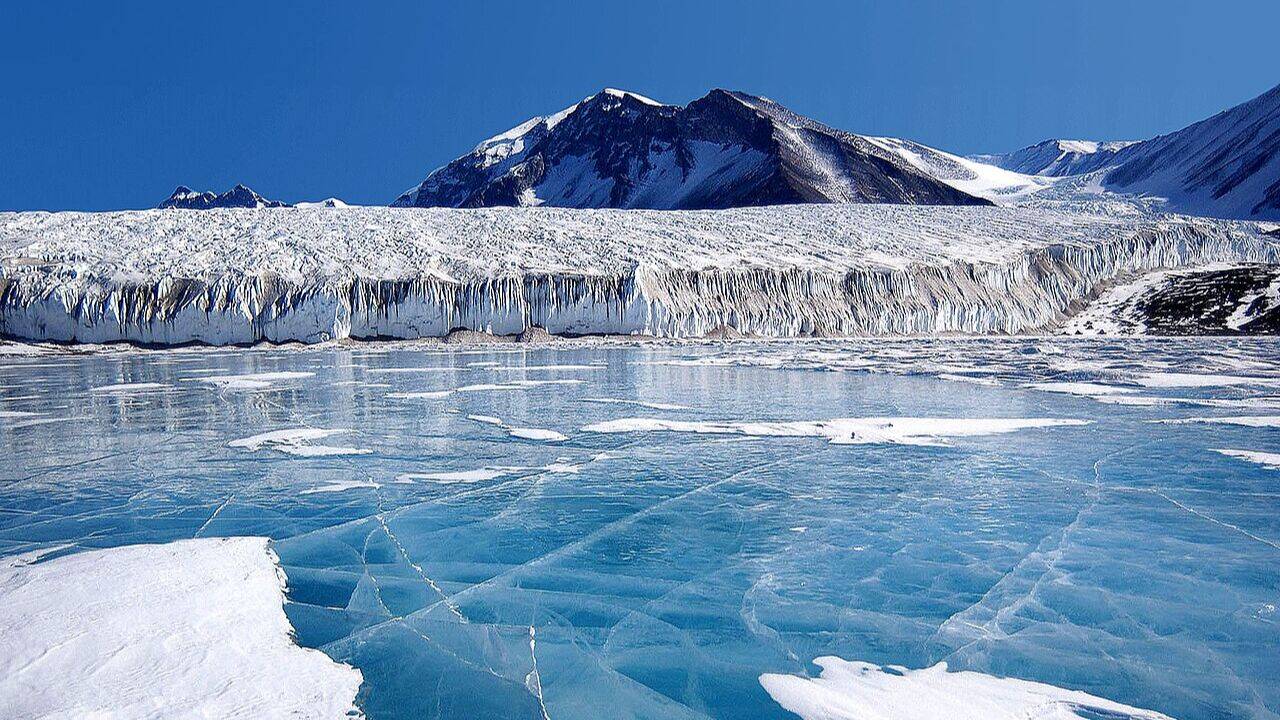
Average temperature: -2.14°CCanada’s location near the Arctic helps explain its place near the top of this ranking. Large areas of the country experience long winters that come early and last until spring. Snowfall is common across much of the landscape.While major cities along the southern border often enjoy warmer conditions than the far north, the country’s vast northern regions remain cold year-round. These extensive frozen areas have a huge impact on Canada’s overall temperature averages.3. Tajikistan
PC: Wikipedia
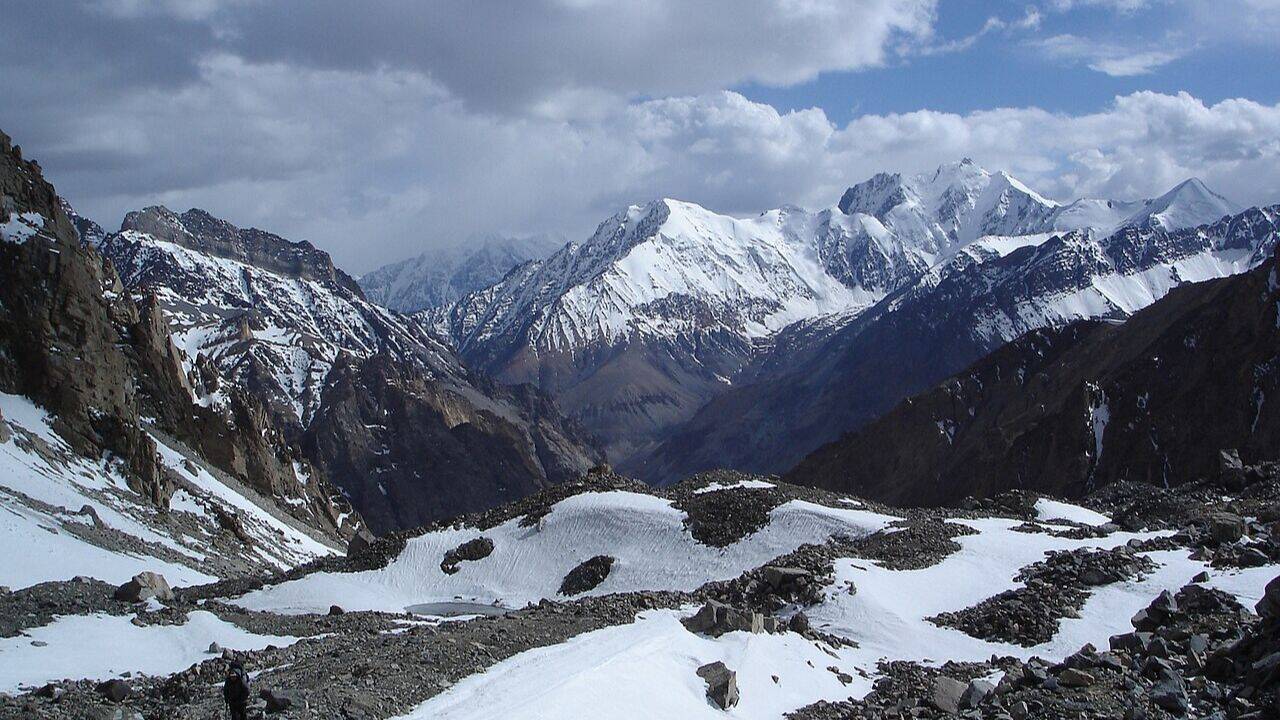
Average temperature: 1.10°CMountains write the story of Tajikistan’s climate. Much of the country rises sharply above sea level, making conditions significantly cooler than surrounding low-lying areas. High peaks and steep valleys dominate the landscape.Even during the hot season, many places have relatively mild temperatures due to their altitude. The country’s rugged terrain has a greater impact on annual temperatures than its location in Central Asia.4. Kyrgyzstan
PC: Wikipedia
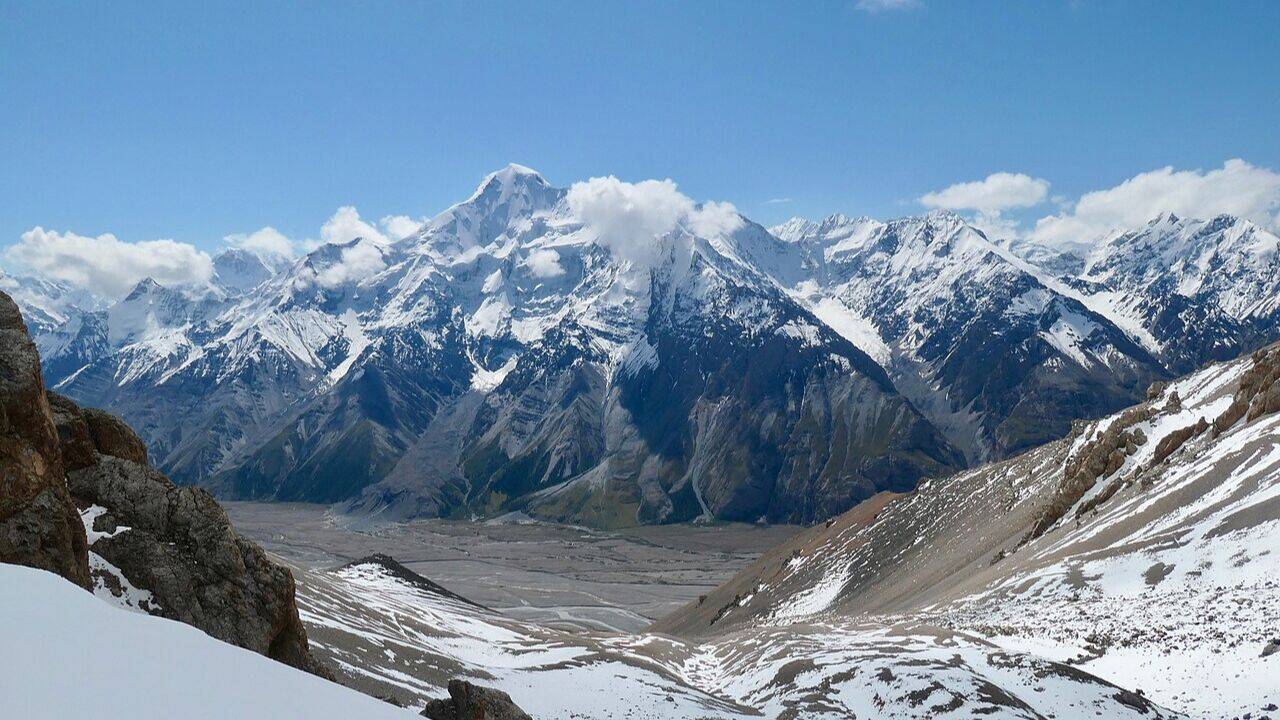
Average temperature: 1.54°CKyrgyzstan shares many climatic similarities with its mountainous neighbors. Snow-capped mountains cover much of the country, shaping weather patterns and limiting seasonal warmth in many areas.Life at high altitude often revolves around a climate that is cool for most of the year. Although the lower valleys can be hot during summer, the extensive mountainous terrain keeps the national average among the lowest in the world.5. Iceland
PC: Wikipedia
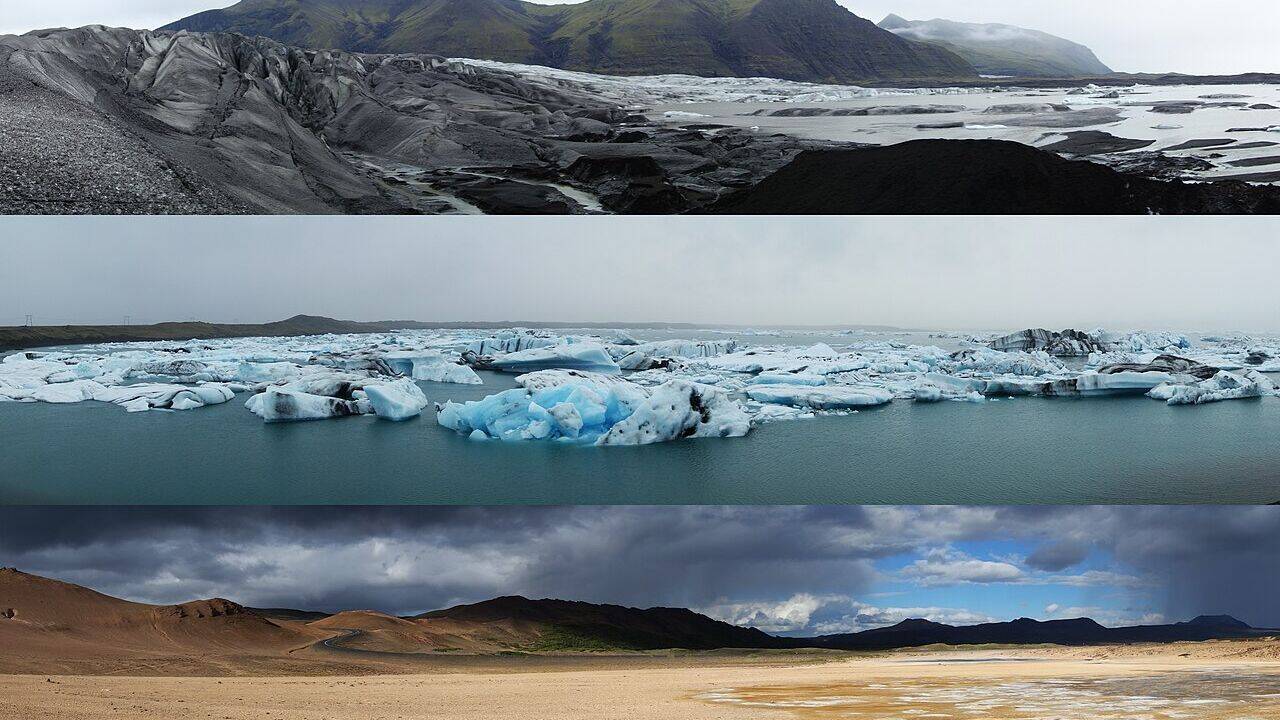
Average temperature: 1.98°CDespite being close to the Arctic, Iceland is not as cold as many people think. The surrounding ocean moderates temperature extremes, keeping conditions from being as severe as in the interiors of some continents.Nevertheless, heat is rarely a defining feature of the Icelandic climate. Cool summers, regular winds and extensive glaciated landscapes contribute to annual temperature averages that keep the country comfortably in this ranking.6. Mongolia
PC: Wikipedia


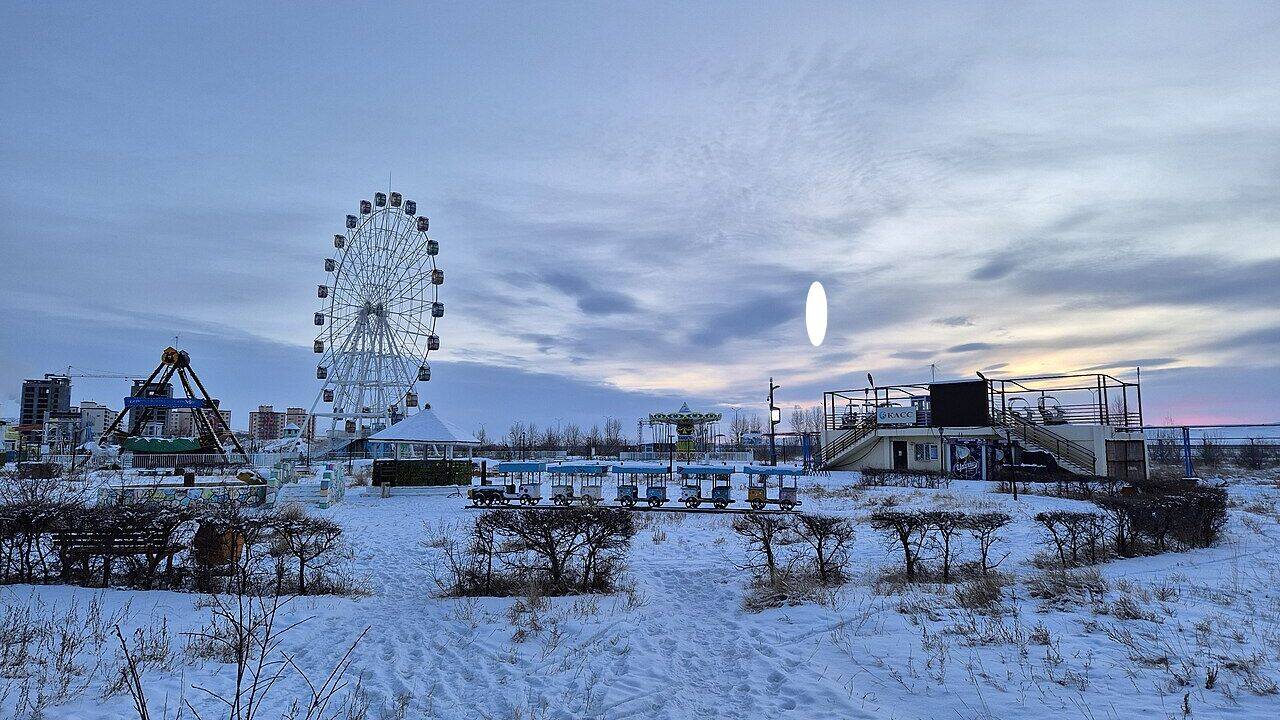
Average temperature: 2.36°CMongolia’s climate is full of sharp contrasts between the seasons. Its landlocked location means there is little to no maritime influence, with little variation in temperature throughout the year.Winters can be particularly severe in the country’s open grasslands and high plateaus. Cold air moves freely across these vast landscapes, creating conditions that persist long enough to keep annual averages relatively low.7. Norway
PC: Wikipedia
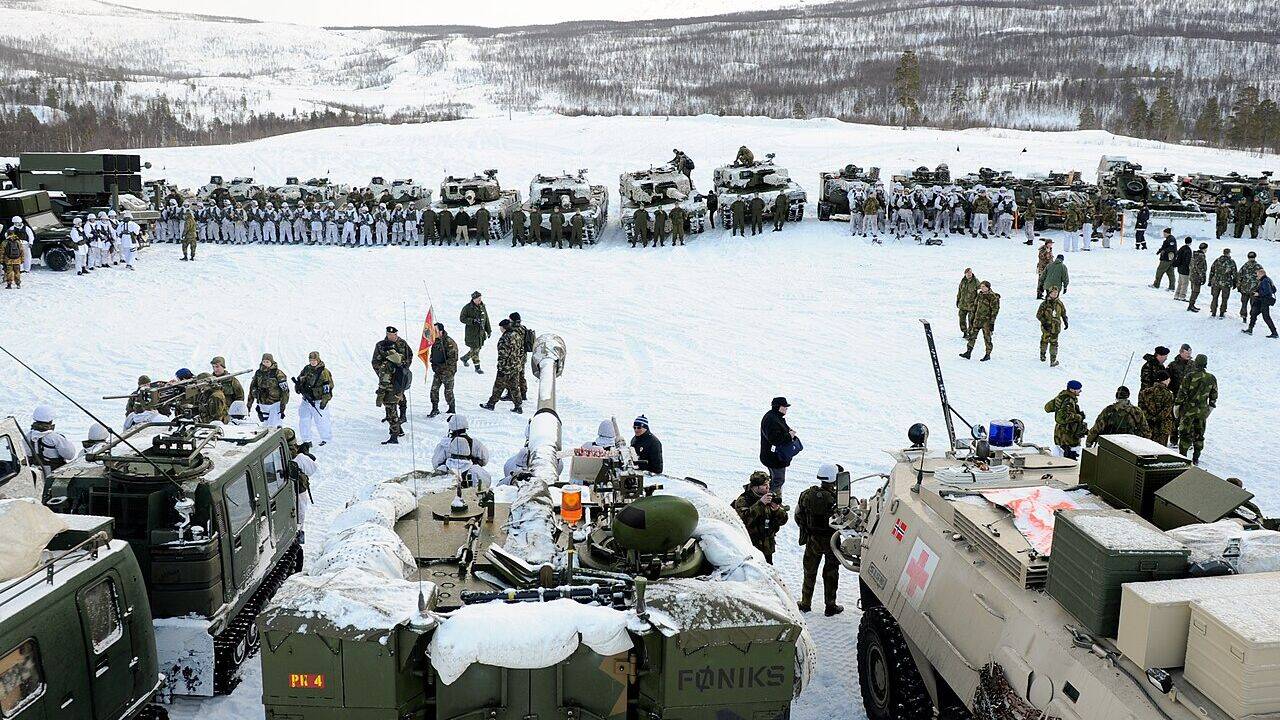
Average temperature: 3.00°CNorway combines rugged mountains, deep plains and high northern latitudes. These geographical features create a climate that varies significantly from region to region, although cold weather remains a familiar part of life in much of the country.The coast benefits from the influence of the ocean which moderates winter extremes. However, inland and northern districts often experience much colder conditions, helping to maintain Norway’s place among the coldest countries in the world.8. Sweden
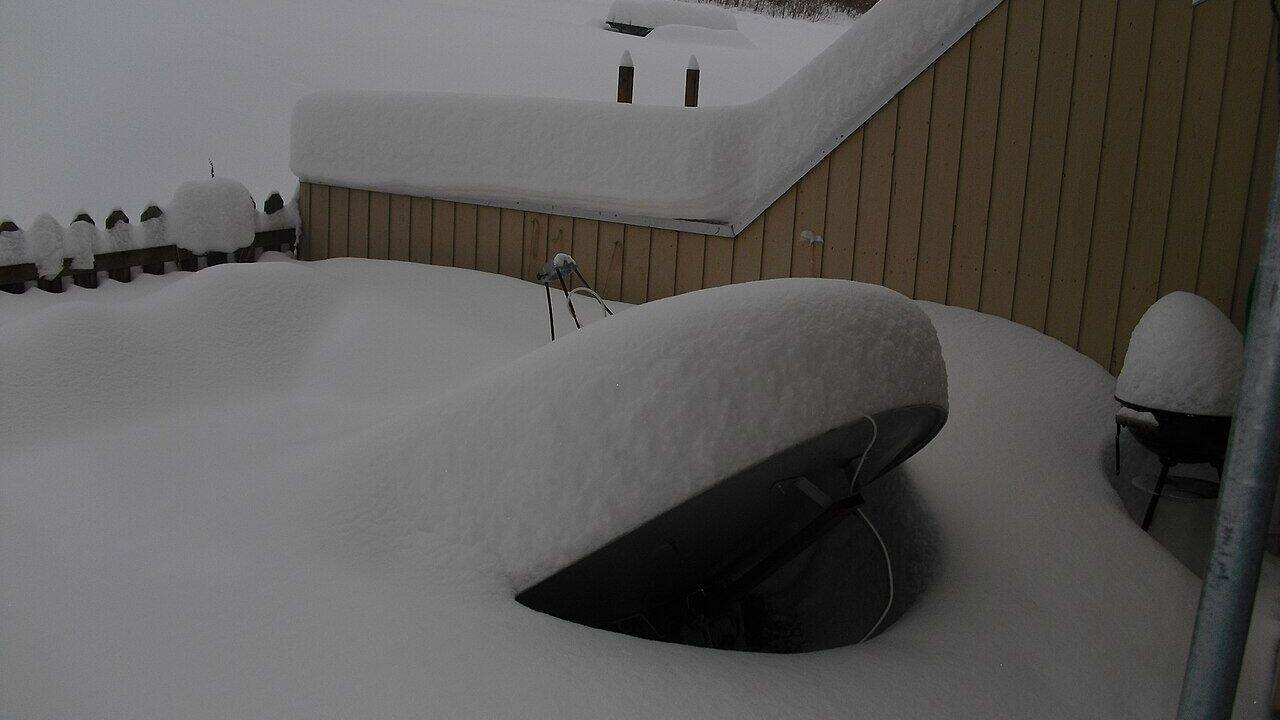
PC: Wikipedia
Average temperature: 4.55°CSweden covers a large part of Northern Europe, ranging from relatively mild southern regions to areas where winter takes a stronger hold. This wide geographical range creates substantial climate differences within the country.Northern Sweden regularly experiences long snowy seasons and limited daylight during the winter months. Those colder regions significantly impact the national average, keeping Sweden in the top ten.9. Andorra
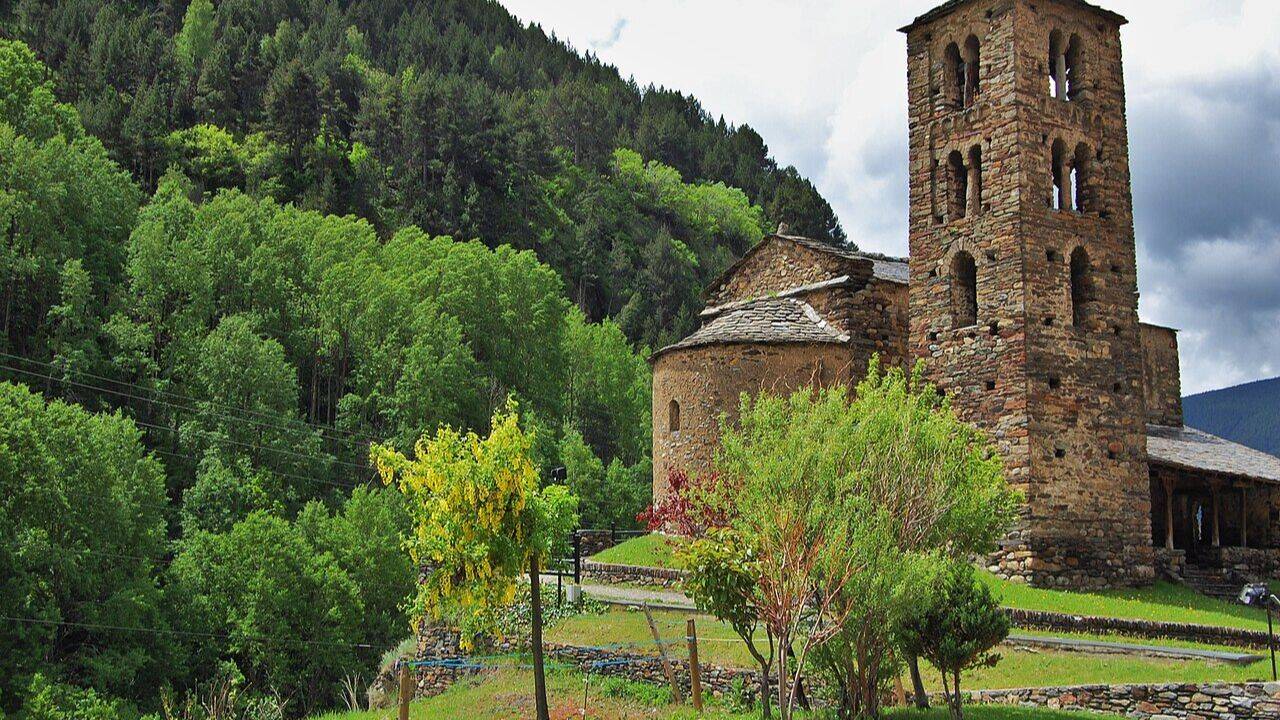
PC: Wikipedia
Average temperature: 6.23°CSmall in size but high in altitude, Andorra owes its cool climate to its location within the Pyrenees. Mountain slopes and high valleys dominate the landscape, shaping weather conditions throughout the year.The country’s altitude limits how much temperatures can rise, even during summer. As a result, Andorra records lower annual averages than many larger European countries located at comparable latitudes.10. Switzerland
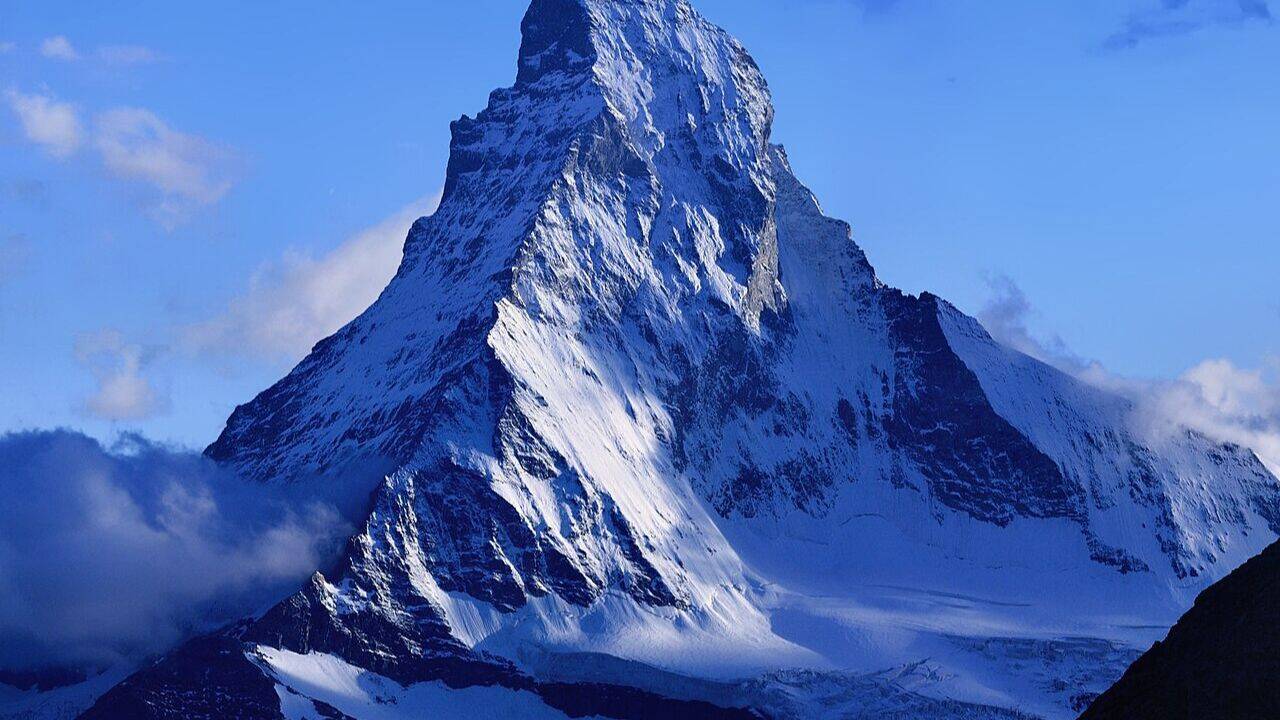
PC: Wikipedia
Average temperature: 6.27°CThe climate of Switzerland is closely linked to the Alps, which cover a large part of the country. These mountains influence everything from snowfall patterns to seasonal temperatures.The altitude plays a major role in keeping conditions cooler than those found in much of Central Europe. Although lower regions may experience pleasant summers, the extensive alpine terrain continues to have a strong cooling effect on the national average.