





Your WhatsApp usage will change from March 1, SIM binding will become mandatory: Here’s what it means for users
From March 1, 2026, WhatsApp will make SIM binding mandatory for Indian users under government orders. This change could change the way you use multi-device login and WhatsApp Web every day.

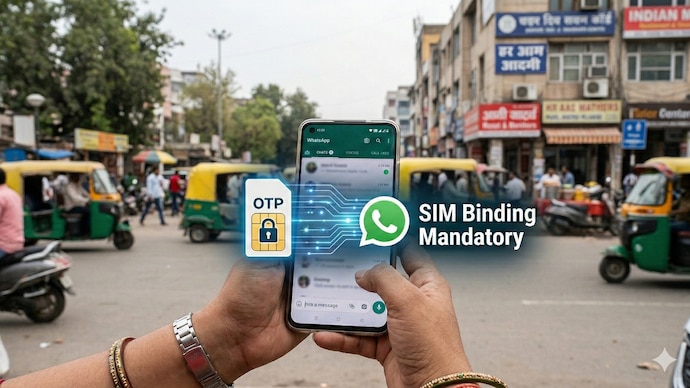


The Indian government is making SIM binding mandatory for WhatsApp users in the country, and the rule could significantly change how you use your account across different devices. From March 1, 2026, the Department of Telecommunications (DoT) will enforce mandatory SIM binding under the Telecom Cyber Security (TCS) Rules, 2024. In simple words, your WhatsApp account needs to be linked to the physical SIM card inserted in your primary phone.
❮❯
The government has made it clear that there will be no extension beyond the February 28 deadline. According to the Union ministry, the decision is based on “national security” and the urgent need to curb the rising cyber fraud cases across the country.
what is sim binding
Worldwide, WhatsApp follows the “verify once” model. You enter your phone number, receive a one-time password (OTP), and once your account is activated, you’re good to go. Even if you later remove the SIM card or use WhatsApp on a linked device like a laptop or tablet, the app continues to work without the need for a SIM inside the phone.
But the new SIM binding rule will completely change this process for users in India.
Under the new framework introduced by the Department of Telecommunications (DoT), your WhatsApp account must be constantly linked to the physical SIM card inserted in your primary device. In fact, the platform is expected to check approximately every six hours to see if the registered SIM is actually inside your phone.
If you remove, replace, or deactivate that SIM card, WhatsApp will stop working until the original SIM is reinserted and verified. The process will significantly impact how WhatsApp users in India access the platform across all devices, including WhatsApp Web, desktop app, tablets, and even secondary phones.
Why is the government doing this?
DoT has linked the decision on mandatory SIM-binding to the sharp rise in sophisticated scams across the country. According to the government, in many cases scammers authenticate an Indian mobile number only once and then operate the WhatsApp account remotely, sometimes from outside India, making tracing and enforcement extremely difficult.
By implementing SIM binding, the government wants to ensure that every active account remains linked to a KYC-verified SIM that is physically present in the device. Officials argue this will improve traceability, make it harder for fraudsters to operate anonymously and help reduce financial losses. According to government data, cyber fraud losses crossed Rs 22,800 crore in 2024 alone.
WhatsApp starts the SIM-binding process
WhatsApp has reportedly started alerting some users in India with a message that reads: “Due to regulatory requirements in India, WhatsApp needs to verify that your SIM card is in your phone.” Reports suggest that beta versions of Android apps are already testing this continuous verification system.
What changes from March 1?
From March 1, 2026, the biggest impact of the new SIM-binding rule will be felt on how people use WhatsApp across devices.
1. Continuous SIM verification: WhatsApp will now verify every 6 hours whether the SIM linked to your account is physically present in your phone. This process will effectively turn off the flexibility that allows users to authenticate once and then operate remotely for long periods.


2. Six-hour logout on web and desktop: If you rely heavily on the WhatsApp web or desktop app for work, you’d expect an interruption soon. Following the new rule, WhatsApp sessions will automatically log out every six hours on partner devices. To regain access, you’ll need your primary phone – the one with the active SIM inserted – to re-authenticate.
3. Restrictions on linked devices: Features like “Linked Devices” (also known as Companion Mode), which allows use on up to four additional devices without the primary phone being online, will face strict limitations. Users who use WhatsApp only on devices like Wi-Fi tablets or secondary phones without a SIM card may need to log in using the primary phone.
How to prepare your WhatsApp account for SIM binding
With the March 1 deadline soon approaching, here’s what users should do to avoid sudden disruptions:
– Make sure that your WhatsApp account is currently linked to the SIM inserted in your primary phone. If you recently swapped SIM cards, double-check whether the active number matches your WhatsApp registration.
– Update the app to the latest version.
– If you use WhatsApp Web or desktop for long periods of time, keep your primary device nearby. Since sessions may require frequent re-authentication, you will need to have your phone with an active SIM inserted.