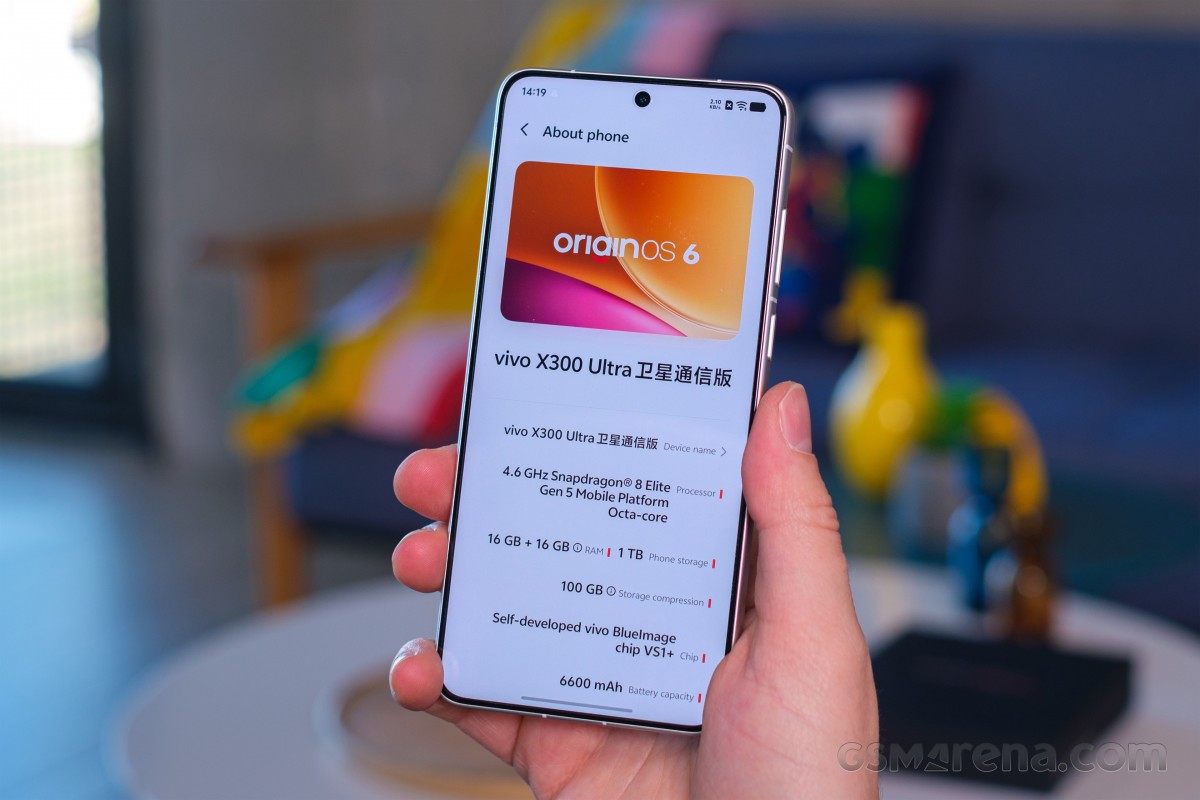
We have some good news. The much-awaited Vivo X300 Ultra has just arrived for review. We’re fans of Vivo’s Ultra, as it always leads the way when it comes to imaging innovation.
As always, we’re doing the unboxing first. Like its predecessors, this year’s Vivo Ultra comes with a color-matching case, a charger, and a USB cable.
What’s new on the X300 Ultra is the charger. It’s now a 100W USB-C unit, up from the X200 Ultra’s 90W USB-A unit.
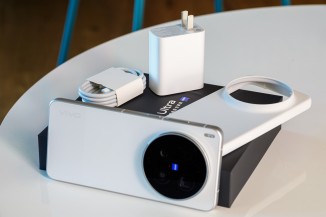
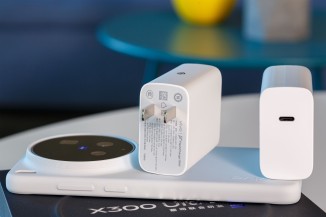
Unboxing the Vivo X300 Ultra
We also got Vivo’s new photography kit, which has grown significantly in terms of accessories. Priced at €599 (but 50% off with an X300 Ultra pre-order), the kit packs a ton of features. There are two new teleconverter lenses added to our collection – the 400mm and 200mm, although only the 400mm is available at the price we quoted.
There’s also a case, a detachable grip with the shutter button and camera controls, some filter rings, some lens caps, and a new leather strap with a quick-release attachment for the phone.

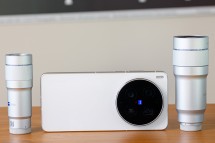
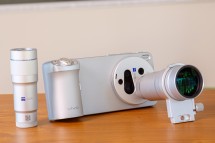
new photo kit
Here’s a look at the 200mm-equivalent teleconverter lens next to last year’s 200mm for the Vivo X200 Ultra. The new unit is quite small. This may be due to the reduction in lens aperture on the X300 Ultra’s 85mm zoom camera – it is back to an f/2.7 lens, while the X200 Ultra uses an 85mm f/2.3 lens. The sensor size is the same 1/1.4-inch (although the sensor is a separate unit, more on that in a bit).
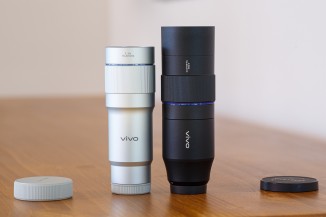
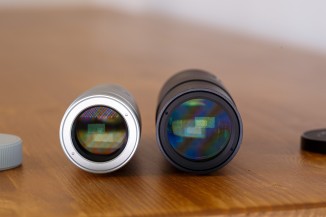
The new 200mm lens is much smaller than the previous one
Here’s the Vivo X300 Ultra next to its predecessor. Both are almost identical in height and width, but there are subtle differences between them.
For starters, both the front and back of the X300 Ultra are flat, while the X200 Ultra’s glass panel has a subtle curve at the edge. Practically speaking, flat glass is better for drop endurance, screen protectors, etc., but some of us feel that the slight curve gives the phone a grander feel. Of course, this is all subjective.
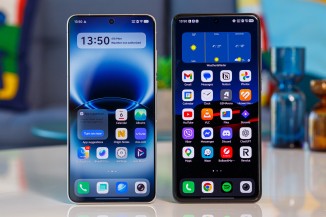
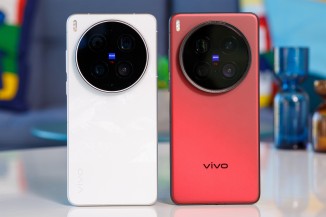
Vivo X300 Ultra on the left, X200 Ultra on the right
The X300 Ultra has a wider frame, although on paper, the X200 Ultra is a thicker phone. However, in the hands the new X300 Ultra definitely feels thicker and heavier than the X200 Ultra.
Another difference is the absence of a dedicated camera button on the Vivo X300 Ultra, whose predecessor premiered.
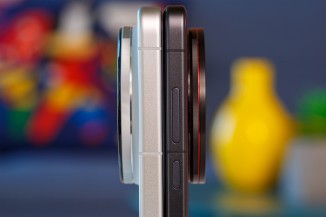
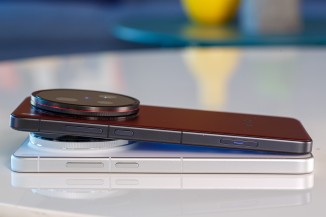
The new Ultra is a bit chunky and lacks a camera button

In terms of camera, the X300 Ultra premieres a large 200MP sensor beneath its main camera. The lens itself retains its classic, reportage 35mm focal length, but the optic is an f/1.9 unit, which is slightly narrower than the f/1.7 of the X200 Ultra’s 35mm camera.
The 85mm zoom has also got a sensor bump for the latest HP0 200MP imager. It’s the same size but brings technical improvements, the biggest of which is faster autofocus (Vivo says twice as fast). On the other hand, the lens is back at 85mm f/2.7, which is a notable step back from the X200 Ultra’s f/2.3 lens. Maybe it’s a matter of lack of space in this year’s phones.
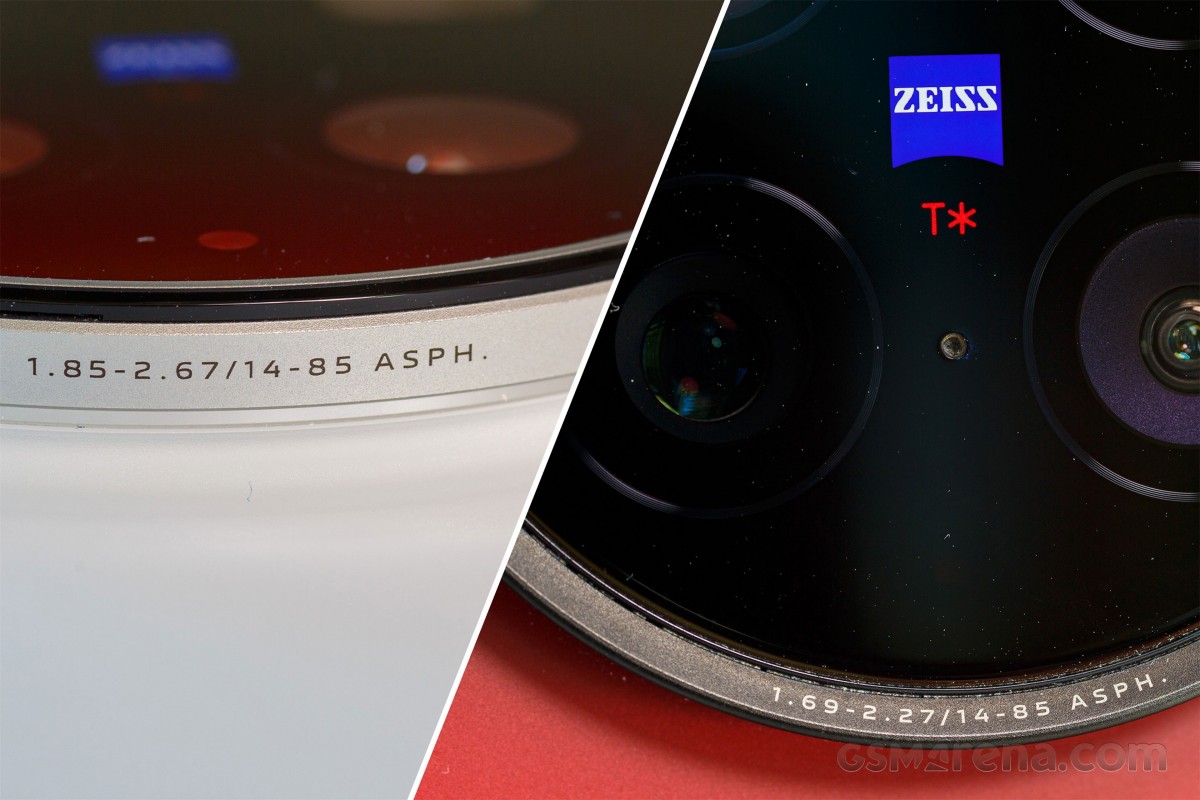
Impressively, the Vivo X300 Ultra increased the battery by 10% to 6,600mAh, despite having practically the same size on paper. The European X300 Ultra will reportedly drop that number to 6,395mAh, which is still more than last year’s 6,000mAh, so there’s that.
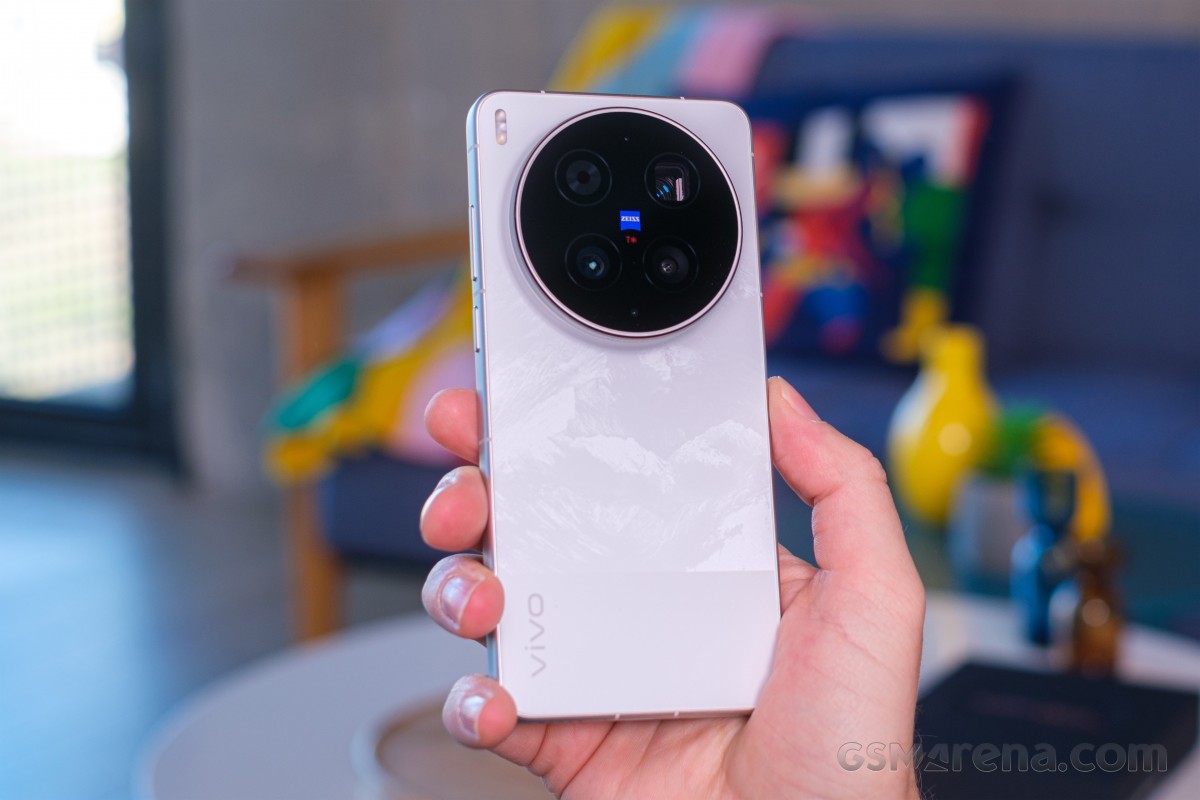
Speaking as a long-term Vivo X200 Ultra user, I can say that the X300 Ultra feels very similar in the hand, but there are subtle differences. The slightly wider frame and flat glass panel make a difference. The phone feels more secure in the hand, if a little more blunt and less refined.
Barring those small physical differences, the X300 Ultra feels familiar to an X200 Ultra user. Upgrading would be the equivalent of coming home to the same apartment but with a new set of curtains (white, as the case may be). And that’s not a bad thing!