



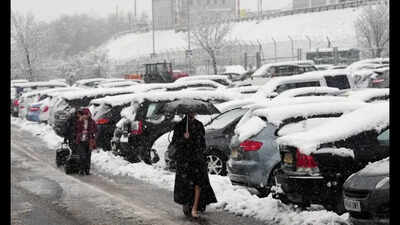

UK weather forecast: Super El Nino could cause freezing winters and increased global warming
Later in 2026, climate experts predict changes in weather around the world if El Niño takes hold. According to estimates, global temperature may increase. Britain can face severe cold during the winter months. Regional impacts will vary, but an overall warming trend is likely.What one reason do scientists point to? A fading La Niña, part of the broader El Niño–Southern Oscillation pattern. Australia’s weather agency believes the cold spell is now ending, leaving room for balanced ocean temperatures before a potential shift towards warmer temperatures. Across the Pacific Ocean, U.S. forecasters estimate there is only a two in three chance of El Niño starting during mid-year, lasting through the end of 2026.Expectations have risen as scientists estimate El Nino could increase global warming by around 0.2⁰C. In addition to ongoing warming, this change could alter the patterns of storms and rainfall around the world. Not just a little warmer, the US agency sees real power when Pacific waters climb more than 1.5⁰C above normal levels. During the latter months of the year, the chances of reaching those heights sit at about thirty-three percent. At that time, powerful El Niño phases did not occur frequently. During 2015 and 2016, one made the Earth warmer than ever before, while oceans rose and ice at the North Pole shrank. Because of what was revealed earlier, experts are now looking for similar signs in the future.The impacts vary sharply in different regions when El Niño occurs. In places like Australia, Indonesia and the Philippines, skies are clearer than usual; This increases the risk of fire as the ground dries up. Down the west coast of South America, the storm dumped far more water than usual in Peru and Ecuador, sometimes flooding rivers and roads. At times, changes associated with this pattern cause rainfall to slow down across India. Meanwhile, some US states near the Gulf Coast experience milder winters due to changes caused by warmer ocean areas. Winter shifts are slower in the UK. According to the Met Office, warm Pacific waters could tilt conditions towards cooler weather. Researchers say effects on local skies may be delayed, sometimes long after changes in ocean temperatures become visible. Warming across the planet appears to be linked to changes in the behavior of El Nino and La Nina. Scientists have been searching for this link for years, tracking patterns. When the oceans warm, rapid extremes occur, causing wild changes in weather. Rather than disappearing, these cycles appear to intensify as temperatures increase. Global warming alters natural climate patterns today. During cold phases such as La Niña, readings still exceed those seen during previous warm El Niño events. Such changes occur when Earth’s underlying fluctuations combine with rising basal temperatures. Over time, this mix redefines extreme weather.