



Type 1 vs Type 2 Diabetes: The major difference you must know
Recently, researchers in Australia tested Barisitinib, a drug used for rheumatoid arthritis, which show promising results for early intervention, in new ones with type ES 1 diabetes.
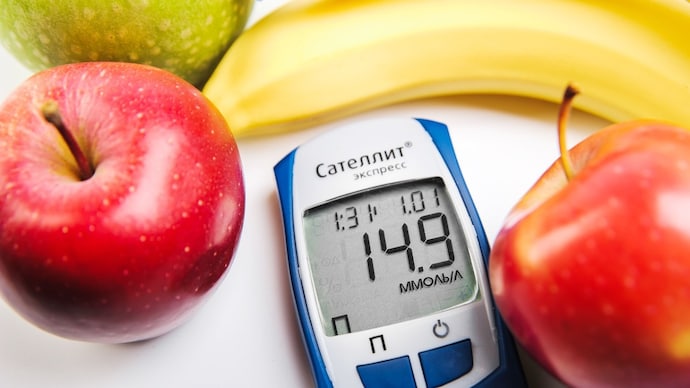


Diabetes is one of the most common metabolic disorders worldwide, but not all types. Type 1 and type 2 vary in diabetes causes, the age of the beginning, methods of treatment and long -term effects. Recently, researchers in Australia tested Barisitinib, a drug that is originally used for rheumatism, in new people with type 1 diabetes. The study suggested that the initial treatment may preserve the beta-cell function, stabilize glucose levels, and reduce the requirement of insulin slightly.
Meanwhile, Type -2 diabetes comes into the headlines, especially helps to control blood sugar and support weight management with GLP -1 drugs. Understanding the difference between type 1 and type 2 diabetes is important for patients, families and healthcare providers.
Reason and beginning
Type 1 diabetes is an autoimmune disorder where the body attacks its own insulin-produced beta cells in the pancreas. It often develops in children or young adults.
Type 2 diabetes is usually associated with lifestyle factors such as obesity, poor diet and lack of physical activity. It develops in most adults, although it is being seen rapidly in young people due to lifestyle changes.
Symptoms for viewing
Both types share symptoms like persistent urination, excessive thirst, fatigue and blurred vision.
Type 1 diabetes often develops suddenly and can cause unexplained weight loss.
Type 2 diabetes moves slowly and is often diagnosed during regular health checkups.
Treatment approach
Type 1 diabetes requires lifelong insulin therapy and persistent blood sugar monitoring. Australian studies on Barisitinib have shown that early treatment within 100 days of diagnosis can help preserve the beta-cell function, stabilize glucose levels and reduce insulin requirements slightly, although the effect was specific to temporary and new diagnosis patients.
Type 2 diabetes management usually begins with diet, exercise and lifestyle changes. Medications, including GLP-1 drugs, can be added to control blood sugar and help weight management.
Expert insight
“Daily insulin is essential for people with type -1 diabetes because it replaces what the body cannot make. For type -2 diabetes, lifestyle healthy food, regular exercise and weighing remains the cornerstone or can prevent complications,” Dr. Sonali Kagan, Advisor, Endocrinology, Sir HN Reliance Foundation Hospital.
Long term health risk
Type 1 diabetes, if not well managed, can lead to complications such as kidney damage, vision problems, and heart disease.
Type 2 diabetics carries risks including heart disease, neuropathy, kidney problems and vision loss. Early diagnosis and proper management are necessary to prevent long -term complications in both types.
Practical tips for patients
For type 2 diabetes:
-
Pay attention to lifestyle: eat vegetables, salads, whole grains, sprouts; Avoid excess sugar, fried and processed foods.
-
Cut on cold sweet drinks and fruit juices; Prefer the whole fruit in small parts.
-
Exercise at least 30 minutes a week, five days a week.
-
Maintain a healthy weight, sleep well, and manage stress.
-
Follow your doctor’s advice on medicines or insulin.
For type 1 diabetes:
-
Daily insulin should be one – leave the dose anytime.
-
Check the sugars regularly with glucometer or sensor.
-
Match food with insulin using part control and carb count.
-
Always take glucose tablets or sweets to treat less sugar.
-
Annual health check -up is necessary for the eyes, kidneys, veins and legs.
Practical Insulin Uses:

-
Opening insulin in the fridge (2-8 c) should never freeze.
-
Rotate injection sites to prevent lumps.
-
To conform to time; Use new needles every time.
-
While traveling, take insulin to a cool bag.
DKA (diabetic ketooseidosis) prevention:
-
See for signs: Continuous high sugar, dehydration, vomiting, fruit-breathable breath.
-
Never leave insulin even when sick.
-
Stay hydrated and check the sugars/ketones during the disease.
-
If the symptoms deteriorate, get medical help quickly.
Dr. Sonali Kagan says:
“DKA can be prevented with simple steps – higher monitoring, hydration, and insulin rearing. Education for both patients and families is important to manage diabetes safely.”
While Type -2 diabetes dominates public discussion due to new drug remedies, Type -1 diabetes remains a silent but serious challenge. Australian Barisitinib studies provides hope for new diagnosed patients by preserving natural insulin for a limited time, potentially reduces the burden of insulin injection.
Whether it is type -1 or type -2, key is awareness, discipline and active care. With correct medical guidance and lifestyle changes, people with diabetes can live a complete, active and healthy life.