





new trailer for brand new Day Opens with a voiceover describing the three stages of a spider’s life and what happens in the spaces between them. It turns out that science is even stranger than fiction.When the first trailer for Spider-Man: Brand New Day was released this week, Peter Parker is disoriented, waking up in what appears to be a cocoon, struggling to control the webbing that now comes from his body instead of the mechanical web-shooters he’s used during his MCU run. The shift to organic webbing isn’t entirely new territory for the franchise; Tobey Maguire’s Spider-Man had biologically constructed webs in Sam Raimi’s 2004 film, and the concept was briefly acknowledged in No Way Home. Here it suggests something more unstable, a physical development possibly linked to the DNA mutation or the cumulative stress of being Spider-Man, leaving Parker exposed in ways he wasn’t before. In the comics, such biological changes have sometimes taken much darker turns, with Parker growing extra limbs, developing a more violent physiology, and losing pieces of his humanity in the process.

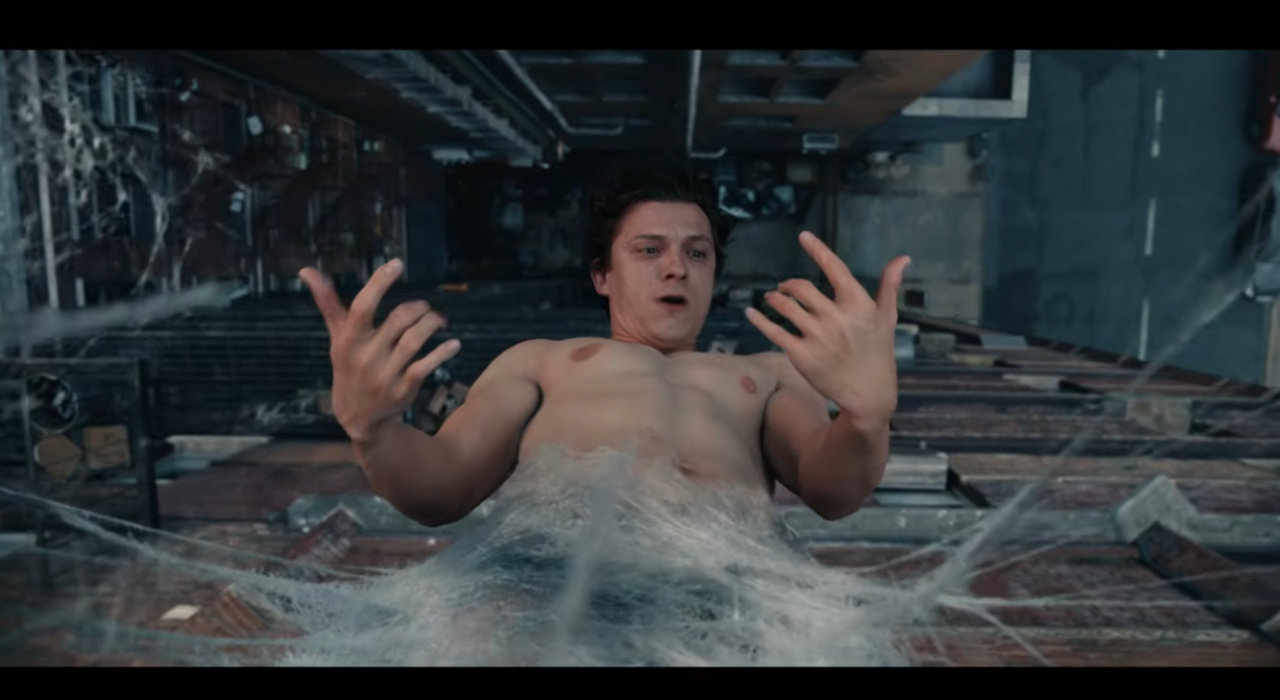
A disoriented Peter Parker awakens inside a giant web cocoon after collapsing, prompting a mysterious and disturbing transformation ahead
The trailer suggests that there are no such extremes, but the direction of travel is clear. In the footage, the voice of actor Keith David, whose role is undisclosed, provides the narration that forms the trailer’s backbone: “Spiders have three life cycles. Between cycles, this can make the spider vulnerable to dangers. And for those spiders that make it across, it’s like a kind of rebirth.” It’s a neat piece of screenwriting that hints at a real arc for Holland’s Parker. It is, in its broad strokes, accurate too, and the reality of what spiders actually go through in those three stages is worth understanding on its own terms.
What exactly are these three steps?
Every spider that has ever existed, from the smallest jumping spider to a dinner plate-sized tarantula, goes through the same three stages: egg, pupa, and adult. There is no larval or pupal stage like the butterfly. Spiders do not undergo metamorphosis. What they do instead is weird in its own quiet way.
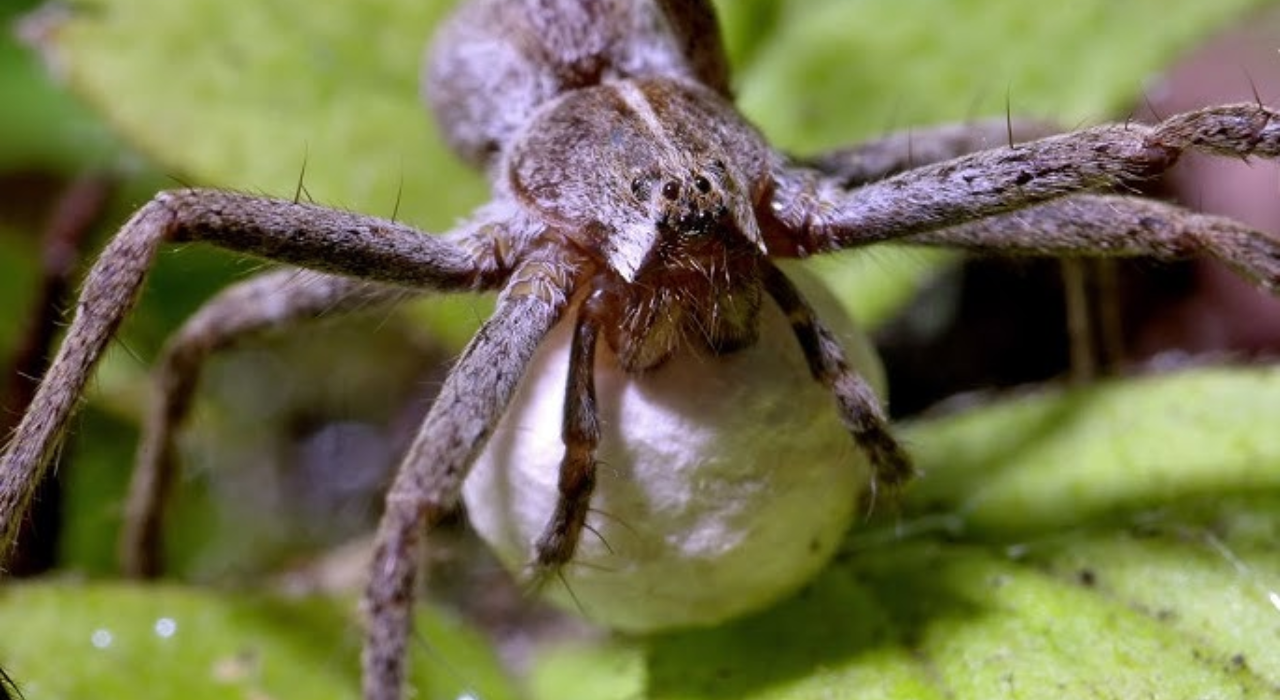
A female nursery web spider, Pisaura mirabilis, carrying her egg sac / YouTube Steve Downer – Wildlife + Macro Cinematography
It starts with the egg sac, a structure the mother builds from silk before she lays the eggs. The silk is tough enough to protect from the elements, and a sac can hold anywhere from a handful of eggs to several thousand, depending on the species. Some mothers guard the sac until the eggs hatch. Wolf spider mothers carry it with them entirely, and when the eggs are ready, they cut the sac themselves to free the babies. Other species deposit the sac somewhere safe and abandon their offspring entirely to fate. The eggs usually take a few weeks to hatch, although in colder climates some eggs overwinter inside the sac and emerge only in the spring.
most dangerous stage
When spiders hatch, they are not larvae or grubs. They’re fully formed, tiny spiders, eight legs, many eyes, the entire architecture of an adult, compressed into an almost invisibly small thing. They lack size, and in order to grow larger they need to remove the obstructive exoskeleton, a process called molting. Most species moult five to ten times before reaching adulthood, and during moult, when the old exoskeleton has shed and the new exoskeleton has not yet hardened, the spider is at its most exposed. It doesn’t work properly. It cannot defend itself. The line in the trailer about vulnerability between cycles is, in biological terms, a reasonably plausible description of this window.


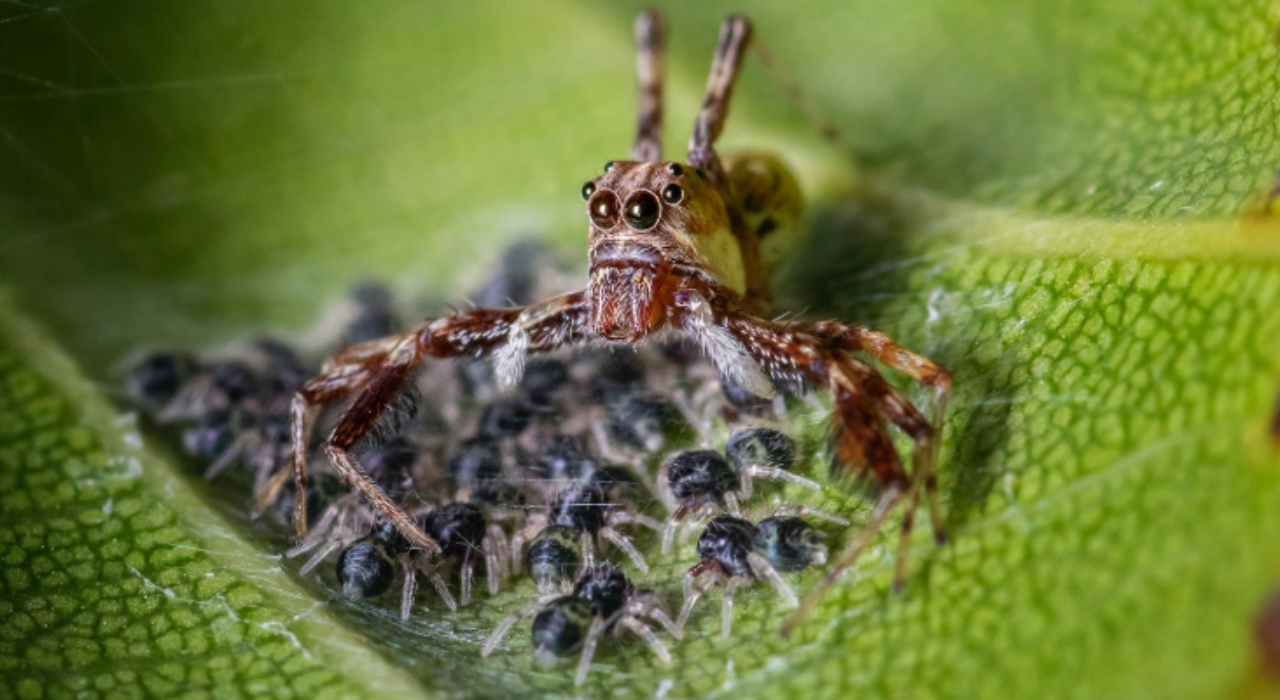
A jumping spider takes stock of its spiders/Instagram Sanctuary Asia
Dispersion at this level is one of the more quietly extraordinary things spiders do. Some spiders move away from the egg sac. Others blow up balloons, climb to a high point, raise their bellies, and release fine silk threads that catch the wind and lift them into the air, sometimes carrying them for hundreds of meters, sometimes much further. The silk forms a triangular shape which essentially functions as a kite. This is how spiders adapt to new environments, and this means that a creature born in one place can reach full adulthood in another.
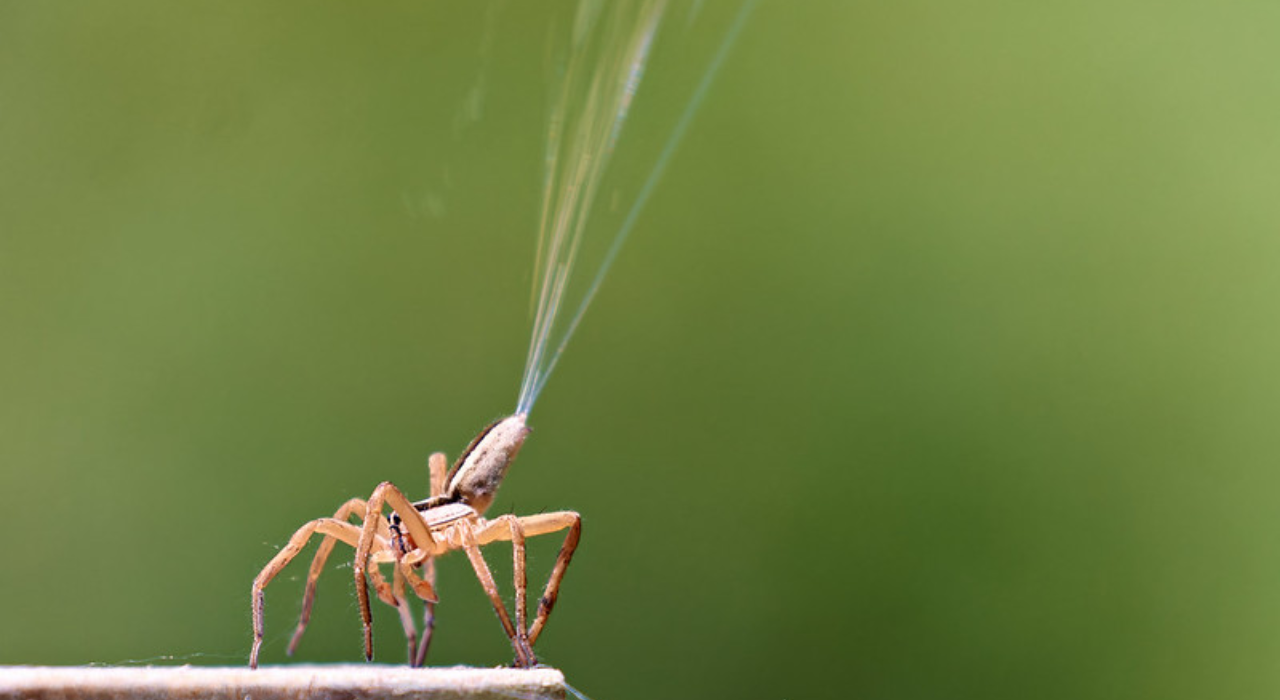
Spider testing the air with ballooning silk/Image credit: Steve Creek Wildlife Photography
Adulthood, and what is its price
Once the spider reaches adulthood, it is able to reproduce, and for male spiders, that’s often the end of the story. A male first spins a small web, deposits sperm on it, and then draws that sperm into specialized appendages called pedipalps before going in search of a female. The approach requires care; Females are larger, often stronger, and may be mistaken for prey by a male who misjudges the encounter. Many males die shortly after mating, despite popular belief, due to biological inevitability rather than female aggression in some species. Female spiders live much longer. Most spider species live a total of one to two years, but the female tarantula is one species that makes fun of the average, with some living more than twenty years. They continue to ejaculate even into adulthood, which creates a peculiarity: if a female tarantula ejaculates after mating, she leaves the structure in which she stored the sperm, and she has to mate again. In brand new DayThe filmmakers used this biological structure as an allegory where Peter Parker finds himself temporarily torn between a version of himself and whatever comes after him, without his bearing. It remains to be seen whether the film monetizes that metaphor when it releases on July 31. At least the spider from which it is borrowed has biology on its side.