





Samsung executives will be pouring champagne right after “publishing” the Q4 and 2025 financial reports. The company achieved an all-time high operating profit of KRW 20.1 trillion and the highest-ever quarterly revenue of KRW 93.8 trillion.
For the full year 2025, Samsung reports KRW 333.6 trillion in revenue and KRW 43.6 trillion in operating profit. We have to start with the Device Solutions Division (DS).
DS reported 33% quarter-on-quarter growth in sales driven by the memory business, which reached all-time highs for quarterly revenues and profits. In concrete numbers, its quarterly revenue was KRW 44.0 trillion and operating profit was KRW 16.4 trillion.
This was driven by high demand for traditional DRAM and growing HBM sales. The division reported increased profitability for products such as server DDR5 RAM and enterprise SSDs.
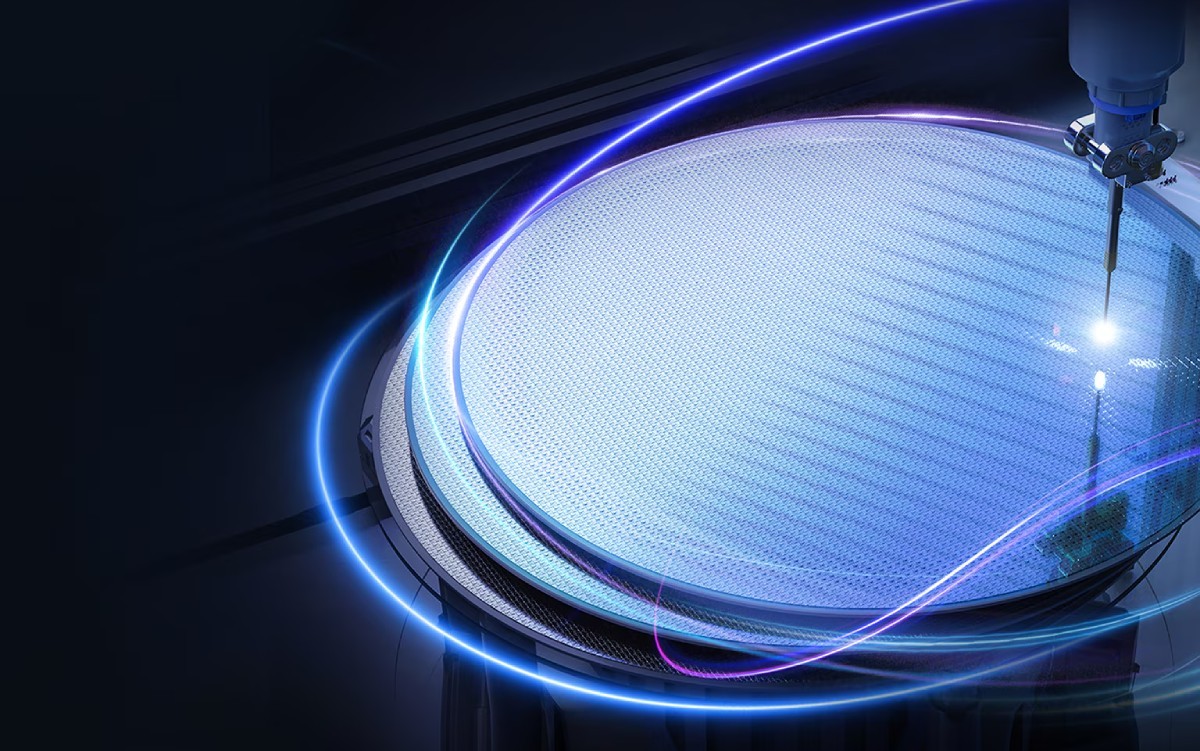

Looking ahead to Q1 2026, the division will continue to ride the AI boom – it expects to start selling HBM4 products (which target speeds of 11.7 Gbps), while continuing to deliver DDR5, SOCAMM2 and GDDR7, all of which have their place in AI servers. Additionally, it expects higher sales of NAND storage.
The Mobile Experience (MX) division and network business reported KRW 29.3 trillion in consolidated revenue and KRW 1.9 trillion in operating profit for Q4.
The MX business managed to achieve “double-digit annual profit” last year due to flagship sales as well as steady demand for tablets and wearables. However, smartphone sales declined in Q4.
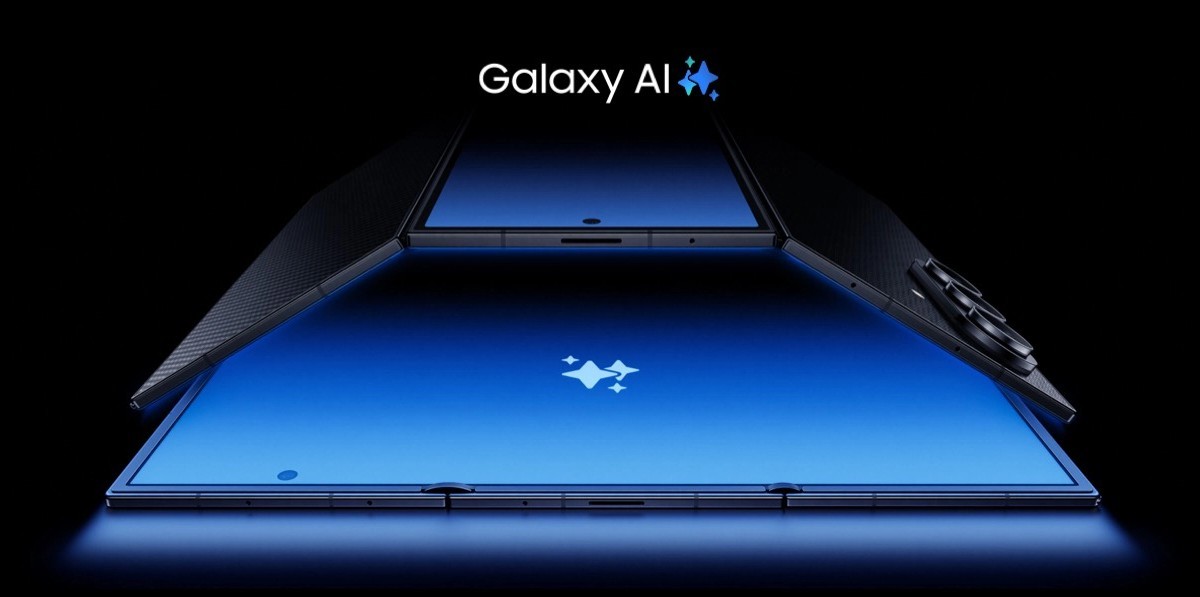

This is expected considering Samsung’s launch schedule. The company will launch the Galaxy S26 series in Q1 2026. The company is pinning its hopes on AI-powered product sales for 2026 as well as gaining ground with its innovative slim and lightweight form factors (presumably, this refers to foldables, but not specified in the press release).
Profits for the system LSI business declined in the fourth quarter of 2025, and Samsung blamed weak seasonal demand. However, it’s not all bad news, as the new 200MP and 50MP camera sensors have boosted revenues. Samsung expects profits to rise again in the first quarter of 2026 due to rising demand for its 200MP sensors.
LSI also makes chipsets and that part of the business saw sales growth and yield stability.
Samsung’s foundry business saw strong demand in the last quarter of 2025. It began mass production of first-generation 2nm products and plans to move into second-generation 2nm chips this year. It will also offer performance and power-optimized 4nm nodes.
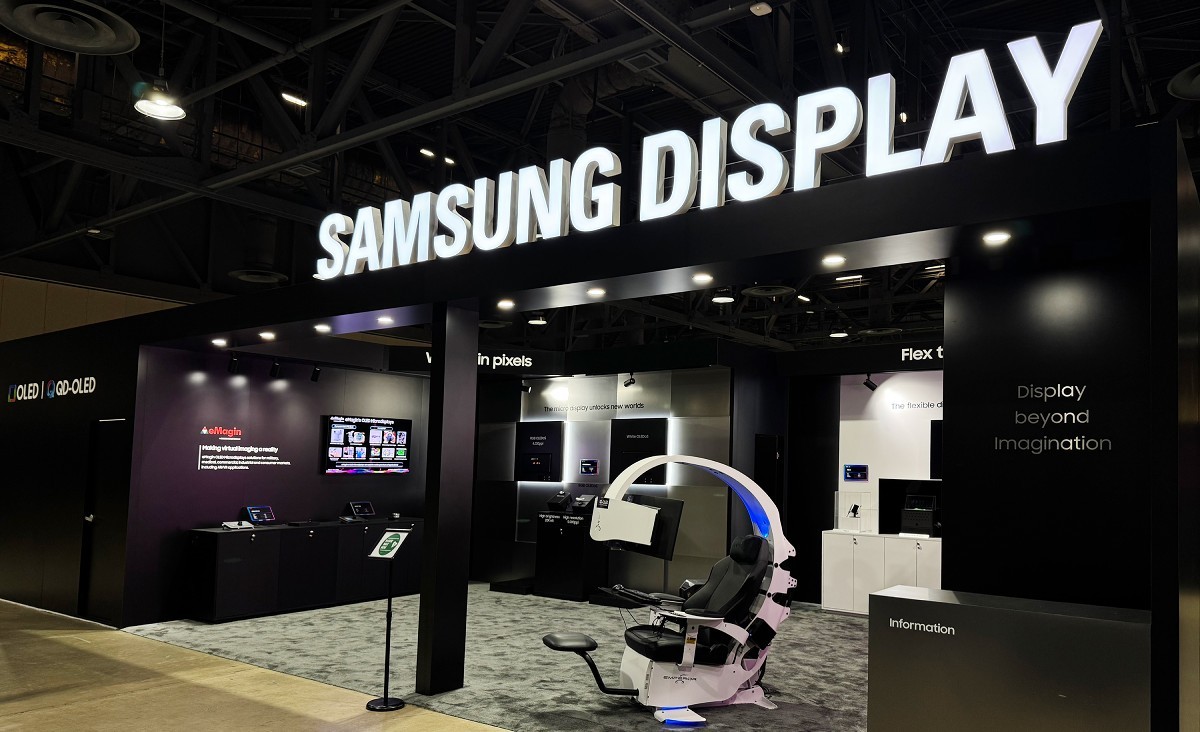


SDC, which makes displays, saw solid results from its small and medium display products. This includes growing demand for smartphone displays and higher sales in the IT and automotive segments. Larger performance products also provided revenue growth.
Samsung expects demand for smartphone displays to remain soft in Q1 2026, so it will focus on developing and supplying displays for flagship models. SDC reported KRW 9.5 trillion in revenue and KRW 2.0 trillion in operating profit for Q4.
The related visual display (VD) and digital devices (DA) businesses reported KRW 14.8 trillion in consolidated revenue and KRW 0.6 trillion in operating profit. The VD business enjoyed solid sales of its Neo QLED and OLED TVs and monitors.
This year, the VD division is expecting big business as consumers buy new TVs in preparation for major sporting events such as the Olympics and the FIFA World Cup.
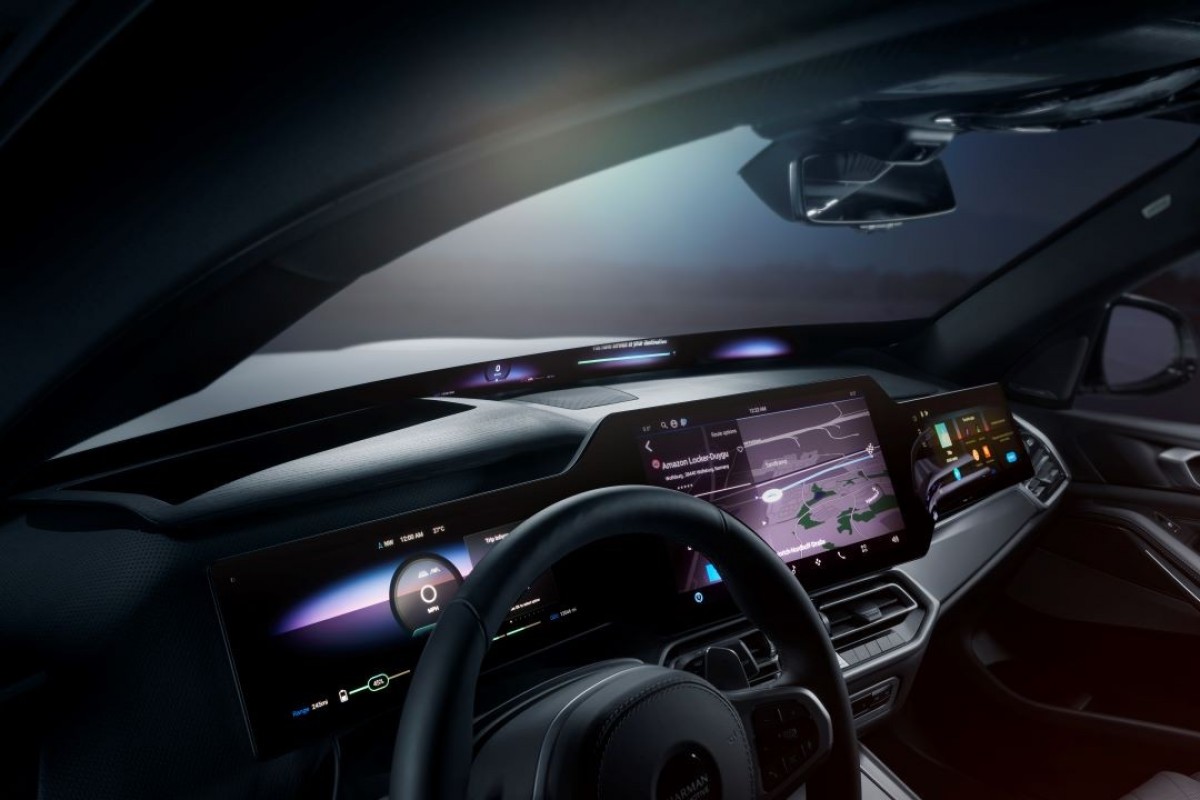

There’s more, but let’s end with Harman, which reports KRW 4.6 trillion revenue and KRW 0.3 trillion operating profit for Q4. Harman does many things – it sold automotive products to European OEMs, which drove revenue, and its TWS buds performed well during peak demand season during the holidays. In 2026, it will focus on driving more sales in the automotive sector, especially digital cockpit and audio products. And it is also expecting revenue growth from its consumer audio business.
Samsung has many other divisions that we haven’t covered here, for example air conditioning. Follow the source link for more details.