



Passport not proof of citizenship? Javed Akhtar raised questions on the ‘absurd’ step of the ministry
Writer-lyricist Javed Akhtar on Wednesday criticized the statement of the Ministry of External Affairs in which he had said that passport is not a proof of citizenship. The comment sparked widespread debate over what is considered conclusive citizenship evidence.
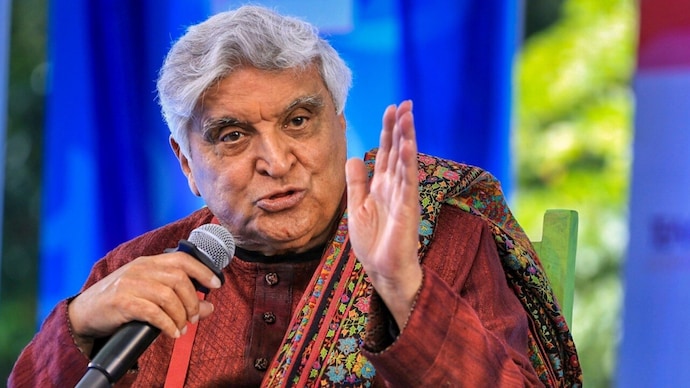

Writer and lyricist Javed Akhtar on Wednesday criticized the Ministry of External Affairs (MEA) for its comment that passport is not a proof of citizenship, calling the statement absurd. His reaction came after External Affairs Ministry officials said that the passport is a travel document and not a citizenship document.
In a post on X, the 81-year-old man questioned how a passport can be issued if the authorities are not completely satisfied that the passport holder is an Indian citizen.
❮❯
He wrote, “The Ministry of External Affairs says that passport is a document for travel, not proof of citizenship. Really??? So are they providing this travel document to some people without being completely sure that the person is an Indian citizen? This is absurd.”

When someone pointed out that Aadhaar, Voter ID card and even PAN are not proof of citizenship, he doubled the criticism. Responding to the

What did the Foreign Ministry say?
On the 14th Passport Seva Diwas, the Ministry of External Affairs said that passports are travel documents issued primarily by the government to facilitate international travel, and holding a passport does not establish citizenship.
This statement sparked widespread debate over what constitutes conclusive proof of citizenship. The issue attracted attention because passports are issued only to Indian citizens, while the Ministry of External Affairs said the document itself does not define citizenship.

Earlier this year, during the hearing on the special intensive revision of electoral rolls, the Supreme Court said that Aadhaar is not a conclusive proof of citizenship and is merely a document of identity. Voter ID card is also not considered as a citizenship document and is primarily an identity and residence document used to exercise the right to vote.
Under citizenship laws, a person is an Indian citizen by birth if he or she is born in the country on or after January 26, 1950, but before July 1, 1987. For those born after July 1987, citizenship by birth applies if one of the parents was a citizen. For people born on or after 3 December 2004, citizenship by birth applies only if both parents are Indian citizens, or if one parent is a citizen at the time of birth and the other is not an illegal immigrant.
On the same day, the Ministry of External Affairs also highlighted the expansion of passport services and the rollout of chip-enabled e-passports. An official said 1.5 crore passports and related services were distributed in 2025, including 1.39 crore passports. The official also said passports are now delivered within an average of six working days, excluding police verification, and citizens spend an average of less than 45 minutes at Passport Seva Kendras. The Ministry of External Affairs said the number of Passport Seva Kendras has increased to 545 from 77 a decade ago.