





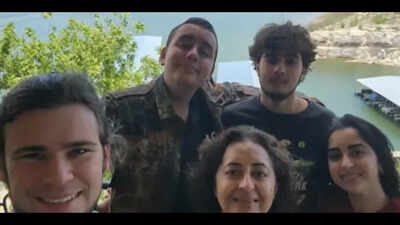
Mennu Batra’s daughter appeals for her mother’s release from illegal ICE detention in the US. (Photo: CBS)


Amrita Singh, daughter of Texas-based Indian-origin legal interpreter Meenu Batra, who was detained by ICE since March 17, has broken her silence on the inhumane treatment of people in America’s ‘broken’ immigration system. “Who is benefiting from breaking up families? This country was built by immigrants and I am proud to be their daughter. Please help us bring my mother home,” Singh wrote in a social media post. “She immigrated to this country from India in the early 90s after my grandparents tragically passed away. Despite experiencing unimaginable grief and trauma, she came to the United States to be reunited with the rest of her family. He applied for asylum upon arrival (after a 9-year wait), and was granted a stay of removal by an immigration judge in Newark, New Jersey in 2000. With that security, Amrita wrote, she has been working and living in the United States for 35 years now. Four siblings, Amrita, Lucas, Aryan, Jasper sat down for an interview with CBS News and spoke to their mother over video call. Batra said in the CBS interview, “I have lived an honest life, worked hard, raised four children by myself. My work speaks for itself.” When Batra was asked what her ‘stay on removal’ status meant, she said, “I’m here, I’m legal, and I won’t be removed, so I have nothing to worry about. I can live and work. And that’s all I wanted to do.” Batra’s lawyers fear that DHS may send him to a third country because they cannot send him back to India.
Did Meenu Batra come to America legally?
After the incident became widely known, a major controversy arose over whether Batra had come to the US legally. Based on what we know so far, Batra fled to the US when her parents were murdered. He applied for asylum which was not granted; But he was given a status that cannot be removed. This status allowed Batra to live and work in the US legally, but she could never apply for citizenship. DHS said Batra’s legal work authorization in the US does not make him a legal resident.