





During its event in Malaysia yesterday, Huawei introduced the Pura 90s series along with the FreeClip 2 S and MatePad Air (2026). We had a chance to meet these devices in person, so here’s a quick overview of the MatePad Air, updated for this year.
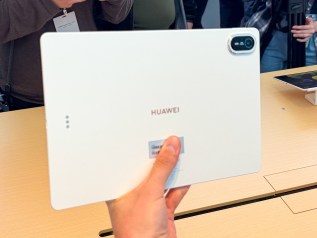
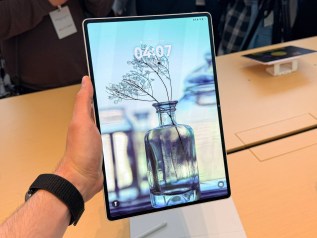
MatePad Air (2026)

Like its predecessor, the MatePad Air (2026) has a 12-inch display, but instead of the plain old IPS LCD panel, the new Air swaps it for a brighter OLED with a 144Hz refresh rate. Additionally, the screen has Huawei’s papermatte coating that makes it look like paper. Reflections are reduced, making the screen ideal not only for multimedia consumption but also for reading.
Talking about multimedia, the device is equipped with 6-array stereo speakers for a proper listening experience.
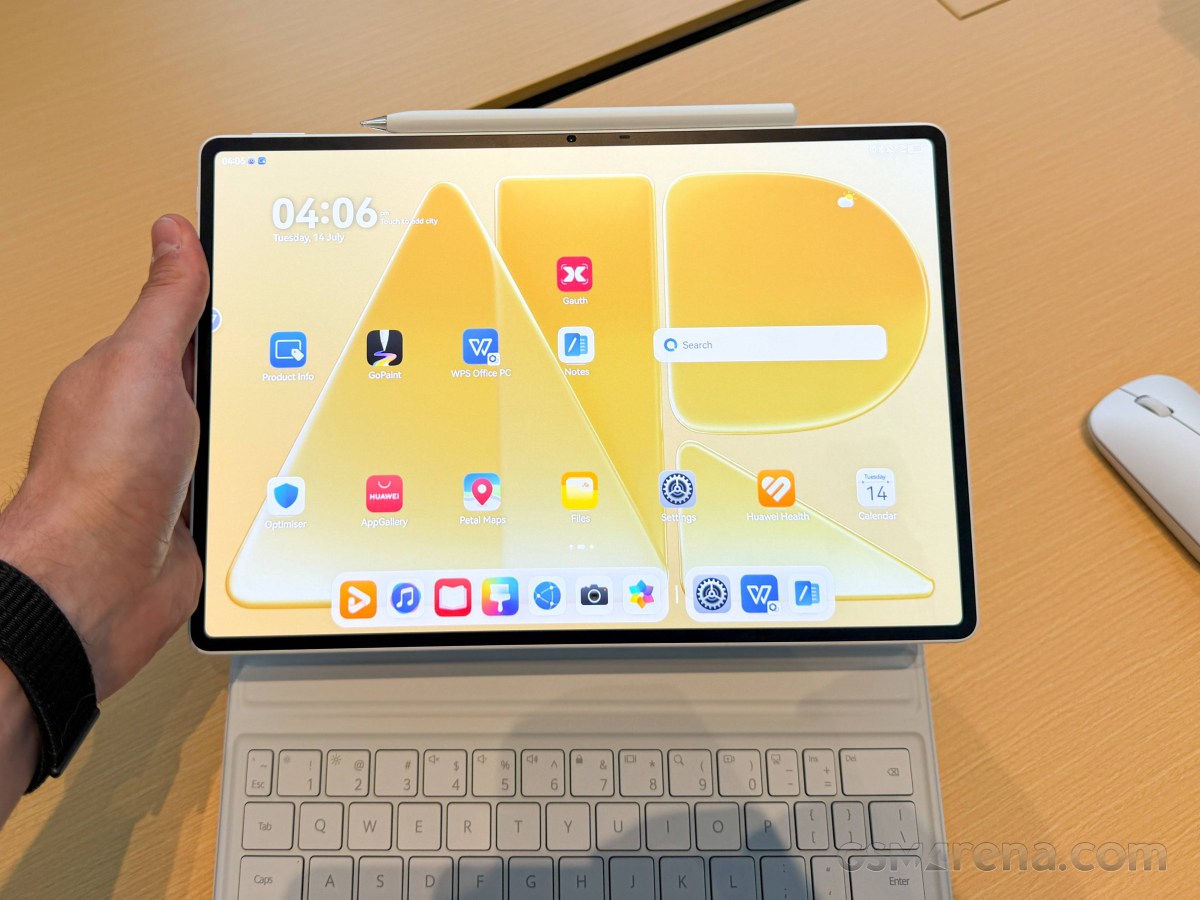

With this feature, Huawei brings the otherwise more affordable MatePad Air closer to the higher-end MatePad Pro lineup, which boasts the same papermatte display.
The Kirin T93C SoC is doing all the number crunching and is paired with either 8GB of RAM or 12GB of RAM, while storage is only 256GB. There are no other options.
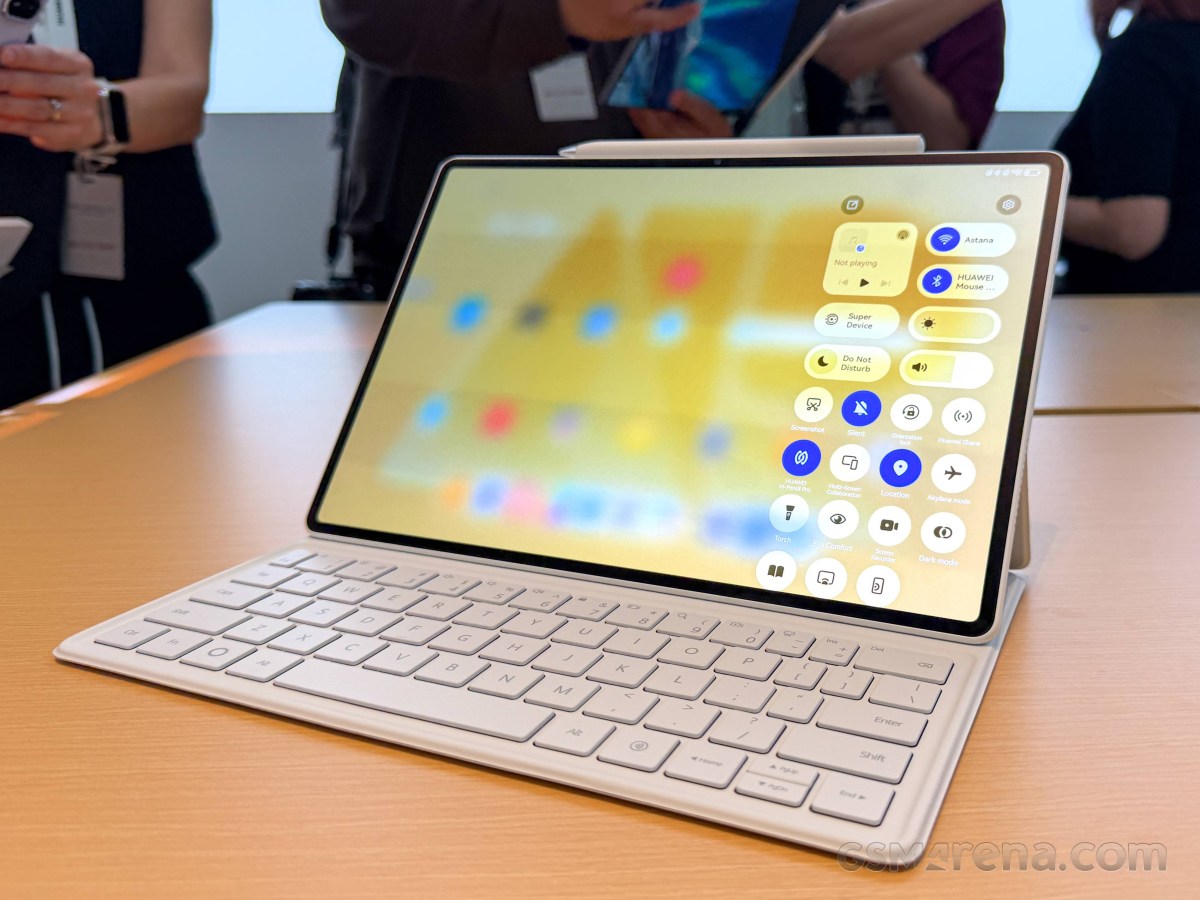
According to Huawei’s words, the T93C chipset is good enough for some AI-powered Pro features.
The rear cameras are cut in half; Now only the 50MP main snapper is left. The previous generation’s 8MP ultrawide camera is gone, but we don’t think it’ll be missed. There is a 12MP shooter on the front.


The entire system is powered by a massive 10,100 mAh battery, which supports 66W fast charging.
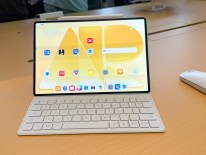
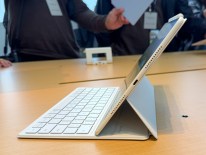
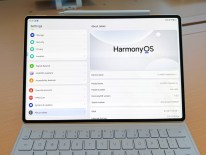
MatePad Air (2026)

However, despite being a 12-inch tablet, the Air is, as the name suggests, quite thin and light. Its thickness is only 5.3 mm and its weight is 509 grams. Compared to the previous model, its weight has reduced by about 50 grams.
The colors available are sakura pink, airy blue and white.
As usual, the tablet supports Huawei’s accessories such as a detachable keyboard, which you get with almost every bundle at launch, and the M-Pencil Pro, which allows some smart features like Air Mouse functionality. You can swipe a short distance and interact with the content on the screen without touching the display.