





Android is designated as a gatekeeper under the EU’s Digital Markets Act (DMA) and as such is required to provide third-party companies equal access to key features of phones and tablets.
The European Commission feels that Alphabet (Google) has not done enough and has kept some AI-related features exclusive to its Gemini platform. The Commission has proposed changes to resolve the situation and invited people for public consultation.
The discussion focused on three key issues, quote:
- Ability to invoke AI-powered services through users’ wake words
- The potential for AI-powered services to effectively interact with users’ applications and understand their context and execute tasks on their behalf
- Access to the hardware and software resources needed to make AI-powered services reliable and responsive
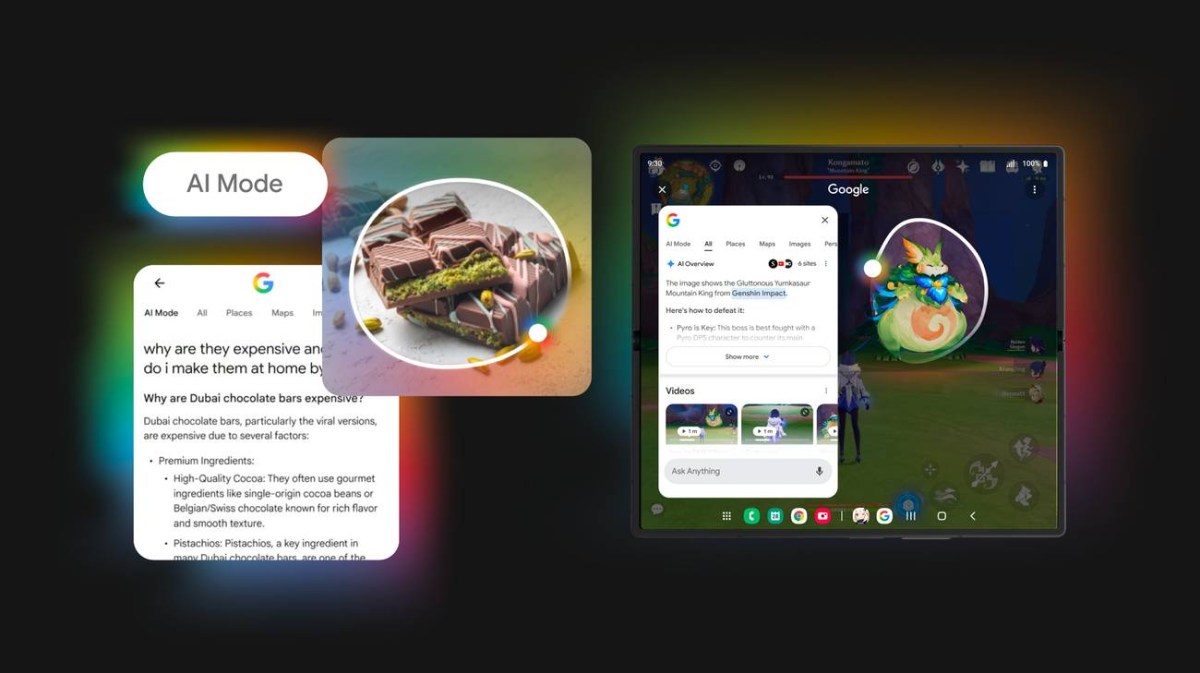
In more detail, the Commission looked at the long press of the navigation bar shortcut – this triggers Gemini, giving it relevant data and allowing it to overlay information on the screen. It is typically mapped to Google’s Circle to Search feature and is “not uniformly available to third-party developers.”
Similarly, always-on word detection is mapped to “Hey Google.” The Commission wants Android to enable third-party app developers to add their own wake words.


There’s more – app data (especially data that is stored only on the phone or tablet) can only be accessed through the AppSearch permission and this permission is only assigned to the default assistant and cannot be granted to third-party assistants. You can read the whole thing here (warning: PDF). This includes proactive suggestions, context-aware intelligence, ambient data, and more.
In an email to Reuters, Alphabet’s senior competition lawyer said: “This unreasonable interference would mandate access to that autonomy, sensitive hardware and device permissions; unnecessarily increase costs while undermining important privacy and security protections for European users.”
A few years ago, Apple got into trouble for keeping certain features in its services locked, for example Apple Pay had exclusive access to the NFC chip inside iPhones. It was later opened up to third-party services, although the Swiss still have concerns.