





In 2022, the EU prepared new legislation that would bring back user-replaceable batteries on electronic devices. This will go into effect in February 2027, but some companies are already getting the jump – for example, Nintendo has released a special Switch 2 with a replaceable battery.
But what about devices where replaceable batteries may affect features like water resistance? Well, the EU has added several exemptions for such cases.
An important category is the so-called “Wet Equipment”. These include: “Wearable devices, such as wireless earbuds, heart rate monitor straps, smart glasses or watches, intended to be worn on the head, wrist, chest or arm, or outdoor wireless speakers.”




Several categories of devices are now exempt from the EU’s replaceable battery requirements

Wet devices are those that are primarily designed to operate in environments where they are likely to be splashed or immersed in water or that are designed to be washable. This obviously includes things like electric toothbrushes, but it may be less obvious when it comes to outdoor wireless speakers.
This should be more obvious for smaller devices as wearable devices may be exempt. “Based on considerations relating to miniaturization.” This is for designs that are so small and their internals are so tightly packed that there is a real risk of damaging the battery when the user attempts to remove it – and you don’t want to see a lithium battery burning up. In such cases, batteries should be replaced only by professionals.
The European Commission writes that it may add exemptions in the future based on new device categories “Market development and technological and scientific progress.” You can read the full document here (PDF).


It’s important to note that “user-replaceable battery” does not mean that the user should be able to swap out the battery without tools (as it used to be in older phones). However, it should be possible to replace the battery with basic tools, such as a screwdriver and a pry tool.
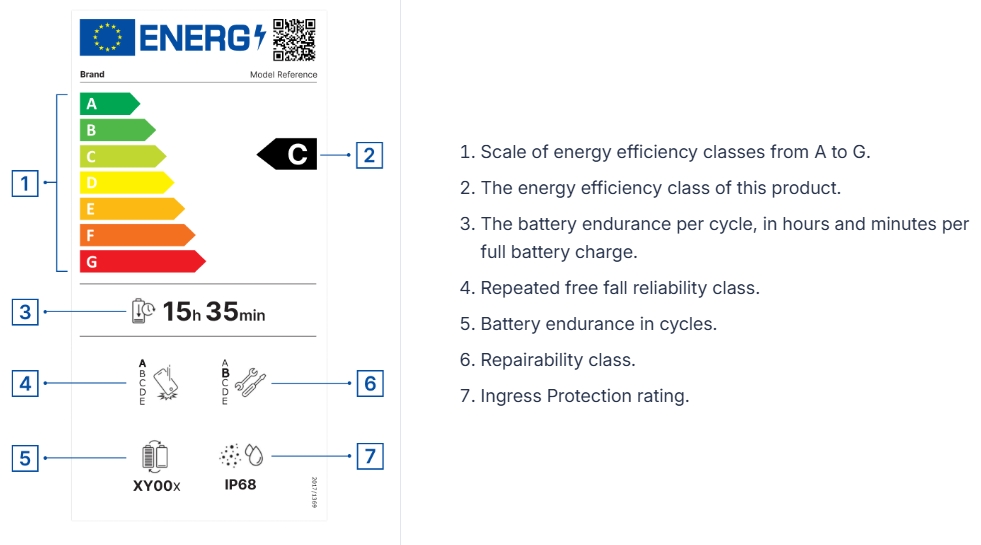

Additionally, there is an exemption for phones – the phone must be rated at least IP67 and the battery must retain at least 83% of its original capacity after 500 charge cycles or at least 80% after 1,000 cycles. For such phones, the battery can only be replaced by professionals. This includes most modern flagships and a lot of mid-rangers, so we’ll see how the new rules play out next year.