


Do Deewane Shehar Mein review: Siddhant-Mrunal’s love story celebrates imperfections
Do Deewane Sehar Mein Movie Review: Do Deewane Sehar Mein explores a love story rooted in flaws and emotional wounds. The film highlights how childhood wounds affect adult relationships and healing.

cast Crew

Mrinal Thakur

Siddhant Chaturvedi
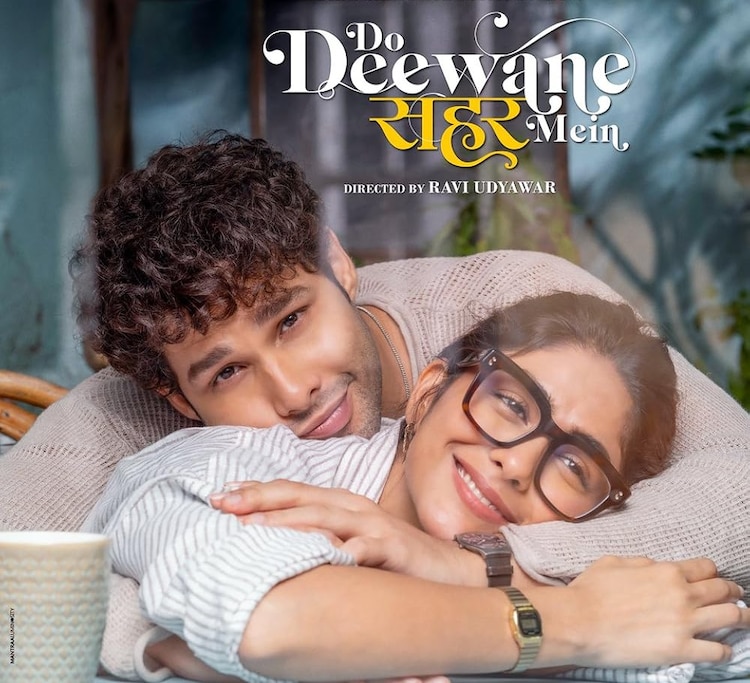
How many times have we looked in the mirror and felt like we weren’t enough? not pretty enough. Not confident enough. Not clear enough. And yet, love has this strange, beautiful way of seeing and filling with light the cracks we try to hide. In two crazy people in the citySiddhant Chaturvedi and Mrunal Thakur star in Ravi Udayavar’s directorial debut as two flawed, vulnerable individuals who craft a romance that’s rooted less in fairy-tale fantasy and more in delicate insecurities.
❮❯
The story starts with an arranged marriage meeting. Shashank, who hails from Patna and works in a Seoul-based electronics company, carries a quiet burden. A childhood speech issue, in which “sh” is pronounced as “s”, has shaped his personality more than he would like to admit. What may seem trivial becomes monumental in a corporate world built on presentations and global clients. He avoids the spotlight, avoids meetings, and chooses invisibility rather than vulnerability. Thankfully, she has a supportive boss and coworkers who see her potential.
Roshni, on the other hand, has grown up in the shadow of comparison. Since childhood, she has been told that she is the “less beautiful” sister and that she has a strange nose. Judgment comes not just from society but also from within his own family, even his mother. Over the years such comments have left scars that have yet to be erased. She hides behind oversized glasses, convinced that her nose is imperfect, convinced that she is not beautiful. A failed relationship further strengthens her belief that love is not for girls like her.
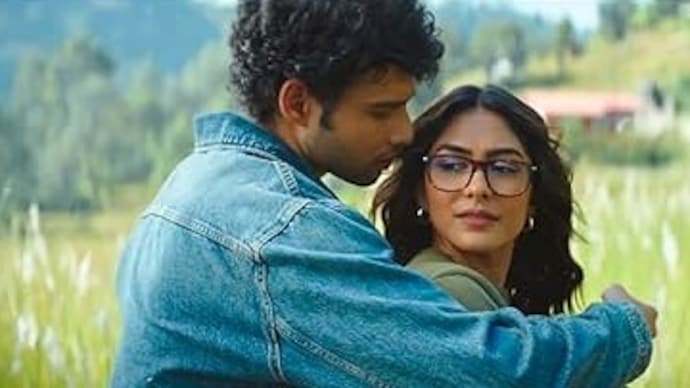
When Shashank and Roshni meet, they have undeniable chemistry. Sparks fly in quiet glances and silly jokes. But trauma often speaks louder than attraction. She rejects him immediately. It’s after this that the film becomes both fascinating and a little uncomfortable. Shashank persists; He is seen repeatedly asking her, ‘Why?’ In cinema, assertiveness is romanticized, but in reality, it can seem aggressive. The line between attraction and stalking is very thin and movies sometimes blur it. In another world, this could have easily been a cautionary tale, but here it begins a love story.
Once they get together, two crazy people in the city Establishes a comfortable rhythm. There is no melodrama; It feels new age – soft fights, long silences, typed messages that aren’t sent. One of the most relatable moments occurs after the conflict, when both try to move forward but stop themselves. In the age of constant online presence, the film gently highlights how emotionally isolated we often remain. Communication, today, more than ever, is the biggest struggle in relationships.
The conflict in their love story arises less from external villains and more from the never-healed wounds of their own childhood. And this is where the film resonates. It reminds you how deeply the formative years shape not only who we become, but also who we choose to be. Sometimes we fall in love not just with a person, but with the version of ourselves we want to be.
Roshni’s emotional climax comes when she sees herself through Shashank’s lens, literally. The photographs he takes of her become a kinder mirror than the known photographs of her. For the first time, he sees beauty instead of flaws. However, Shashank’s turning point comes from revisiting his childhood memories and overcoming his speech insecurities. There’s also an interesting paradox here: where Roshni finds healing through love and validation, Shashank reclaims himself to truly stand tall.
The film is visually pleasing and shows Mumbai from the perspective of a young couple. The cinematography relies heavily on close-ups, allowing the audience to sit unprotected. The songs blend seamlessly into the story and add emotional texture to the moment, though none remain particularly memorable after leaving the theater. a fickle La la Land-The inspired dance during the end credits adds a catchy flourish.
However, at many places the script loses its grip and the film begins to drag. Conflicts arise but are resolved almost too easily, not evoking a deep emotional response from the audience. Just when you expect the narrative to move further, it retreats into safety. Additionally, excessive ads at the beginning interrupt immersion, and noticeable censorship cuts affect the flow a bit.
Performance-wise, Siddhant Chaturvedi and Mrunal Thakur carry the film honestly. Siddhant captures Shashank’s inner insecurities with subtle restraint, while Mrinal brings a quiet vulnerability to Roshni. Their chemistry seems organic. Their silences speak louder than their dialogues. He makes you root for these characters even when the writing falters.
At the end, two crazy people in the city There is no grand cinematic spectacle. This is an everyday love story. It’s about two people who don’t think they’re enough, who slowly realize that maybe they are enough, at least for each other. The film makes you revisit your insecurities, your unsent messages, and your childhood wounds.