



Disney invests $1B in OpenAI, lets Sora use Star Wars, Marvel and Pixar characters: What this means for you
Disney has invested $1 billion in OpenAI and licensed its characters to the AI video tool Sora. The move highlights a new era in entertainment while Disney battles Google over copyright issues.
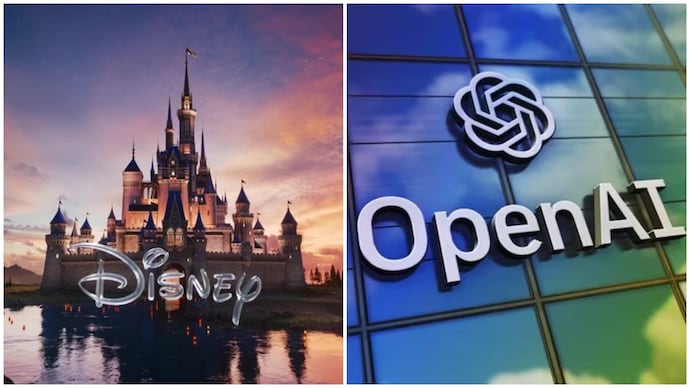

In one of the most surprising partnerships of the year, Disney is investing $1 billion in OpenAI and licensing hundreds of its most famous characters to appear in Sora, the company’s groundbreaking text-to-video generation tool. The joint announcement Thursday marks a bold new chapter for Disney and the role of generic AI in the future of entertainment.
The deal makes Disney the first major studio to license its creative library to an AI company, giving fans a way to create their own short videos using familiar faces from Disney, Pixar, Marvel, and Star Wars. But enthusiasm has been dampened by controversy: The same day, Disney sent Google a cease-and-desist letter, accusing the tech giant of illegally using its characters to train its AI systems.
Disney’s $1B bet on OpenAI
The partnership gives OpenAI’s Sora a big creative boost, and gives Disney a new frontier for fan engagement. Sora, released earlier this year, can instantly generate realistic video clips from written prompts. Soon, it will allow users to create and share short videos featuring more than 200 Disney-owned characters, from Cinderella to Captain America.
As part of a three-year licensing deal, selected user-generated Sora videos will also appear on Disney+, giving fans the chance to see their AI-powered creations showcased alongside official studio content. Disney will also become a major customer of OpenAI, using its technology to power new creative tools, internal services, and storytelling. The entertainment giant plans to launch ChatGPT for its employees, signaling a broader digital transformation at the company.
OpenAI CEO Sam Altman said the deal is an example of how the creative and tech industries can collaborate without crossing ethical boundaries. “This agreement shows how AI companies and creative leaders can work together responsibly to foster innovation that benefits society, respects the importance of creativity and helps works reach new audiences at scale,” he said in a statement.
Disney CEO Robert Iger echoed that sentiment, calling the partnership a milestone in combining creativity and AI responsibly. “It expands the reach of our storytelling through generative AI, while respecting and protecting creators and their works,” Iger said.
For Disney, the move is more than just an investment; This is a statement. By teaming up with OpenAI, the studio is positioning itself as a leader in ethical AI collaboration, while ensuring that the use of its iconic characters remains under strict creative control. But this comes after many Hollywood actors and creators raised questions over copyright issues. Read here.
Disney’s legal duel with Google
But as Disney opens its doors to OpenAI, it’s clashing with Google over alleged copyright abuse. On Thursday, Disney sent a cease-and-desist letter demanding that Google stop using its copyrighted characters to train its own AI models, including Vo (its video generator) and image tools Imagen and Nano.
According to the December 10 letter seen by The Associated Press, Disney has accused Google of “largely infringing Disney’s copyrights.” It cites examples of Google’s AI that easily recreates characters from Star Wars, The Simpsons, Deadpool and The Lion King, with Disney arguing that the material was clearly derived from its intellectual property.
Disney also claims that Google is “intentionally exacerbating” the problem by allowing AI-generated Disney content to circulate freely on platforms like YouTube. Despite months of discussion, Google has taken “no meaningful steps” to mitigate the problem, the company said. “Google’s massive infringement of Disney’s copyrighted works must stop,” the letter said.

Speaking on CNBC’s Squawk on the Street, Iger confirmed the controversy, saying that Disney had no choice but to take action after repeated conversations did not resolve his concerns. “We have been aggressive about protecting our IP and this is another example of us doing that,” he said. “Eventually, because we made no progress, we felt we had no choice but to send them a cease-fire.”
The clash with Google isn’t Disney’s first move in the ongoing AI copyright wars. The company has already issued similar legal warnings to Meta and Character.AI, and it has joined NBCUniversal and Warner Bros. Discovery in filing a lawsuit against MidJourney and Minimax, two AI firms accused of scraping copyrighted material for training data.
What does it mean to you
For fans, this new partnership could be both thrilling and thought-provoking. It opens the door to anyone who has a good idea, or just a hint, to create stories featuring their favorite Disney, Marvel, and Pixar heroes. Yet this reignites the debate over who owns creativity in the age of AI.
With its $1 billion investment in OpenAI, Disney isn’t just licensing the characters; This is shaping the rules of AI storytelling. And while it’s fighting Google to protect its intellectual property, the entertainment giant is making one thing clear: In the new world of generative media, magic still needs permission.