





Anthropic CEO says AI will do everything software engineers do in 12 months
Dario Amodei, CEO of Anthropic, says AI systems will soon be able to do almost everything a software engineer does today and that moment may come much sooner than many people expect.

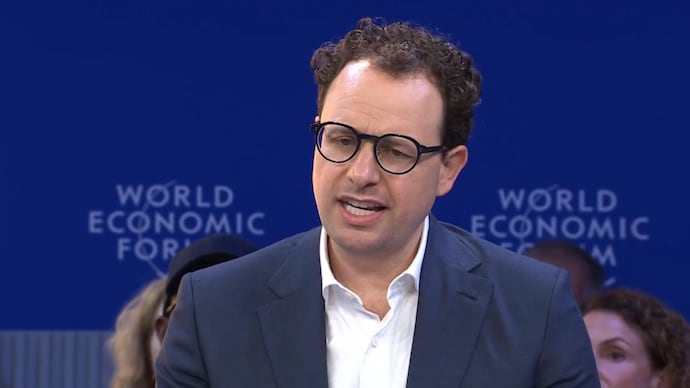


Anthropic CEO Dario Amodei has given one of the harshest warnings yet about how quickly artificial intelligence could transform the software industry. According to him, AI systems will soon be able to do almost everything that a software engineer does today and that moment may come sooner than many people expect.
Speaking at the World Economic Forum during a discussion with The Economist editor-in-chief Zanny Minton Beddoes and Google DeepMind CEO Demis Hassabis, Amodei said AI is moving towards taking over the entire software development process on its own. From writing code to completing full-fledged projects, he believes the gap between human engineers and AI systems is rapidly narrowing. “I think I don’t know that we may be six to twelve months away from the time when the model is working the most, maybe depending on what SWE ends up doing,” Amodei said.
His comments suggest a future where AI will not just assist engineers with small tasks but will take over the entire workflow. This includes planning, coding, testing, debugging, and final delivery. Amodei described this as “closing the loop”, where AI systems no longer require constant human input to take a project from start to finish.
This is not just a matter of theoretical concern. Amodei pointed to changes already taking place inside Anthropic. He said that some of the company’s engineers have largely stopped writing code by hand. “I have engineers at Anthropic who say I don’t write any code anymore. I just let the model write the code, I edit it. I do things around it,” he explained.
This change shows how the role of software engineers is already changing. Instead of building everything from scratch, developers are increasingly reviewing, improving, and guiding AI-generated code. The human role comes closer to decision making and oversight, while the machine handles execution.


Still, Amodei was careful to add that full automation is not guaranteed. He acknowledged that there are areas where AI still falls short. Tasks such as chip manufacturing and full model training are beyond what can be fully managed by AI. “I think there’s a lot of uncertainty,” he said, making it clear that not every part of the tech stack is ready for AI control.
Reaction to such predictions remains mixed. While warnings of job losses often instill fear, some in the developer community see an opportunity rather than a threat. There is a growing belief that individual developers can use powerful AI tools to build their own products faster and compete with much larger teams. From that perspective, AI reduces barriers rather than careers.