





After Code Red at OpenAI, Satya Nadella gets into founder mode to beat Google in AI
Microsoft CEO Satya Nadella is reportedly leading major changes within the company to stay ahead of rivals in the AI race. Nadella has restructured Microsoft leadership in an effort to eliminate any red tape hindering the development of the company’s AI models. Their efforts come at a time when OpenAI went into red alert following the release of Gemini 3 by Google.

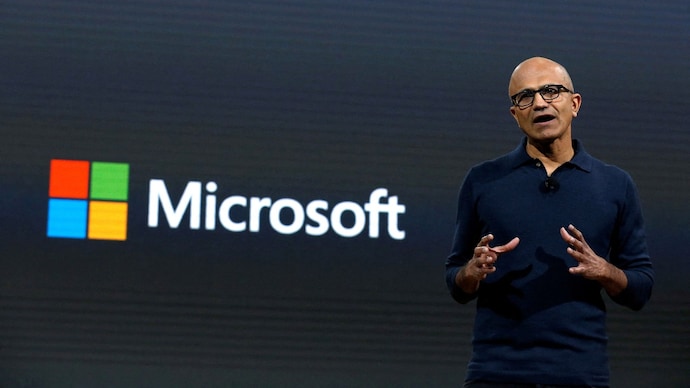


The technological landscape is changing as we speak. Tech giants are completely working on artificial intelligence (AI) and Microsoft is no different. Now, a report has emerged that Microsoft CEO Satya Nadella is putting himself in the driver’s seat to lead major changes within the company, which could allow the Redmond giant to beat Google and OpenAI in the AI race.
According to the Financial Times, Satya Nadella has initiated a sweeping change in Microsoft’s senior leadership through 2025. The moves follow a restructuring of Microsoft’s partnership with OpenAI, signaling a new phase in the company’s AI ambitions.
Microsoft isn’t the only company concerned about its position in the AI landscape. OpenAI went into code red mode after Google released Gemini 3. And now, it appears that Satya Nadella is pushing for major changes within Microsoft in a bid to beat Google.
Why is Satya Nadella in founder mode?
Key appointments this year include former Meta engineering boss Jay Parikh, who now leads Microsoft’s CoreAI unit, and the promotions of LinkedIn CEO Ryan Roslansky and commercial head Judson Althoff. Nadella’s strategy is to bring in leaders capable of breaking down the company’s traditional layers and rapidly increasing collaboration. According to Dee Templeton, Microsoft’s deputy chief technology officer, “Satya is in ‘founder mode’.” The term Founder Mode was coined by Silicon Valley investor Paul Graham, referring to a CEO’s highly hands-on leadership style compared to a solely managerial role.
Microsoft’s early gains in the AI field, including its $14 billion investment in OpenAI, have diminished after exclusivity terms expired, prompting Nadella to accelerate the company’s internal AI development efforts. Microsoft will lose exclusive access to OpenAI’s research and models after 2030.
A recent report also indicated that Satya Nadella had given an ultimatum to senior executives of the company to either get on board with his AI vision or consider leaving the company.
Microsoft still lags behind Google and OpenAI
Microsoft’s urgency is driven by both external and internal pressures. Google’s Gemini currently has 650 million active users, while OpenAI’s ChatGPT has more than 800 million. On the other hand, Microsoft’s Copilot AI assistant has an active user base of around 150 million monthly users.
Additionally, start-ups such as Anthropic, Anisphere, and Replit are making inroads into AI coding tools, threatening Microsoft’s share of the developer market. In response, Nadella has initiated weekly meetings with staff outside his executive team to spark new ideas and reduce bureaucratic friction. “Satya is trying to demonstrate a sense of urgency. The goal is to break out of some of the existing structures and make the path easier for them,” a Microsoft official told the Financial Times.
Satya Nadella recently appointed Google DeepMind co-founder Mustafa Suleiman to lead Microsoft AI efforts. Suleiman is given an independent budget and leeway in compensation to attract top talent.
With 16 direct reports and a consolidated leadership structure, Nadella is streamlining priorities to match clients’ growing needs. Despite internal adjustments and speculation about succession, people familiar with the company believe Nadella, now 58, is set to lead Microsoft for many years as it navigates an increasingly competitive AI landscape.