



US FDA approves first blood test to diagnose Alzheimer’s disease
The US FDA has approved the first blood test to detect Alzheimer’s disease in its early stages. This advancement promises easy diagnosis and earlier treatment options for millions of people facing cognitive decline.
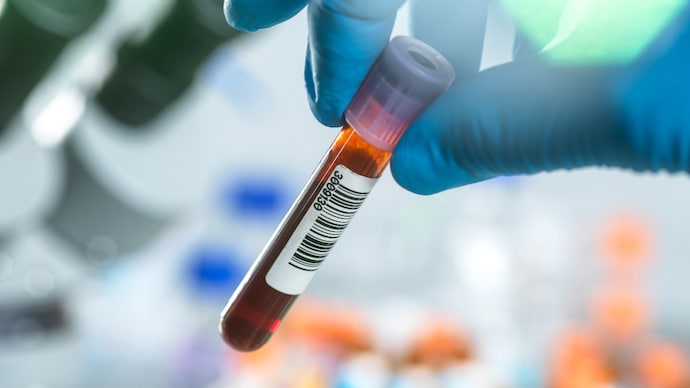
The US has approved its first blood test to help detect Alzheimer’s disease in its early stages, expecting millions of people facing destructive neurological conditions.
Alzheimer’s disease is the most common type of dementia in which a person’s brain begins to shrink with age. This brain disorder leads to memory loss and cognitive skills.
Symptoms of this disease deteriorate over time. The disease is believed to have caused the presence of two types of proteins in the brain: amyloid plaque and tau plaques.
Currently, there is no cure for Alzheimer’s, but drugs have been approved which slows down the progression of the disease.
The new blood test developed by fujirebio diagnostics, works by measuring the ratio of two specific proteins in the blood (amyloid and tau).

So far, these plaques can only be identified through expensive pet scans or aggressive spinal fluid tests.
The US Food and Drug Administration (FDA) announced approval on Friday, stating that experts believe that the disease may be an important point in diagnosis and managed.
FDA Commissioner Dr. Marti Makari said, “Alzheimer’s disease affects many people, more combined with breast cancer and prostate cancer,” FDA Commissioner Dr. Marti Makari said.
He said, “Knowing that 10% of people aged 65 years and above have Alzheimer’s, and by 2050 it is expected to double, I hope that new medical products such as new medical products will help this one patients.”
First detection means better treatment
The new blood test is not a standalone diagnostic tool, it is approved for use in clinical settings for patients that are already showing symptoms of cognitive decline.
But it promises a simple and more accessible method to screen for the disease, which may allow doctors to confirm the first of Alzheimer’s and start treatment when the most effective.
There are currently two FDA-unknown drugs, lekainmabs, and dononmabs, which target the amyloid plates associated with Alzheimer’s.
Not treating, these treatments have shown that they can slow down the progression of the disease, especially when it is started early. It makes timely diagnosis important.
Neurologist and Alzheimer’s advocates say that blood tests can help reduce the time it takes to bring patients into treatment.
FDA’s Center for Device and Radiological Health Dr. Mitchell Tarver said, “Today’s withdrawal is an important step for the diagnosis of Alzheimer’s. It makes the process easier and potentially more accessible for American patients in the disease.
Reliable and less aggressive
In diagnostic studies, blood tests compared more traditional clinical devices such as PET scans and spinal taps.
In the study, the new blood test correctly showed Alzheimer’s signals in about 100 people who had actually had, and correctly showed no signals in 97 out of 100 people who did not have it.
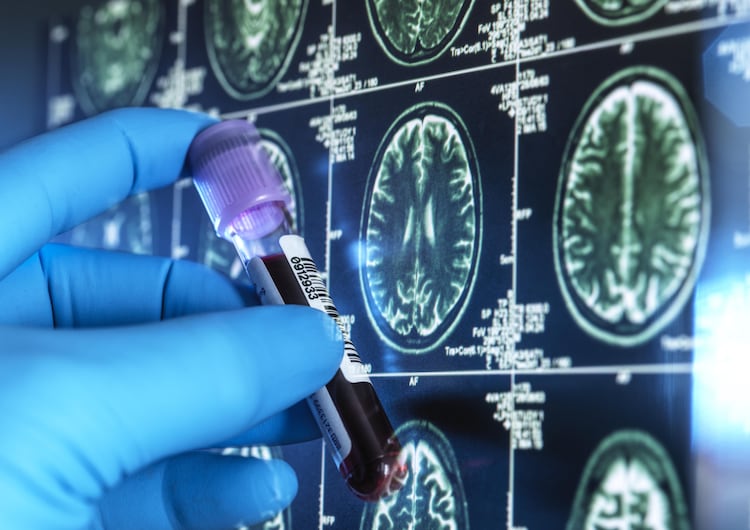
Only a small number of people, less than 1 in 5, get vague results from the test.
This means that blood tests are quite accurate in detecting whether anyone has early changes of Alzheimer’s brain, especially in those who are already showing memory problems, or not.
However, the test should only be used in hospitals or clinics where experts can check memory issues, and it should always be used with other health information from the patient, the FDA report warned.
The main risk of this test is that it can sometimes give incorrect results, either by saying that someone has signs of Alzheimer’s when they do not do (false positive), or remember the disease when it actually is there (wrong negative).

Alzheimer’s gradually eradicates memory, decision-making ability and ultimately, freedom.
As the age of population, the number of people affected by the disease is estimated to increase dramatically.
This blood test can also help reduce the emotional and financial toll of delayed diagnosis, some families experience when symptoms are incorrect for normal aging or completely remember.
Although this test is not yet widely available, its FDA approval opens the door for widespread adoption in hospitals and clinics across the country, says experts say.