



Running an app store is a profitable business – one that platform creators are keen to protect. The same used to be the case with Google, but a 6-year legal battle with Epic Games has come to a surprising end, which will make third-party app stores more accessible.
The story began in 2020 when Epic sued Google, alleging that Google held a monopoly in the Android app distribution market and in-app billing services. A jury sided with Epic, but after it went through an appeals process, ultimately, the two companies reached a settlement agreement in 2025.
According to the agreement, Android would have been opened up to install third-party app stores – but only those approved by Google as part of its “Registered App Store” program. And as an added hurdle, these third-party app stores must be sideloaded by the user.
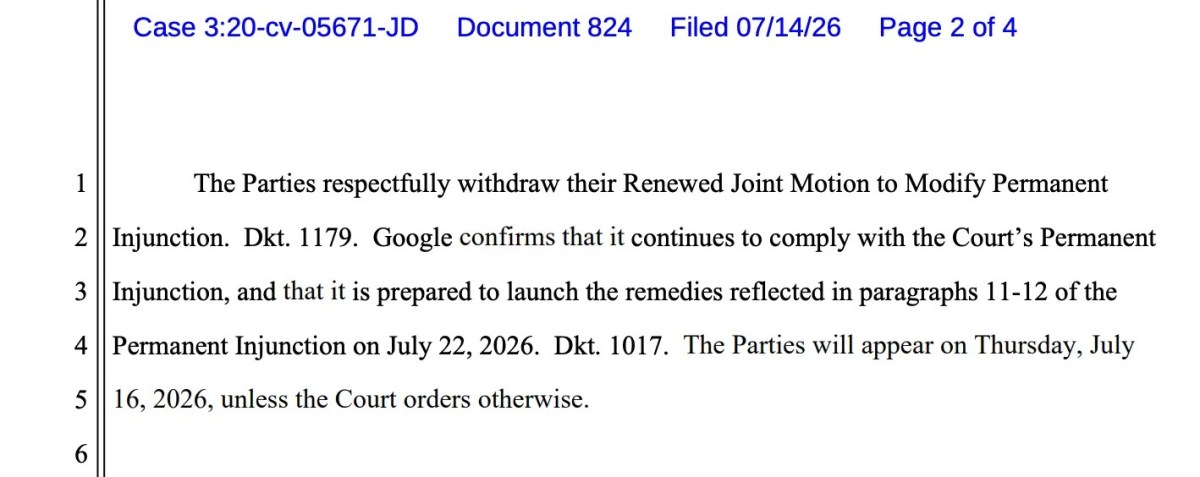
Now, The Verge Google and Epic are reportedly breaking the deal and the search giant will open the doors now – starting next week (July 22), third-party app stores will be able to be installed from the Google Play Store for users in the US.
The process to get a third-party app store accepted into the Google Play Store will still be ongoing (more details here). That said, many users aren’t comfortable with sideloading, so this is a big win for the likes of Epic Games (and we imagine other big publishers will be on board as well).
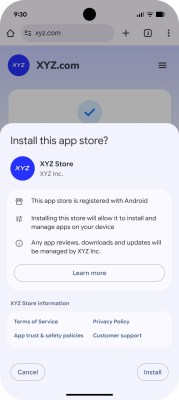
Process to set up a registered app store

Again, this is for the US market. For the global market, Google is moving ahead with its Registered App Store plan. This is still a good thing as Google will be reducing its service fees – the in-app purchase fee will be reduced to 20% and the recurring subscription fee will be reduced to 10%.
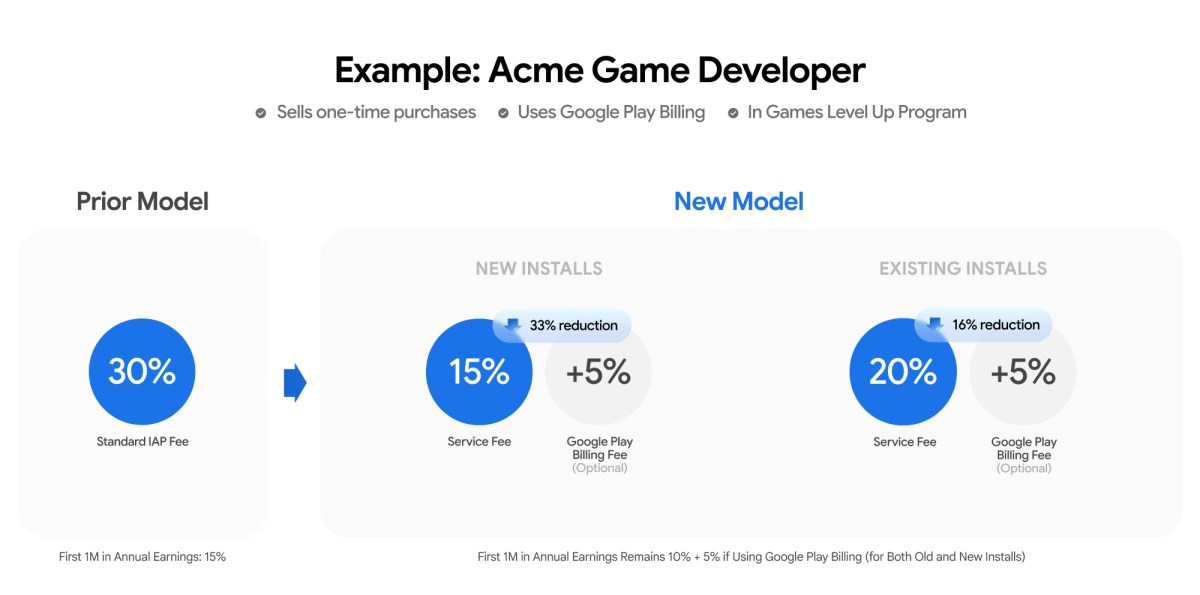
Google Play’s revised fee structure
Also, app developers will be free to use third-party billing for their apps and games – but if they choose Google Play’s billing system, they will have to pay lower fees than before. Developers in the European Economic Area, the UK and the US are considering a 5% fee. More details here. Note that the changes are already in effect in some regions, but the global deadline is the end of September 2027.