



The sudden emergence of Mojtaba Khamenei as Iran’s new supreme leader has attracted global attention and raised important questions about the future of the Islamic Republic. His appointment follows the death of his father Ali Khamenei, who ruled the country for more than three decades and shaped its political, military and ideological direction.For years, Mojtaba Khamenei was a shadowy but influential figure within Iran’s power structure. Despite rarely appearing in public or speaking to the media, he exerted considerable influence behind the scenes. With his elevation to the position of Supreme Leader, he has now become the most powerful authority in Iran, controlling the country’s armed forces, intelligence apparatus, judiciary, and key aspects of domestic and foreign policy.His rise represents a dramatic change for the Islamic Republic and has sparked debate over whether Iran’s leadership is beginning to resemble the dynastic system that the 1979 revolution originally sought to end.
Mojtaba Khamenei’s early life and religious background
Mojtaba Khamenei was born in 1969 in Mashhad, a major religious city in northeastern Iran. As the son of Ali Khamenei, who later became the country’s supreme leader, he was raised in one of the most powerful political families in the Islamic Republic.Like many members of Iran’s clerical elite, Mojtaba pursued religious studies. He attended the madrassas of Qom, the most important center of Shia Islamic scholarship in the country. There, he studied Islamic jurisprudence and theology, preparing for a career within the clerical establishment that is the backbone of Iran’s political system.
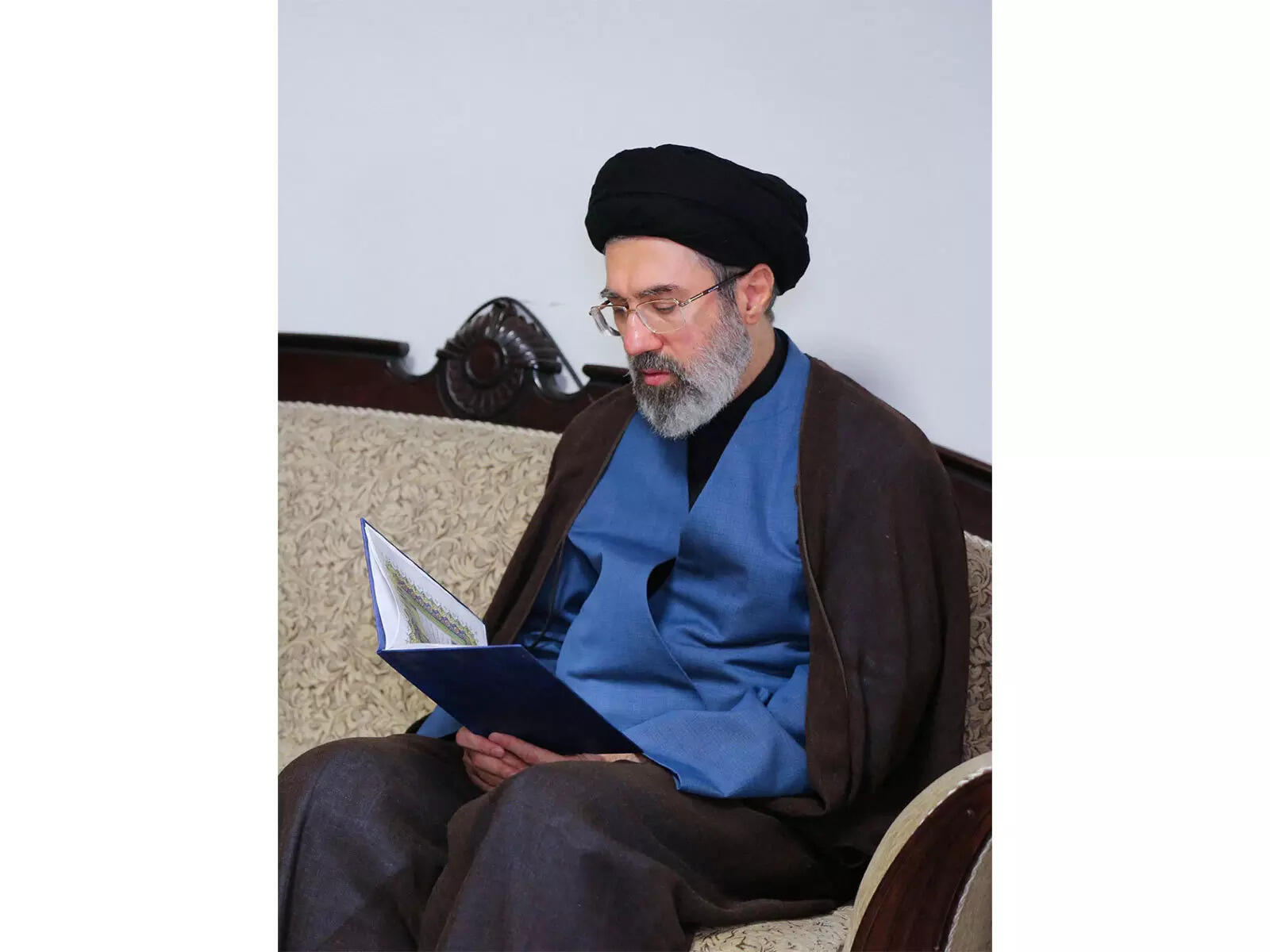
Mojtaba Khamenei named new supreme leader of Iran, state media reports
Despite his theological training, Mojtaba was never widely known as a public religious scholar or political speaker. Instead, he developed a reputation as a strategist and political operator working behind the scenes.
Mojtaba Khamenei’s quiet but powerful influence in Iran
Although Mojtaba Khamenei did not hold any official government positions for most of his career, many analysts believe that he exercised significant influence inside the office of the Supreme Leader. Observers often described him as his father’s “gatekeeper”. Access to the Supreme Leader, one of the most powerful political figures in the Middle East, was strictly controlled and it was widely believed that Mojtaba played a major role in deciding who could meet with him and what issues would reach his attention.Over time, this position helped him build a network of connections within Iran’s political elite. He became closely associated with senior clerics, intelligence officials and commanders of the Islamic Revolutionary Guard Corps, often known as the IRGC. The IRGC is one of the most powerful institutions in Iran, controlling significant military capabilities as well as large parts of the country’s economy. Analysts say Mojtaba’s strong ties to the group strengthened his influence within Iran’s power structure.
Allegations and controversies related to Mojtaba Khamenei
Mojtaba Khamenei has also been a controversial figure, especially among critics of the Iranian government. His name came to prominence during the protests that followed the disputed 2009 Iranian presidential election. Several opposition figures accused him of playing a role in organizing political support for the re-election of then-President Mahmoud Ahmadinejad and helping to coordinate the state response to the demonstrations.The protests, known internationally as the 2009 Iranian Green Movement, were one of the largest demonstrations in Iran since the revolution. The government’s action was condemned internationally. In 2019, the United States government imposed sanctions on Mojtaba Khamenei, accusing him of representing his father’s interests and supporting policies that restrict political freedoms inside Iran.
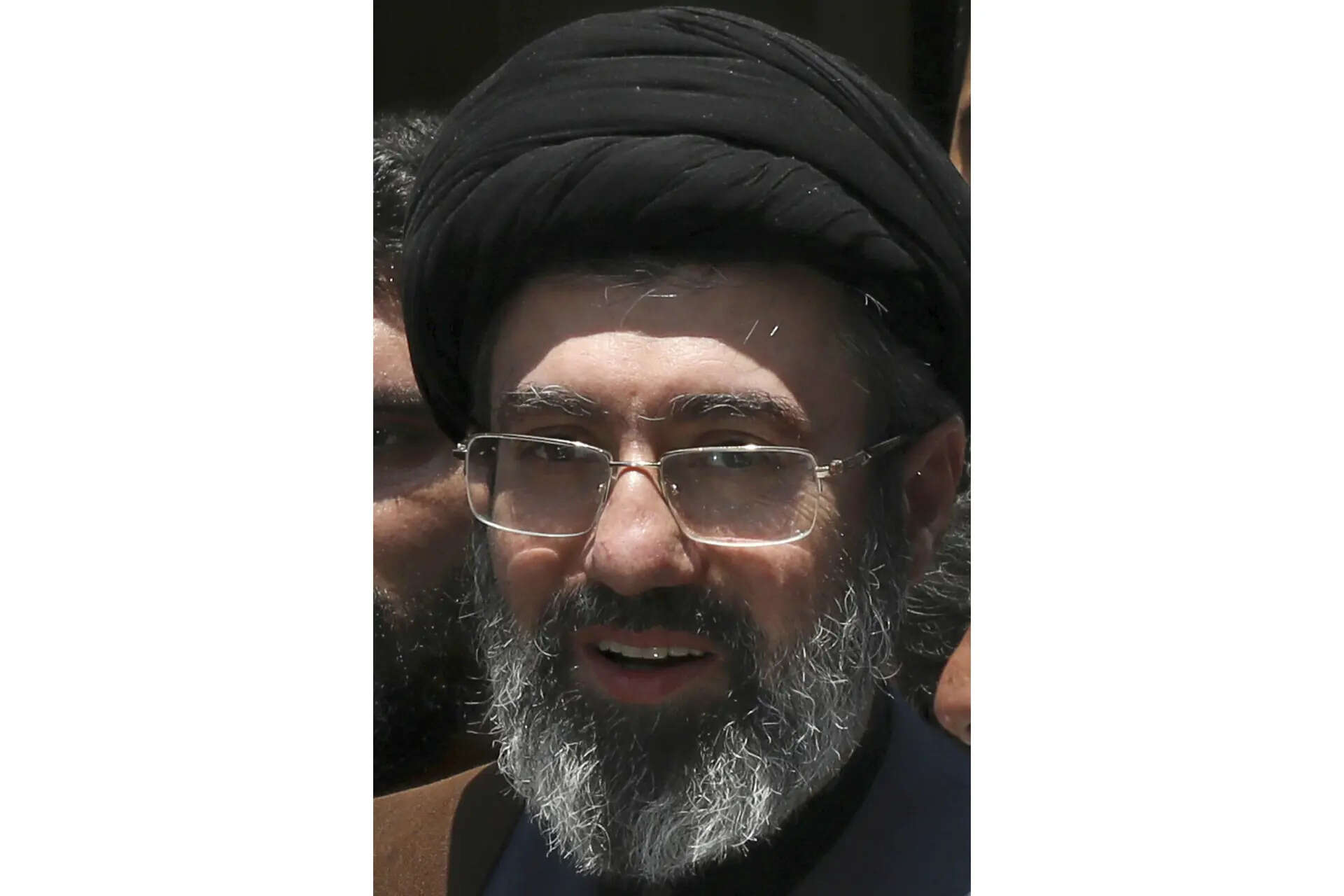
Who is Mojtaba Khamenei, son of Ayatollah Ali Khamenei, the new supreme leader of Iran? File photo of Mojtaba Khamenei during a public religious event in Tehran. file photo
Supporters of the Iranian leadership reject these allegations and argue that such claims are politically motivated and part of broader Western pressure on Tehran.
There has been long speculation regarding the succession of Mojtaba Khamenei

For more than a decade, analysts and diplomats had speculated that Mojtaba might eventually succeed his father as supreme leader. The possibility was controversial because Iran’s political system is theoretically designed to prevent hereditary rule. The country’s constitution states that the supreme leader should be chosen by the Assembly of Experts, a council of senior clerics tasked with selecting and overseeing the country’s supreme authority.However, Mojtaba’s proximity to the center of power and his connections within Iran’s security establishment led many observers to believe that he was positioning himself as a potential successor. His critics warned that such a transition would resemble a political dynasty, undermining the revolutionary ideals that replaced Mohammad Reza Pahlavi’s monarchy during the Iranian Revolution.
Role of supreme leader in Iran
The position Mojtaba Khamenei now holds is the most powerful office in Iran. Unlike the presidents or prime ministers of many countries, Iran’s Supreme Leader has ultimate authority over almost every branch of government. The role includes command of the armed forces, oversight of the judiciary, and the power to appoint key individuals such as military commanders and heads of state media.The Supreme Leader also plays a decisive role in shaping Iran’s foreign policy and nuclear strategy. This authority means that Mojtaba will now influence decisions that affect not only Iran but also the broader Middle East and global geopolitics.
Mojtaba Khamenei’s leadership during Iran’s crisis and war with America-Israel
The coming to power of Mojtaba Khamenei is an extremely unstable moment for Iran. The country faces a number of challenges, including economic sanctions, domestic political tensions and increasing regional conflicts. Relations with Western powers remain tense, particularly over Iran’s nuclear program and its involvement in conflicts in the Middle East.
TEHRAN: Mojtaba Khamenei, son of late Ayatollah Ali Khamenei, has been elected as the new supreme leader of Iran by the country’s Assembly of Experts, according to a latest media report.
Additionally, Iran has experienced waves of domestic protests in recent years, reflecting growing frustration among some segments of the population over economic hardship and political sanctions. As the new supreme leader, Mojtaba will have to deal with these complex pressures while maintaining support from Iran’s powerful security institutions and religious leadership.Experts are divided over what Mojtaba Khamenei’s leadership will mean for the future of Iran. Some analysts believe that his close ties with the Revolutionary Guard may strengthen the influence of security institutions in Iranian politics. Others argue that his years of experience in the leadership field may allow him to maintain continuity and stability during difficult periods.However, critics worry that his leadership could lead to a more hardline stance domestically and internationally. Ultimately, Mojtaba Khamenei’s tenure will likely shape Iran’s political trajectory in the years to come. As the country’s third supreme leader since 1979, he inherits a powerful but complex system that faces unprecedented regional tensions and internal challenges. Whether he will emerge as a unifying leader or a polarizing figure will depend on how he manages the immense authority he now holds in his hands.