



2025 was a good year for Vivo as it continued to innovate and upgrade its solid lineup of devices. But the manufacturer also faced challenges, such as getting many of its best phones to markets outside China and India. Overall a great performance, but not without some disadvantages.
Winners and Losers: Vivo X200 Ultra
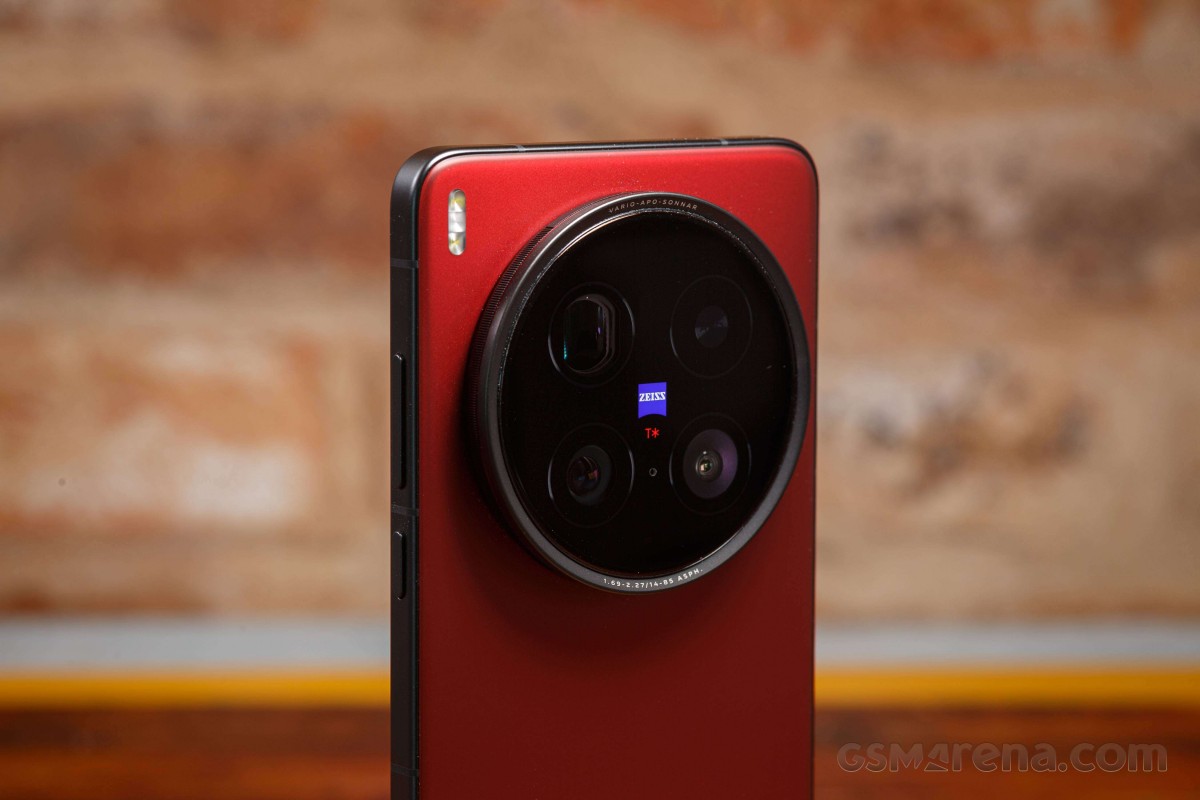
Like last year’s X100 Ultra, the Vivo X200 Ultra is one of the best phones on the market, yet it hasn’t managed to spread its immense talent beyond China.
The
The addition of a 35mm main camera compared to the 24mm available in the mass market and giving the And, in practice it was an excellent performer!
But the fact that most people globally couldn’t get their hands on the X200 Ultra would ultimately kill its potential.
Loser: Vivo X Fold5
We had high expectations for the Vivo And the X Fold5 looked great on paper. It’s somewhat of an engineering marvel – it’s light and thin, yet has a big display and a massive 6,000mAh battery. The camera system looked good even on paper.
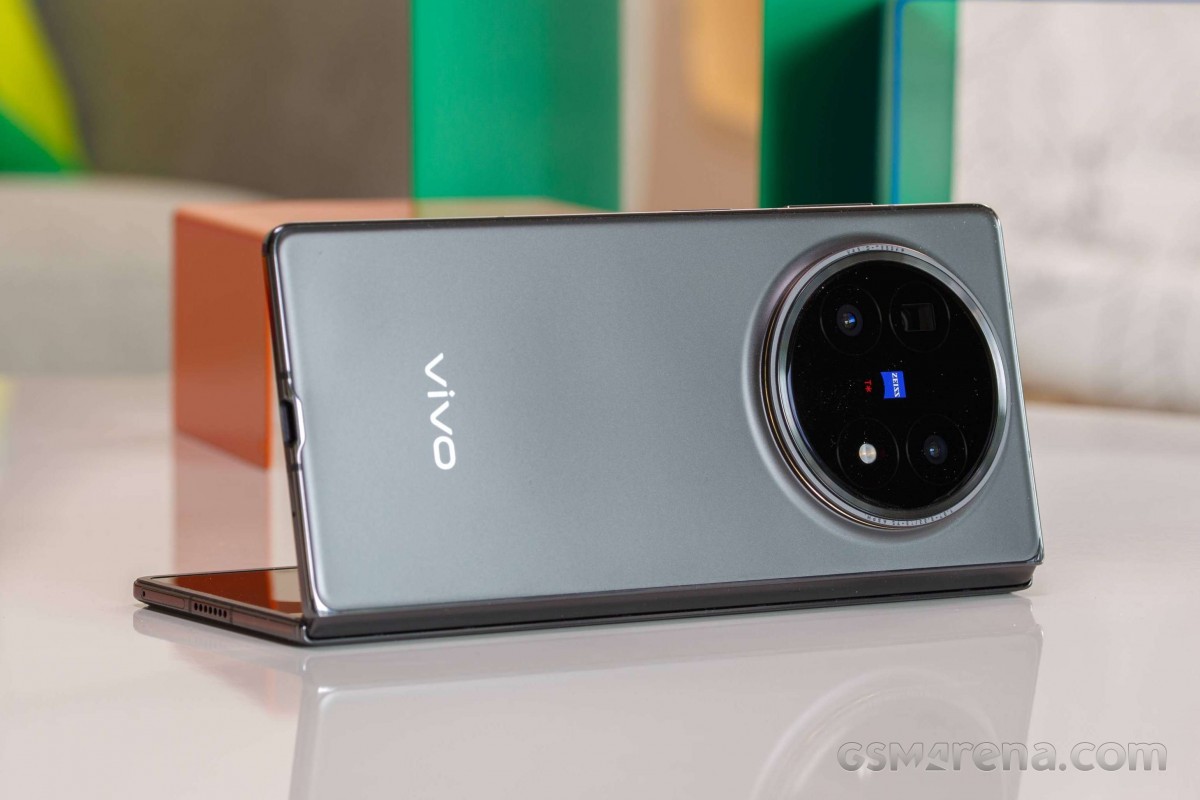
However, the X Fold5 came with an older chipset in the Snapdragon 8 Gen 3, which was the same SoC as its predecessor. And we found that the cameras underdelivered in practice, something we didn’t expect from any Vivo (let alone a Zeiss-branded one). Add limited global availability, and the Vivo X Fold5 falls short of its potential.
Vivo X Fold5 5G
| 512GB 16GB RAM | ₹ 149,998 |
|
| Show all prices | ||
Winner: Vivo X200 FE
The Vivo X200 FE is a globally available compact flagship with excellent cameras, a massive 6,500mAh battery that offers solid stamina and top-notch performance. Nothing to complain about!

Vivo X200 FE 5G
| 512GB 16GB RAM | ₹ 59,998 |
|
| 256GB 12GB RAM | $721.14 |
€659.00 |
| Show all prices | ||
Winner: Vivo V60
Vivo V60 is a great addition to Vivo’s popular and stylish upper midrange V series. On the surface, the V60 didn’t change much from its direct predecessor, the V40. But the small changes Vivo has made are still worthwhile – the Snapdragon 7 Gen 4 compared to the Gen 3, and a 15% larger battery at 6,500mAh. You also get a triple camera system with a proper 73mm telephoto camera (only the V40 Pro had a zoom, and it’s 50mm).
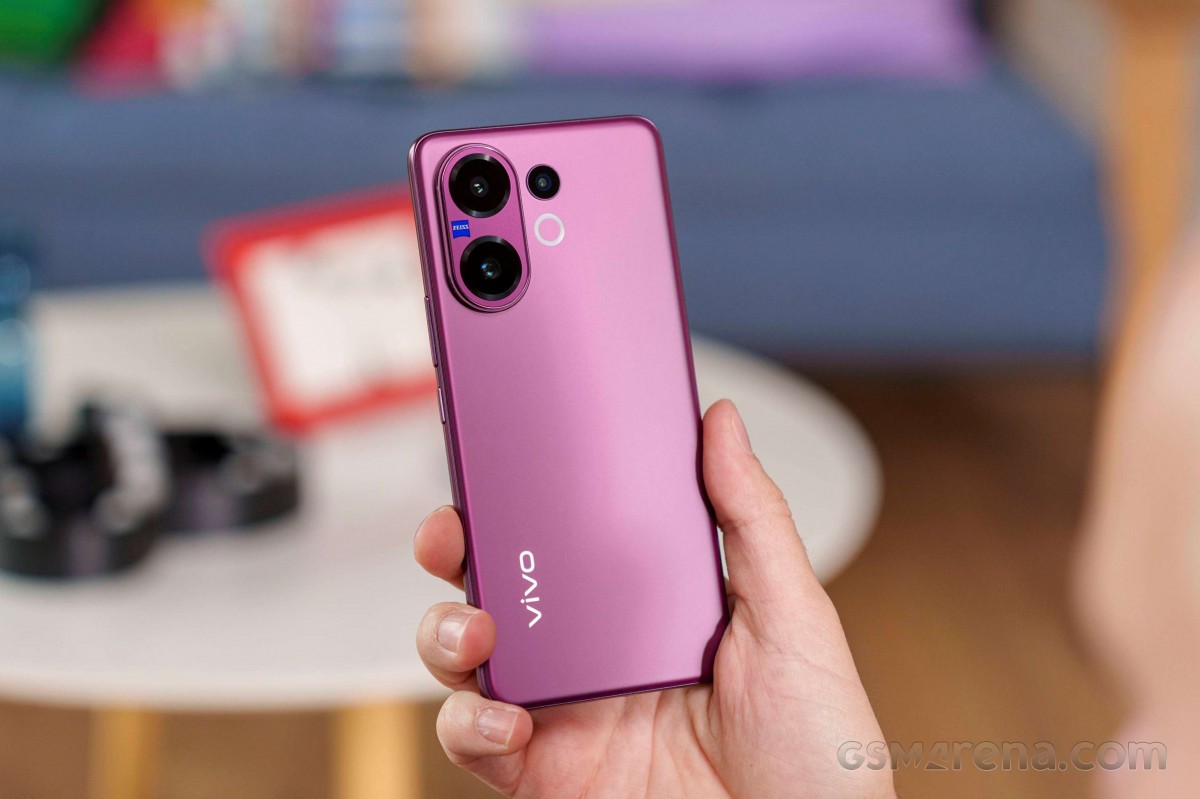
What remained mostly unchanged was that there was no need to upgrade – the amazing 50MP selfie camera, the exceptional (and protected, IP68/IP69) design, and the excellent display.
Loser: iQOO 15
The iQOO 15, similar to the X Fold5, seemed like a great upgrade over its predecessor, but proved inconsistent in our testing. Version 15 brings the usual upgrades – the new flagship Snapdragon chip, a bigger battery and an improved zoom camera. But you’re getting slower 100W charging (vs 120W), underwhelming zoom camera performance, and worse sustained performance compared to the iQOO 13. This is not a good look for a gaming flagship.
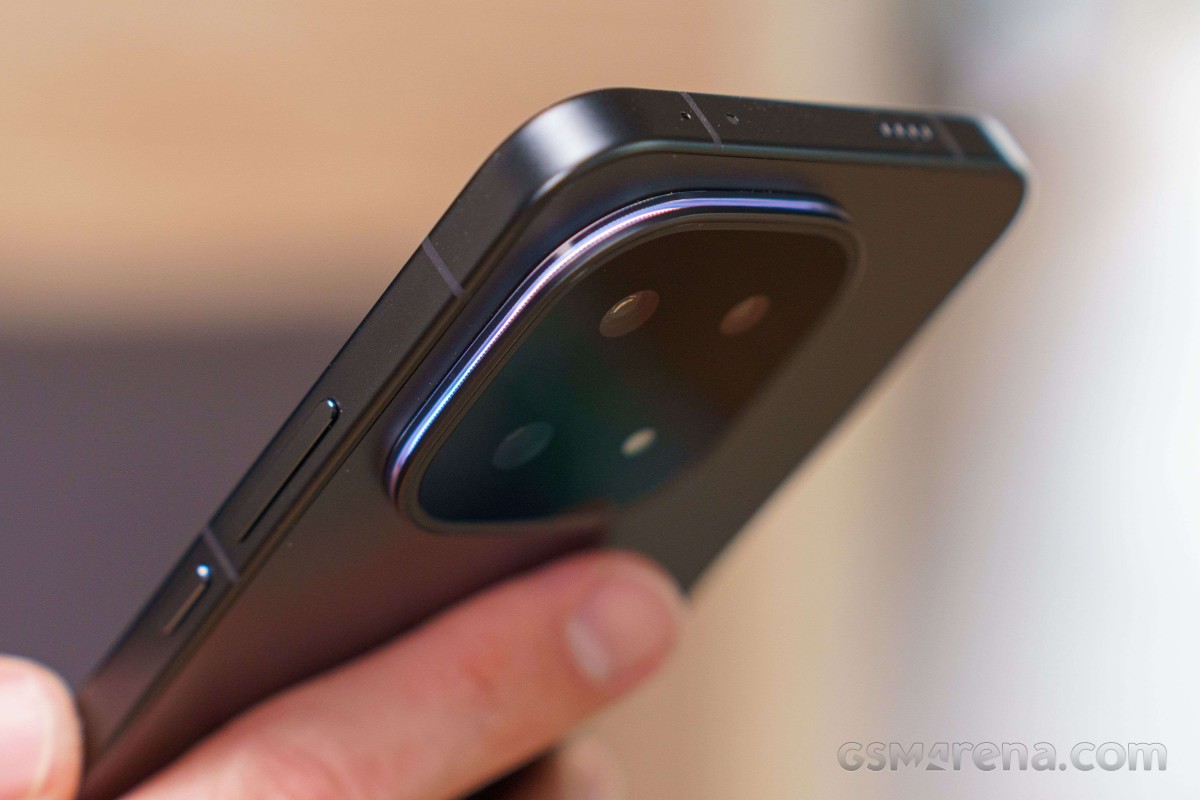
The iQOO 15 is also among those Vivo phones that can only be purchased in China or India, making its accessibility quite limited.

Vivo iQOO 15 5G
| 256GB 12GB RAM | ₹ 72,999 |
|
| 512GB 16GB RAM | ₹ 79,999 |
|
| Show all prices | ||
Winner: Vivo X300 and X300 Pro
The Vivo X300 created an identity for itself that its predecessor lacked. The X200 was a watered-down version of the X200 Pro, while the X300, so to speak, is its own man. It’s a compact phone with a great triple camera, powerful chipset and a big, great battery.
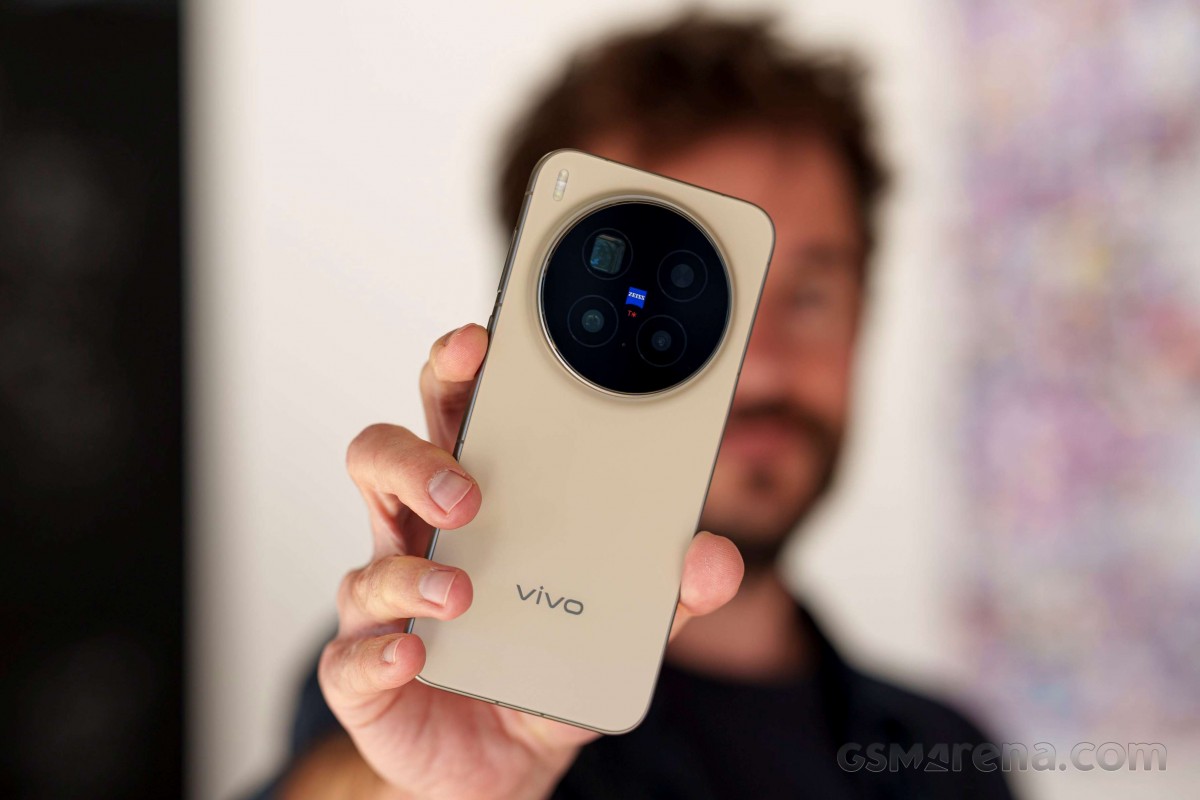
The Vivo You get a much-needed selfie camera upgrade, increased battery capacity, a new chipset, and the same flagship-level camera system.
We’re deducting points from both the X300 and X300 Pro for lower battery capacity in the EU; However, this is not enough to push these two into the loser’s bracket.
Vivo X300 5G
| 256GB 12GB RAM | ₹ 75,999 |
€949.35 |
| 512GB 12GB RAM | ₹ 81,999 |
|
| Show all prices | ||
Vivo X300 Pro 5G
| 256GB 12GB RAM | $819.00 |
$1,099.00 |
| 512GB 16GB RAM | ₹109,999 |
$1,099.00 |
| Show all prices | ||