





Why Google wants you to avoid using public Wi-Fi at all costs
Google has issued a warning to users using public Wi-Fi networks. The company highlights that these free networks are often unsecured, making them easy entry points for cybercriminals. Attackers can exploit these open networks to intercept and steal sensitive information such as your bank logins, personal data and private messages.

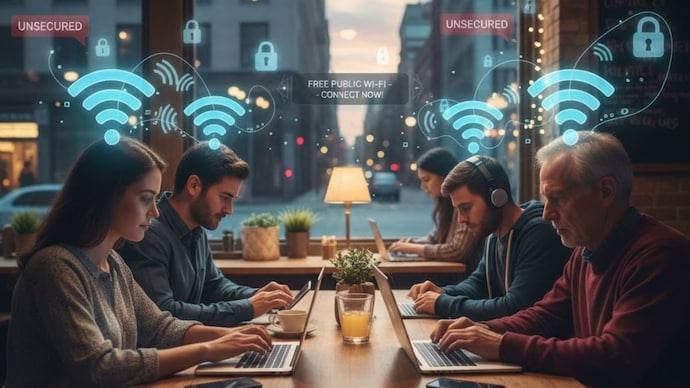


Do you often use public Wi-Fi? Well, you may want to reconsider before connecting to the free internet connections available. Google is urging smartphone users to be more cautious about accidentally connecting to public networks. The tech giant has warned that open Wi-Fi, whether in cafes, airports or hotel lobbies, can be an easy entry point for cyber criminals. Cyber attackers can exploit unsecured networks to intercept sensitive information including bank logins, personal data and private chats.
The advice comes from Google’s latest Android: Behind the Screen report on text-based scams, which flags public Wi-Fi as a growing security risk amid rising mobile-focused fraud. The company is asking smartphone users to avoid public Wi-Fi where possible, especially when accessing banking, online shopping, or accounts containing financial or personal details.
Increasing mobile scam cases
The warning comes at a time when digital scams are on the rise in India and becoming increasingly sophisticated and financially damaging. According to Google, mobile scams have grown into a global underground industry, designed to cause huge financial losses and emotional distress. The report estimates that scams bilked consumers around the world of more than $400 billion last year, with only a small percentage of victims recovering their money.
How scammers are duping people
As technology is advancing, scammers are also evolving at the same pace. Google notes that cybercriminals are now running structured, almost business-like operations, purchasing stolen phone numbers, using automated systems to destroy messages, and relying on phishing-as-a-service platforms to mimic trusted websites and steal credentials.
These fraud networks are also highly active. Scammers are managing to move their operations to isolated areas where SIM cards are cheaper and easier to obtain, allowing them to launch large-scale campaigns with less resistance. Some scams also cast a wide net with fake delivery alerts, unpaid bill messages or tax warnings. Others follow a slower, more personal approach, such as impersonating job recruiters or creating fake romantic relationships, to gain trust before stealing large sums of money.


emotional manipulation to steal money
While technology and tactics play a big role, scammers are also using psychological manipulation to target individuals. They are sending such messages which are designed to spread panic. For example, claims that your account has been locked or that your driver’s license is being suspended. These messages create a sense of urgency and lead people to react immediately without thinking. Scammers are also increasingly using group messages, adding collaborators to the chat to make the conversation seem legitimate and convince multiple people at once.
how to stay safe
To stay safe, Google recommends avoiding public Wi-Fi unless absolutely necessary. If you must use it, avoid logging into bank accounts or entering sensitive information. Disable auto-connect settings and always check that the network is genuine and encrypted.
In addition to Wi-Fi habits, Google also recommends slowing down before responding to unexpected messages, verifying contacts through official channels, keeping software and security updates up to date, and regularly checking bank and credit statements for suspicious activity.