





Tech in 2025: iPhone 17 becomes super phone, life difficult for Android
One of the best phones of the year 2025 is the iPhone 17, thanks to its advanced hardware. For most users this phone was almost as good as the Pro iPhone. This was good news for users, and bad news for high-end Android phones.

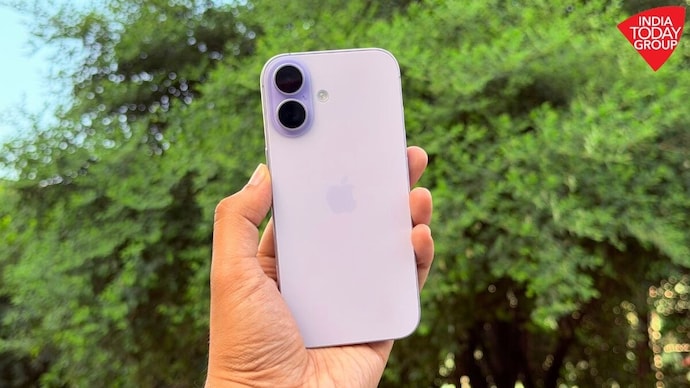


Let’s start with a question: If your budget is Rs 80,000, which flagship phone should you buy? I bet the first choice of many of you will be iPhone 17. That’s because when we look to 2025, it’s easy to see that the iPhone 17 has been one of the best phone launches of the year. It came with advanced hardware that almost eliminated all the major objections against the non-Pro iPhone. This was good news for users, bad news for high-end Android phones.
There were two particular ways in which the iPhone 17 countered its Android competitors. There was better hardware, which brought it much closer to the iPhone 17 Pro. And its price was two. In a year that saw a serious increase in price for all high-end Android phones, the iPhone 17 actually came with a lower price! The previous iPhone with 256GB was priced at Rs 89,900. The 256GB iPhone 17 came in at Rs 82,900, however Apple removed the cheaper 128GB, Rs 3000 variant from the lineup.
Apple fixes the iPhone’s biggest complaint
Priced at around Rs 80,000, if you’ve ever argued about iPhones vs Androids with your friends, you already know where it starts: the display. Until the iPhone 16, the 60Hz refresh rate was the biggest weakness in Apple’s non-Pro phones. Even loyal iPhone users admit this. Yes, the phone was smooth, but once you used high-refresh-rate Android, going back felt slow. Even for someone who didn’t really use faster refresh rates, getting a 60Hz display felt like a disappointment.

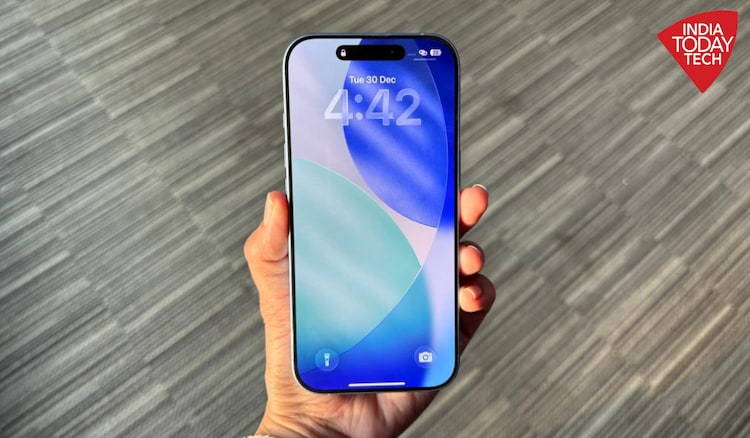
Apple fixed this with the iPhone 17. In the process it also destroyed the logic that suggested choosing an Android phone over a basic iPhone at this price.
The iPhone 17 comes with a 6.3-inch OLED Super Retina XDR display with a 120Hz refresh rate. In other words, the latest vanilla iPhone no longer feels like it’s stalling. Especially in an age where Android phones are experimenting with 165Hz refresh rates, this change makes a lot of sense. For many buyers who previously said, “I’d get an iPhone if it had a smoother screen,” this was the model they’d been waiting for.
performance still the best
On paper Android phones have more RAM or faster charging speeds. But in day-to-day use, the iPhone 17 with the A19 chip paired with iOS 26, with Apple’s promise of all-day battery, feels effortlessly fast. That’s the key word here: comfortable.
During our review, we really enjoyed using the iPhone 17. Apps opened instantly, multitasking felt seamless, and even heavy games ran smoothly without worryingly heating up the phone. Apple doesn’t advertise the iPhone 17 as a gaming phone, or call it that fast or that fast, but compared to the chipsets found in high-end Android phones, the A19 is incredibly fast and power-efficient. It may not have Dragon or Dimension in its name, but Apple’s chipset architecture remains the best in the business. And the A19 is a good example of this, just like the A18 was before it.
Cameras that match the Pro
Another area where Apple has quietly closed the gap is the camera. The iPhone 17 comes with a 48-megapixel Fusion main camera and a 48-megapixel ultra-wide camera, and this setup is quite close in performance to the iPhone Pro, even though the main sensor is different. When we reviewed the phone, we found that the iPhone 17 clicks sharp photos with natural colors and pleasant dynamic range. The ultra-wide camera is also exceptionally good.
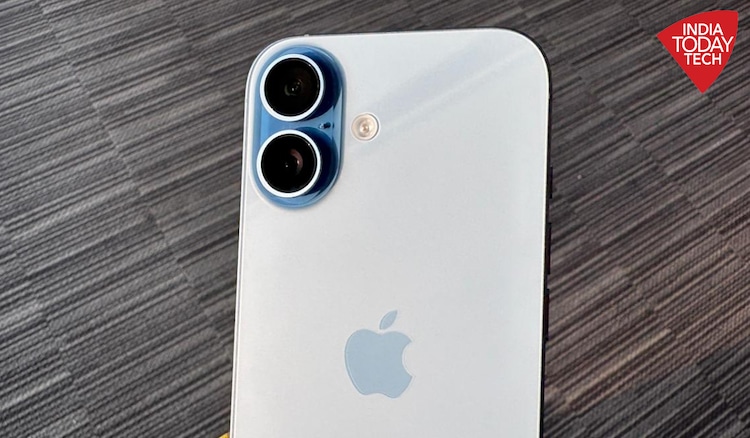


Then there is the 18-megapixel center stage front camera. The iPhone 17 has the same selfie camera that is also inside the iPhone 17 Pro. Its selfie camera is not only capable, but fantastic. This is arguably the best you can get, with the trick of clicking landscape selfies in portrait mode due to its “square” image sensor.
Now, it lacks an additional lens compared to some Android phones. Say a zoom lens, although the iPhone 17 offers “optical quality” 3X zoom. But that extra lens is not there. Instead, you get a camera system in its place that’s reliable, easy to use, and almost always great to use.
you get it for the ecosystem
Specifications aside, if there’s one thing where Apple continues to play a different game and win like a pro it’s its ecosystem. For many people, the iPhone is the entry point into Apple’s ecosystem and the pathway to discovering more Apple devices like the Apple Watch or AirPods. For some, it even closes the entire loop. With the iPhone 17, Apple continues to offer what it does best, and the latest iOS 26 feels polished, stable, and deeply integrated.
It’s a combination of the brand image of Apple, iOS 26, better hardware – especially the display and front camera – and the Apple ecosystem that makes trouble for high-end Android phones.
Android phones also improved in 2025. In this price segment they were more powerful, innovative and offered good value for money. Still, the iPhone 17 gave them a shock that the iPhone 16 couldn’t handle. That’s because with the iPhone 17, there are almost no compromises at this price. With a smooth display, strong cameras, fast and stable performance, plenty of storage, and the Apple ecosystem, the iPhone 17 feels complete in ways that most Android phones in this price segment don’t.