



Sulfate in Toothpaste: Is It Good or Bad for You?
Despite its benefits, SLS in toothpaste may cause minor damage to the cells lining the oral cavity. Natural renewal of the oral epithelial lining with saliva usually prevents any noticeable damage from its use.
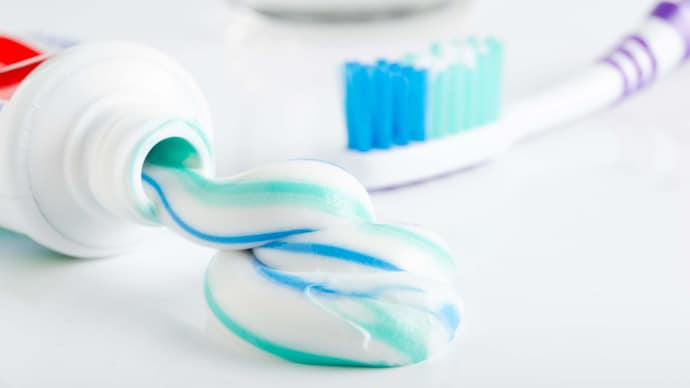
Everyday household items like shampoos, soaps, cleansers, and detergents contain chemicals that make them foamy. This foaming agent, known as sodium lauryl sulfate, or SLS, is also present in toothpaste and may not always be very beneficial for your oral hygiene.
Sodium lauryl sulfate is a surfactant, which means it can be used for cleaning due to its foaming agent.
Although it has never been classified as a carcinogen (cancer-causing substance), SLS can cause irritation when it comes into contact with the skin or mucous membranes, especially in high concentrations or with prolonged exposure.
In toothpaste, SLS is typically used at a concentration of 0.5-2%. After brushing for two minutes, the effect of SLS becomes minimal.
However, SLS has antimicrobial properties, which help maintain oral health by penetrating bacterial cell walls.
Despite its benefits, SLS can also cause minor damage to the lining cells of the oral cavity. Natural renewal of the oral epithelial lining with saliva usually prevents any noticeable damage from its use.
“Sodium lauryl sulphate exhibits antimicrobial activity by penetrating the cell wall of bacteria and maintains a healthy mouth. But the lining cells of the oral cavity can also be damaged. The presence of saliva, the ever-renewing epithelial lining of the oral cavity, prevents any direct damage from oral use,” Dr Parthasaradhi Reddy, founder-president of FMS Dental Clinic, told IndiaToday.in.
Anyone who has used toothpaste containing SLS will know that there is a momentary change in taste after brushing, which does not last more than 10 to 20 minutes.
Despite this minor inconvenience, many users prefer the feeling of freshness that SLS toothpaste provides.
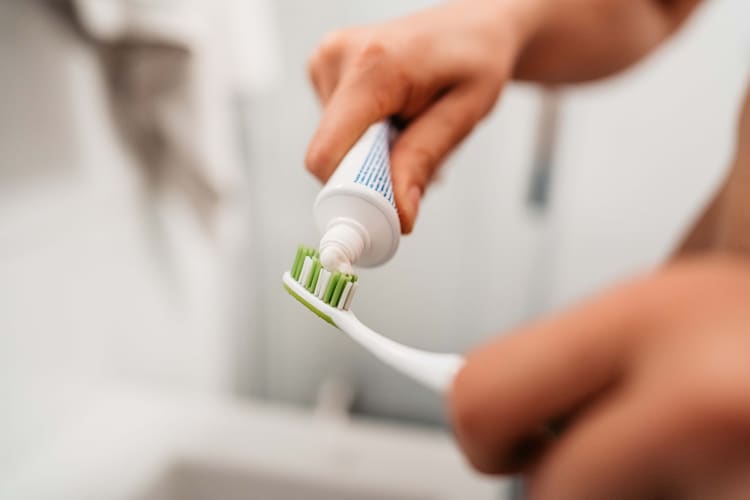
Non-SLS toothpastes are available, although they are typically more expensive. Studies have shown that these options are just as effective as SLS counterparts in maintaining oral hygiene.

However, many people believe that non-SLS toothpastes lack the feeling of freshness associated with SLS.
Dr Bibhakar Ranjan, a Seychelles-based dental surgeon, cited a study conducted by Yale University professor Dr Linda Bartoshuk and some researchers at the Medical College of Virginia that explained how sodium lauryl sulfate suppresses taste receptors on the tongue.
It mainly targets the salty and sweet taste buds, which is why sweet foods taste a little less sweet and salt tastes less salty after brushing.
“In contrast, sodium lauryl sulphate also enhances other taste buds on the tongue, which detect bitter taste. This is why drinking coffee immediately after brushing can alter a person’s taste and the same happens with orange juice,” Dr Ranjan said.
He suggests drinking tea, coffee or any acidic beverage 30 minutes before brushing, as these beverages can soften your enamel layer. But if someone starts brushing immediately after drinking tea or coffee, it can damage their enamel over time.
Although there is no solid evidence to support the use of toothpaste containing SLS, for those who are concerned about changes in taste or are prone to frequent mouth sores, non-SLS toothpaste may be a better option.
With regard to brushing habits, while some people prefer to drink coffee before brushing, dentists recommend brushing immediately after waking up to remove bacteria and plaque, which can affect overall health.