



Seed cycling explained: how sun, pumpkin, sesame seeds affect your period
The seed cycling uses specific seeds to support hormone balance during menstrual stages. While experts have limited scientific evidence, seeds usually have many nutritional benefits.
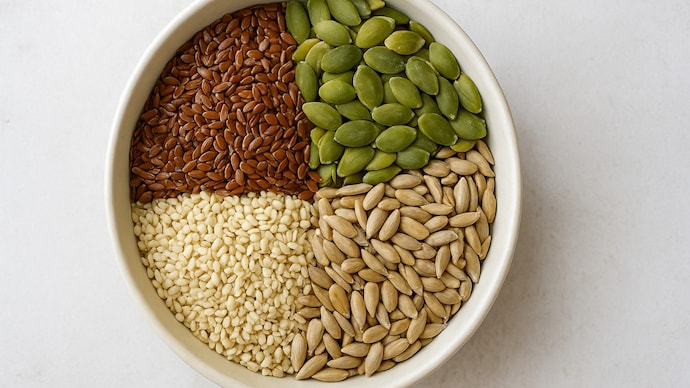

In short
- Seed cycling hormone uses flax, pumpkin, sesame and sunflower seeds for stages
- Experts highlight the benefits of nutrients but there is no clinical evidence for hormone regulation
- Some women experience less PMS symptoms and better cycles regularity
A popular nutritional tendency of seed cycling promises to support the hormone balance naturally using everyday seeds from your kitchen shelf.
This idea seems simple and harmless – eat different types of seeds during two main stages of your menstrual cycle, and your hormones can thank you.
But what does science say? And do doctors really recommend it? Let’s break it.
What is really seed cycling?
Seed cycling is a dietary exercise where women consume some seeds during the specific stages of their menstrual cycle.
- Follicle phase (day 1–14, starts with its period): flaxseed and pumpkin seeds
- Luteal phase (after day 15-28, after ovulation): sesame seeds and sunflower seeds
“The idea is that nutrients in these seeds can support natural hormone balance, especially estrogen and progesterone,” Dr. Anjali Kumar, Director of Maternity and Gynecology at CK Birla Hospital, Gurugram, explains.
To understand why these seeds are chosen, it helps to find out what happens in the cycle: In the follicular phase, estrogen is the major hormone, and in the luteal phase, in the luteal phase, the level of progesterone increases to prepare the body for potential pregnancy.
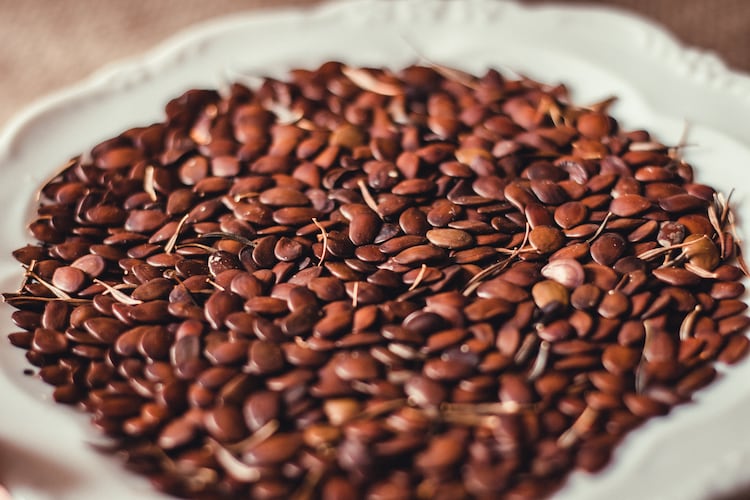
The seed rotation is also known as a diet, the purpose of this trend is to “sink” with these hormonal shifts.
Why this seed?
There is a certain nutritional argument behind the practice. Flax seeds are rich in lignons, compounds that can tie more estrogen and support its healthy metabolism. Pumpkin seeds are packed with zinc, which helps in progesterone production for the luteal phase.
Sesame seeds also contain lignons, which can block additional estrogen when progesterone needs to be increased. Sunflower seeds are high in vitamin E and selenium, both are associated with progesterone support and estrogen detox.
“During the follicular phase, the flax and pumpkin seeds help regulate estrogen and prepare for progesterone production. In the luteal phase, sesame and sunflower seeds support progesterone, while nutrients like selenium and vitamin E helps to balance additional estrogen to nutrients like selenium and vitamin E,” PD Hinduja Hospital helps to balance additional estrogen, “PD Hinduja Hospital in the PD Hinduja Hospital. Tells
Does it really work?
The debate begins here.
Both experts agree that when the principle seems hypnotized, there is no strong scientific evidence that the seed cycling can directly regulate the menstrual cycle or cure hormonal imbalance.
Dr. “Most of the claims are based on traditional nutritional knowledge and experiences of anecdotes rather than clinical trials,” says Kumar.
So when eating these seeds will not harm you, it may not be realistic to trust them as “treatment” for hormonal issues.
What women say they experience
Some women report less PMS symptoms, better cycles, or better mood with seed bicycles. Others use it as a natural support for conditions such as fertility or amenorrhea (when duration stops for reasons other than pregnancy, menopause, or medical treatment).
According to a 2023 study, despite the lots of real accounts of its utility, scientific evidence is still weak or lacking to return the claims of seed cycling. The research paper also shared a link between seed cycling and PCOS (polycystic ovary syndrome)
While the relationship between seed cycling and PCOS (a complex reproductive disease) has not yet been scientifically discovered, individual seeds have proved their effective in correcting hormonal imbalance and improving menstrual problems, which can be served as a basis for the possibility of positive effects of seed cycle diet on PCOS management and prevention.

“It is important that first consult a doctor or dietist, to control the underlying causes of irregular cycles or hormonal problems. Seed cycling can help with something bloating, cramps, or mood, but it is not an option for medical advice,” trinidad notes.
Seed beyond: Foods that really support menstrual health
Experts say that instead of focusing only a rigid seed scheme, women should look at overall nutrition.
There are foods here that play a big role in hormones and bicycle health:
- Iron-Rich Foods: Spinach, beet, lentils, lean meat – re -filling the blood lost during menstruation.
- Magnesium containing foods: Dark chocolate, nuts, avocados – easily cramps and support mood.
- Omega -3 fatty acids: Loss of fatty fish, walnuts, chia seeds – inflammation.
- B vitamin: Whole grains, eggs, legumes – promote energy and ovulation.
- Probiotics: Curd, kefir, fermented foods – support is associated with intestine health, hormone regulation.
- Fiber and Hydration: Fruits, vegetables, whole grains and water – help in bloating and estrogen balance.
How to safely try seed cycling
If you are eager to try to cycle seeds, then there is a simple approach here:
Start daily for two weeks with each flax and pumpkin seeds with 1 teaspoon of 1 day of your duration.
Switch 1 tbsp on sesame and sunflower seeds for the next two weeks until your period starts again.
Grind seeds for better absorption, and add them to smoothie, yogurt, salad, or soup.
Memorization: If you have a diagnosis hormonal condition such as allergies, digestive issues, or PCOS or endometriosis, consult a doctor or dietist before starting.
The seed may not fix a magic for cycling hormones, but it encourages women to eat dense foods of nutrients that can support overall health. At least, you will add fiber, healthy fats, vitamins and minerals to your diet.