



Linus Torvalds now vibes code with Google AntiGravity, says results beat manual work
Linus Torvalds has revealed that parts of his new open-source project were built using Google AntiGravity, saying the AI-generated code works better than writing it manually.
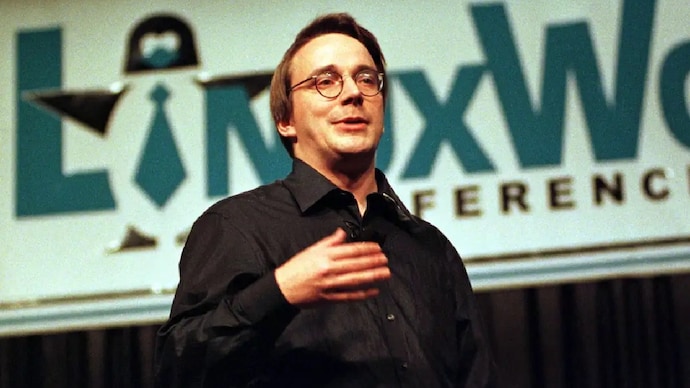

Linux creator Linus Torvalds has quietly crossed a line that many developers are still debating, trusting AI to write the actual code in an open-source project. In a recent GitHub repository called AudioNoise, Torvalds openly shared that he relied on Google AntiGravity, an AI coding tool, to build parts of the project, describing the experience as more effective than doing it all by hand.
This admission is interesting not because AI-assisted coding is new, but because of who said it. Torvalds has shaped how modern software is created through Linux and Git, and his ideas often influence the broader developer community. This time, instead of warning against shortcuts, he focused on what is popularly called “vibe coding,” where developers describe in clear language what they want and let an AI model generate the code.

At AudioNoise, a hobby project focused on digital audio effects and signal processing, Torvalds used AntiGravity to create a Python-based audio sample visualizer. He explained that Python is not his strong suit and he usually relies on searching online and copying patterns when working outside his comfort zone. With Antigravity, they decided to remove that step altogether.
In the project’s README, Torvalds wrote, “Also note that the Python visualizer tool is originally written by vibe-coding. It started out as my typical ‘Google and do the monkey-see-monkey-do’ type of programming, but then I cut out the middleman – me – and just used Google Antigravity to do the audio sample visualizer.” The comment was both candid and characteristically blunt, making it clear that the AI-generated output met their expectations.
The AudioNoise repository is released under the GPLv2 license, making disclosure even more important for the open-source world. This shows that AI-generated code is already being used in projects that follow traditional open-source licensing, without any special carve-outs or disclaimers. Along with the Python visualizer, the repository includes simple C implementations of audio delays, filters, and other effects, keeping the main experiments firmly in human-written code.

Torvalds’ comments do not suggest that AI replaces developer judgment. Instead, they point to a practical use case in which unfamiliar or difficult tasks are handed over to an AI tool while maintaining control over the overall design and intent. Coming from someone with decades of low-level programming experience this distinction matters.
This moment also caught the attention of Google. Varun Mohan, who is closely involved with the development of AntiGravity at Google DeepMind, responded to