



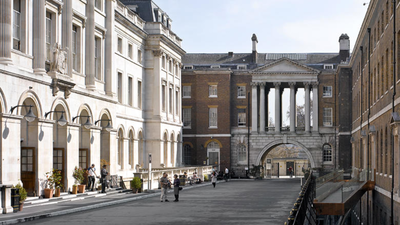
 The merger is scheduled to take effect from August 2027, although the name of the combined organization has not yet been confirmed.Once completed, the new unit is expected to house approximately 47,000 students, making it the second largest mainstream higher education provider in the UK after University College London.The deal will also bring Cranfield’s approximately 5,000 predominantly postgraduate students into the King’s system.The merger aims to expand the UK’s capabilities in areas including engineering, artificial intelligence, defence, energy, manufacturing and climate research.Professor Shitij Kapoor, Vice-Chancellor and President of King’s College London, said the merger aims to help create a stronger global organisation.“This is a deliberate move to bring together some of the best people from the UK to compete with the best in the world,” Kapoor said.He said the partnership would create “new educational possibilities for students” and strengthen collaboration with industry and government.The combined organization is expected to focus on areas including aerospace, robotics, hydrogen energy systems, life sciences, public leadership and national security.Cranfield, which specializes in postgraduate education and applied research, is known for its relationships with industry and government, particularly in aerospace and defence.Professor Dame Karen Holford, Chief Executive and Vice-Chancellor of Cranfield University, said the merger would create a “global university” with a greater international standing.He said Cranfield’s applied research expertise and long-standing industry partnerships will combine with King’s extensive academic network.Britain’s Science Minister Patrick Vallance supported the proposal, saying it had the potential to strengthen the Oxford-Cambridge Growth Corridor and support Britain’s science and technology ambitions.