





The war between the United States, Israel and Iran is about to enter its third week and tensions show no signs of easing as missile attacks, drone strikes and airstrikes continue across the Middle East.US President Donald Trump claimed in a virtual meeting that Iran “is about to surrender”, news agency Reuters reported, quoting Axios. He further told the leaders of the Group of Seven that the conflict is moving in Washington’s favor. Despite his comments, the war has escalated on multiple fronts, with casualties rising and global markets reacting to increased volatility.Nearly two weeks after the conflict began, oil prices have soared, shipping through the Strait of Hormuz has been disrupted and regional powers have joined the fighting. Missile exchanges between Israel and Iran continue, while allied groups and regional states are increasingly becoming part of the conflict.
Week 1: War begins with assassination of Iran’s supreme leader
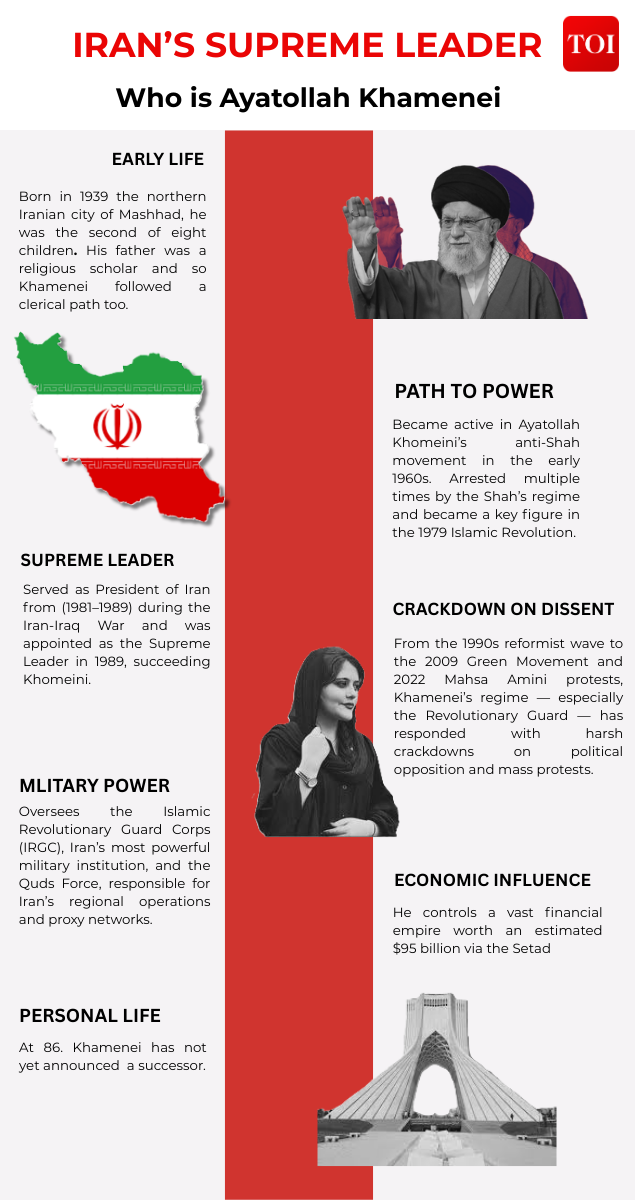
The war began on 28 February when the United States and Israel launched coordinated attacks inside Iran under ‘Operation Epic Fury’, targeting military infrastructure and missile systems.The initial attack killed several senior commanders, including Iran’s supreme leader Ali Khamenei, prompting immediate retaliation from Tehran.

.
Iranian forces launched missiles and drones toward Israel and US military facilities across the region, marking the beginning of a rapidly escalating conflict.
Day 2: Iran launches major retaliation
On the second day of the conflict, Iran responded with a large number of ballistic missiles and drones targeting Israeli cities and military infrastructure. At the same time, the US military expanded its air campaign against Iranian missile launch sites and Revolutionary Guard facilities. Iran also began directing attacks on US bases and allied states in the Middle East, indicating that the conflict would not be limited to Iranian and Israeli territory.
Day 3: Hezbollah opens northern front
Lebanese militant group Hezbollah joins the conflict by firing rockets into northern Israel. Israel retaliated by attacking Hezbollah targets in the southern suburbs of Beirut and other parts of Lebanon.Among the deadliest attacks were overnight airstrikes on the eastern city of Nabi Chit, where at least 16 people were killed and 35 wounded, according to Lebanon’s Public Health Ministry. Officials warned that the death toll could rise as rescue efforts continued.
Day 4: bay stress increases
Missiles and drones began appearing over Gulf countries that host US military bases, including Kuwait, Bahrain, Qatar and the United Arab Emirates. The attacks near the Strait of Hormuz disrupted maritime traffic and raised fears of a global energy crisis. Oil markets reacted sharply as traders worried the conflict could significantly impact global supply.
Day 5: Gulf countries increasingly joining in
Iranian drones and missiles targeted several countries in the region. Air defense in the United Arab Emirates intercepted projectiles near Dubai’s international airport and coastal areas.In Bahrain, a missile struck a government oil refinery, causing a fire, officials later said. Saudi Arabia also prevented drones near key energy infrastructure.
Day 6: Mass strike campaign intensifies
The United States and Israel expanded their attacks inside Iran, attacking hundreds of targets over several days. Officials said the strikes destroyed large parts of Iran’s air defense network and missile systems. Israeli officials claim to have destroyed about 80 percent of Iran’s air-defense systems. Iranian officials said the death toll from the attacks across the country has risen to more than 1,300. Many cities reported heavy damage to buildings and infrastructure, including government facilities, hospitals, and residential areas.
Day 7: War spreads across the region
The clashes spread across multiple fronts, including Lebanon, Iraq and the Gulf. Explosions were reported in Dubai and Bahrain as air defense systems intercepted incoming projectiles. Shipping through the Strait of Hormuz slowed, affecting global trade routes.Trump ruled out immediate talks and demanded Iran’s “unconditional surrender”, signaling that the war could continue to expand across the region.
Week 2: Conflict escalates across the Middle East
Day 8: Heavy bombing and regional attacks
A week after the war, there were intense airstrikes on Tehran, while Iranian missiles targeted Israel and the Gulf countries. Saudi Arabia, Qatar and the UAE reported intercepting drones and missiles.As casualties increased rapidly, Western countries began to consolidate military assets in the region. At least 1,332 people are reported killed in US-Israeli strikes as a new wave of deadly bombings hits Tehran, according to Al-Jazeera.
Day 9: Attacks spread to the Gulf and Iraq


Missile and drone attacks were reported in Saudi Arabia, Bahrain, Kuwait and Iraq. A missile fell inside the US Embassy compound in Baghdad, although no casualties were reported. Israel also attacked fuel storage facilities in Tehran, causing major fires.Trump said that despite the ongoing hostilities with Iran, Washington has no interest in negotiating with it. “We’re not looking to compromise,” Trump told reporters aboard Air Force One. “They would like to compromise. We don’t want to compromise.”Trump claimed that the United States and Israel have severely weakened Iran’s military capabilities, including its navy, air force, and missile infrastructure.
Day 10: Iran announces new supreme leader
Iran appointed Mojtaba Khamenei as the country’s new supreme leader following the death of his father. The cleric, known to have close ties to the Islamic Revolutionary Guard Corps, took over leadership as Iran continued missile and drone attacks across the region.Saudi Arabia said it intercepted a drone targeting the Shaybah oil field and warned Iran it would suffer “the greatest harm” if attacks continued. The United States also began withdrawing non-essential diplomatic staff and families from Saudi Arabia and other Gulf countries due to increasing security threats.
Day 11: Intensified bombings and protests
Heavy airstrikes continued across Iran, with explosions reported in Tehran and other cities.Thousands of Iranians rallied in support of Mojtaba Khamenei as the government vowed to continue the fight. Iranian forces also launched drone strikes targeting Israeli infrastructure, including energy facilities in Haifa.Iran’s Foreign Minister Abbas Araghchi said Tehran would continue fighting as long as necessary, casting doubt on Trump’s insistence that the conflict would end “soon.”
Day 12: The largest wave of US attacks
US Defense Secretary Pete Hegseth said the attacks were the largest the US military has carried out since the war began. Tehran reported heavy bombing across the capital, while thousands of civilians fled major cities.The United States also destroyed several Iranian naval vessels near the Strait of Hormuz amid fears that Tehran might attempt to block the shipping route.
Day 13: War disrupts global energy markets
The conflict rapidly strained global energy supplies. The International Energy Agency announced the release of 400 million barrels from emergency reserves to stabilize markets, as tanker traffic through the Strait of Hormuz came to a near halt.Missile attacks and drone strikes continued across the Gulf while Israel expanded its campaign against Hezbollah targets in Lebanon.Casualties have increased across the region. Iranian officials say more than 1,200 people have been killed in Iran, while hundreds have been killed in Lebanon and dozens in Israel and other countries.The United Nations estimates that hundreds of thousands of people have been displaced, particularly in Lebanon, where persistent bombing has forced residents to flee their homes.Children have been worst affected, with humanitarian agencies warning that thousands have been injured or killed since the war began.
Day 14: Explosion in Tehran as war nears third week; Tension increased due to American plane crash
Heavy explosions were reported across Tehran as the war entered its 14th day, according to Iranian state media. The blasts were heard near a major pro-government demonstration in Tehran’s central square, where large crowds had gathered to mark Quds Day, an annual event held on the last Friday of Ramadan in support of the Palestinian cause.That day also saw a major aviation incident in Iraq. A Boeing KC-135 Stratotanker operated by the United States Air Force crashed in western Iraq during the afternoon. United States Central Command confirmed that four of the six crew members on board died, while rescue operations continued for the remaining personnel.
Global economic impact and energy crisis
The conflict has caused major disruptions in global energy markets. Oil prices rose above $100 a barrel amid fears that shipping through the Strait of Hormuz could be blocked.The waterway typically carries about one-fifth of the world’s oil supply, making it one of the most important energy corridors globally.Many Gulf countries have also reduced oil production as storage facilities filled due to shipping disruptions. World leaders have held emergency talks to stabilize markets and prevent a wider economic shock.