



I better change myself: 39-year-old accountant learns Vibe coding, builds web app using AI for work
A Malaysian audit partner taught himself “vibe coding” and used AI to create a receipt-scanning web app that was not meant to replace, but rather replace, his regular tasks. Here’s the full story.
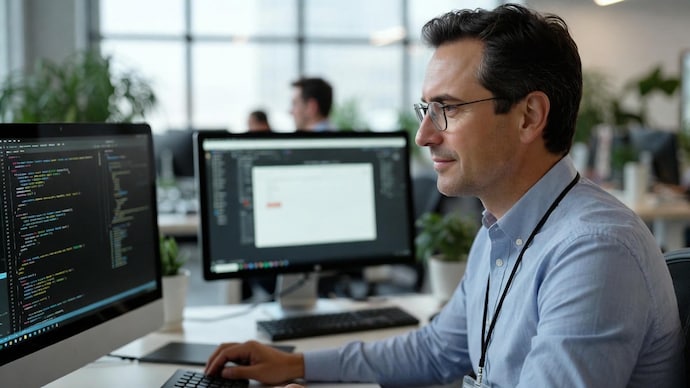

For more than 18 years, Wei Khazan Chan worked steadily as an accountant, which many now watch with trepidation as automation and AI replace office work. Instead of waiting for change to come, Chan decided to face it head on. After attending some coding workshops in June, an audit partner at a Malaysian accounting and consulting firm taught himself “vibe coding” and quietly started building tools to make his work faster and less repetitive, Business Insider reported.
His first practical project was simple in idea but useful in effect – a web app that speeds up expense claims after business trips. Using AI-powered optical character recognition, Chan’s tool scans receipts, identifies line items and then places the information in the correct format into the company’s finance files. They also turned to automation to speed up invoicing and other routine parts of their workflow. This results in less time spent on paperwork and fewer manual errors. For Chan it was a reassuring feeling that he was changing his own destiny.
“It would be great if I knew about AI earlier. At least I change it myself instead of letting other people take my place,” Chan told BI. This line reflects the thinking of many professionals who are learning to use AI not as a threat but as an upgrade to their own toolkit.
Chan’s learning curve wasn’t about marathon coding sessions. He does vibe coding as a time-saver after his kids go to bed. He picks a small feature to add or a bug to fix, and over a few weeks those small changes add up. This approach taught him another lesson about working with AI. One just needs to start with a clear initial signal, then repeat it in small steps. Initially, people asked him to write long, detailed signs; Chan found that breaking up the changes and adjusting one piece at a time worked much better. For debugging, he sees whether the error messages change or not. If they do, then AI is moving forward. If not, he clears the chat and reproduces the issue with new examples.

Chan’s story is one of many recent examples of non-developers using AI to bring practical projects to life. In Singapore, an HR professional used maternity leave to plan family meals. In Maryland, a mother created an app to help people process their emotions after finding AI helpful for their mental reset, and in San Francisco, a product designer turned a long-standing idea into an iOS app to catalog dogs by taking photos and saving profiles.
For Chan, payment is practical and personal. The web app saves time for their finance team and reduces their day to day hard work. What’s more, it gives him options, skills he can use to improve his work, and also the confidence that he doesn’t need to become a passive target of automation.