



Eat less white rice, move more, replace high carbs with more protein: icmr
A recent nationwide survey shows India’s increased burden of diabetes, obesity and heart disease that is associated with changes in diet and lifestyle. The results were different when some carbohydrates were replaced with protein. In fact, the most promising conclusions came from protein replacement.
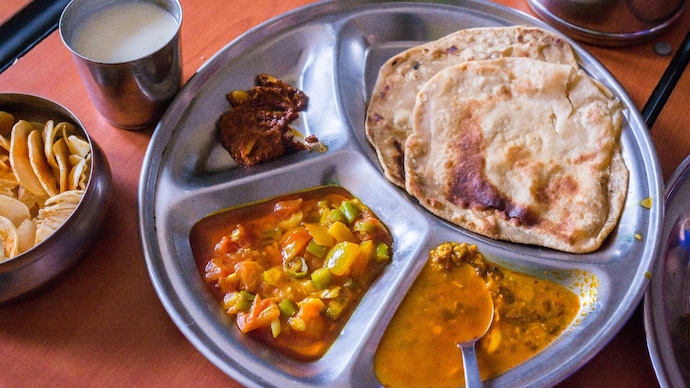

A nationwide survey has revealed the scale of India’s deteriorating health crisis, showing how changes in diet and lifestyle are directly related to diabetes, obesity and increasing burden of heart disease.
Conclusion, part of the Indian Council of Medical Research- India Diabetes, highlights that 83% of Indian adults have at least one metabolic risk factor, with high blood pressure, high cholesterol, obesity and diabetes now common across the country.
The study published in Nature Medicine, in which more than 18,090 adults were examined, depicted a disturbed picture of a nation in the infection.
This suggests that traditional food patterns and active lifestyle are being replaced by sedentary routine and high-carbohydrate diet.
A population at risk
The average age of the participants was 40 years, equally divided between men and women. About one-third of adults found high blood pressure (severe hypertension), while 9% had new diagnosis type 2 diabetes.
Prediabetis, a condition that indicates the risk of future diabetes, was shocking at 41%.
Obesity rate was equally related. Although India’s average body mass index (BMI) could appear 22.2 moderate, 43% of adults were overweight and 26% were obese by Asian cut-off.

Abdominal obesity, where excess fat is carried around the waist, was present in 36 percent of the population and is considered particularly harmful for heart health.
Cholesterol problems were widespread, half of which were shown to be dislipidemia, or abnormal lipid levels. Together, these findings show that India is already living through a silent epidemic of cardio-matabolic disease.
Urban -rural and gender differences
The burden in cities was worse, where sedentary lifestyle and dietary habits increased risks. Urban Indians were less likely to smoke or drink, but were more weight, overweight, obese or prone to high blood pressure than rural residents.
Women, while tobacco or alcohol is less likely than men, showed high level of inactivity and obesity. On the other hand, men were more likely to have high blood pressure and cholesterol abnormalities.
Regional variations were also notable. Answer reported overweight and highest rates of obesity, while East performed better with the lower levels of these risk factors. The spread of diabetes was the highest in the west and the lowest in the east and north -east.
Diet: An important piece of puzzle
Beyond lifestyle habits, the study put a deep dive into the link of India’s diet profile and metabolic disease. The results underline how rapid diet infections are running health risks.
Indian diet today is dominated by low quality carbohydrates such as white rice, sophisticated wheat and couple sugar. At the same time, there is heavy dependence on saturated fat and chronic deficiency of protein.
This imbalance, study found, is strongly associated with diabetes and obesity.
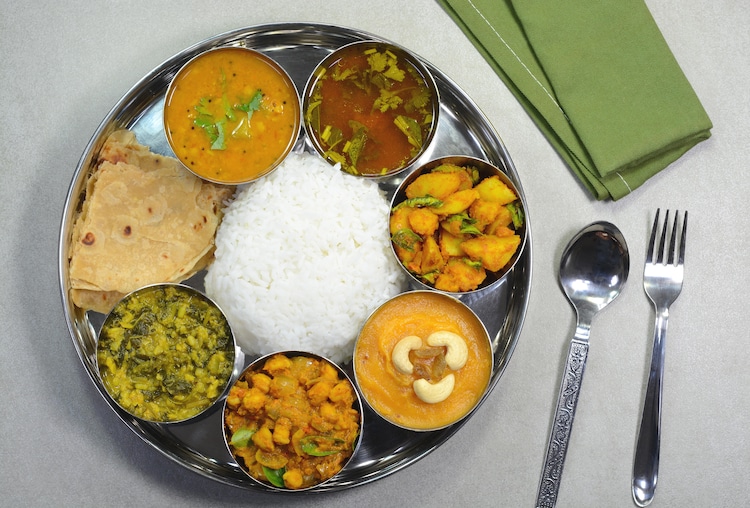
Those who used to eat the most carbohydrates were found to be more at risk of health problems than at least eaters. Their possibility of development of type 2 diabetes was 30% higher, 20% more, normal obesity was 22% more, and abdominal obesity was 15% higher.
Simply did not reduce the risk of diabetes or obesity, without reducing the total amount of carbs eaten carbs with full wheat or millet flour.
Indian diet requires more protein
The results were different when some carbohydrates were replaced with protein. In fact, the most promising conclusions came from protein replacement.
Eating more plants, dairy, egg, or fish protein (keeping the same calorie) was associated with 9-11% less risk of type 2 diabetes and 6–18% less risk of prebitiams.

Dairy protein showed the strongest advantage to prevent prebitia, while egg protein helped the most against diabetes.
The study suggests that India’s public health strategies should focus on reducing overall carbs and saturated fat, while people should encourage more protein -rich foods such as dairy, eggs, fish and plant proteins to reduce the burden of metabolic diseases.

When carbohydrates were replaced with plant, dairy, eggs or fish proteins, the risk of diabetes and predeabities was significantly reduced without increasing overall calories.
Dairy protein was particularly protective against predeabities, while egg protein showed advantages against diabetes.
What does findings mean for India
Together, lifestyle and diet analysis indicate the immediate need for change in India’s public health strategy. The policies that focus on changing the refined grains with only whole grains are unlikely to be enough.
Instead, studies suggest that India needs to reduce overall carbohydrates and saturated fat intake, increasing plants and dairy proteins in diet.
Experts warn that without intervention, the results can be disastrous. The combination of broad hypertension, high cholesterol, obesity and diabetes will accelerate heart disease and stroke rates by putting heavy burden on India’s healthcare system.
The ICMR -IINIAIB survey provides the strongest evidence that India’s metabolic health is at a tipping point. Increasing physical inactivity, poor diet quality and weight gain is convergging to create an epidemic of lifestyle related diseases, once thought of the problems of the West.
This silent health crisis will only deepen until Indians start walking more and start eating clever food. For policy makers, doctors and individuals equally, the message is clear: the time to work is now.