





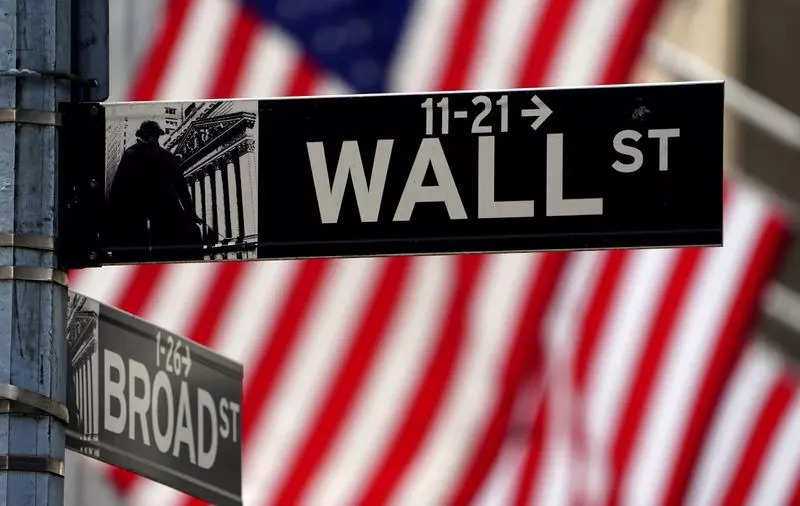
Following the speech, the Dow was up 476 points, or 1.17 percent, while the broad-based S&P 500 rose more than one percent and the Nasdaq rose 1.3 percent. All three closed in the red on Thursday.
The dollar, which performs better when borrowing costs are higher, fell against the euro, pound and yen, which also strengthened after Bank of Japan Chief Kazuo Ueda signaled that Japanese rates could rise again.
Investors were on tenterhooks all week in anticipation of Powell’s keynote speech at the annual gathering of central bankers in Jackson Hole, Wyoming.
Traders were hoping Powell would leave no doubt that rates are being cut after the data raised recession fears and rattled markets earlier this month. The next Fed rate decision is on September 18.
Powell did not disappoint.
“The time has come to adjust policy,” he said, adding that his confidence had grown that inflation was “on a sustainable path” toward the Fed’s two-percent inflation target.
“The direction of travel is clear, and the timing and pace of rate cuts will depend on incoming data, the evolving outlook and the balance of risks,” he said.
The Fed has raised rates to between 5.25 and 5.50 percent to a 23-year high in efforts to combat inflation, which has cooled, while European central banks have begun cutting their rates.
Speculation has been rife about how big or small the first US cut would be, and Powell did not go into specific details about the next step.
Most analysts were expecting a quarter-percentage-point decline, but some traders were hoping for up to half a point.
Powell’s speech Three Fed officials said they wanted to see more data before agreeing to a rate cut.
Data released this week showed a strong US services industry but also a rise in jobless claims and an expected cooling labor market.
BoJ hike signal
While other major central banks are easing their rates, the Bank of Japan hiked it for the second time in 17 years in late July, a move that sent the yen higher and contributed to market losses.


Ueda told Japanese lawmakers on Friday that the BoJ could raise rates again if inflation and the economy perform as expected, and the yen rose against the dollar following his comments.
A strong yen makes it less attractive to investors who use the cheap currency to buy high-yielding assets such as stocks, a practice known as “yen carry trades”.
Investors relaxed such deals because of the last rate hike.
Tokyo and Shanghai closed higher on Friday but Hong Kong fell.
In company news, Alibaba shares rallied after the Chinese e-commerce giant said it would upgrade its Hong Kong-listed shares to primary status, opening it up to a vast army of Chinese investors.
In Europe, Nestlé shares fell after the surprise exit of its chief executive Marc Schneider following sluggish sales and negative headlines at the Swiss food giant.
(You can now subscribe to our ETMarkets WhatsApp channel)