



Air travel between India and the Gulf countries has got a major boost as the Air India group, which includes Air India and Air India Express, has announced the addition of 62 additional flights connecting India with the UAE and Saudi Arabia. The move comes at a time when regional tensions in West Asia have disrupted aviation schedules, leaving thousands of passengers scrambling for alternative travel options.The additional flights are designed to restore connectivity and help stranded passengers return home or reach their destinations in the Gulf, a region that hosts millions of Indian expatriates and remains one of the busiest international corridors for Indian airlines.
Why are airlines adding additional flights? iran vs US-Israel war
The decision to operate additional services follows widespread disruption in Middle Eastern airspace due to rising geopolitical tensions in the region amid the Iran vs US-Israel war. Flight cancellations, diversions and restricted schedules have affected many airlines operating between South Asia and the Gulf. For Indian carriers, the situation has been particularly complex.Many airlines are already dealing with longer routes and higher costs due to the ongoing restrictions on the use of Pakistani airspace and the recent crisis has added another layer of operational challenges. In this backdrop, Air India Group’s decision to increase services is aimed at maintaining travel connections between India and major Gulf destinations while assisting passengers affected by cancellations or delays.
62 additional flights, 80 total flights: What we know amid Iran vs. US-Israel war
According to the airline’s announcements, 62 non-scheduled additional flights will be operated between India and key destinations in the Gulf region. These flights complement the existing scheduled services and are subject to slot availability and regulatory approval from the authorities of both countries.
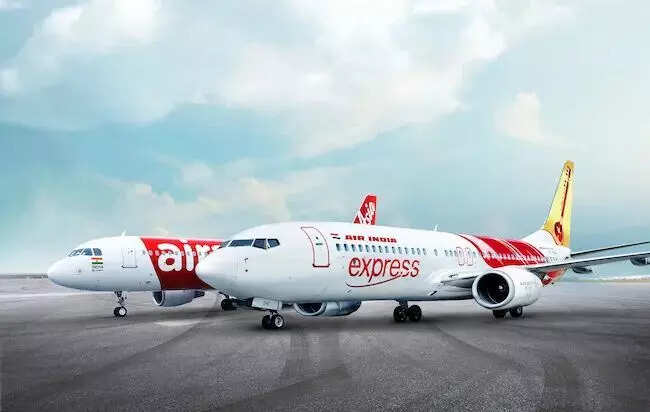
Air India adds 62 flights to UAE and Saudi Arabia amid regional airspace disruption
Along with regular services, the airline group plans to operate around 80 flights to West Asia in a single day, connecting major Indian cities with Gulf hubs. These routes primarily connect Indian cities with airports in the UAE and Saudi Arabia, two of the most important travel markets for Indian carriers.In a major effort to stabilize travel between India and the Gulf, the Air India Group, including Air India Express, increased its operations to around 80 flights in a single day, connecting India to key destinations in the UAE and Saudi Arabia. The increase in services includes dozens of additional non-scheduled flights aimed at accommodating passengers affected by recent regional disruptions and fluctuations in airline schedules throughout the Middle East.By significantly increasing capacity on key routes connecting cities such as Dubai, Abu Dhabi, Sharjah, Jeddah and Riyadh to Indian hubs such as Delhi and Mumbai, the airline group effectively created an aviation lifeline for travelers stuck in uncertainty. The intensified program not only helps clear the backlog of stranded passengers, but also underlines the strategic importance of the India-Gulf air corridor, one of the busiest and most economically important international travel networks for Indian carriers.
Serving major Gulf destinations amid Iran vs US-Israel war
The expanded program focuses on some of the busiest routes between India and the Gulf, including:
- Dubai
- Abu Dhabi
- Sharjah
Ras Al Khaimah - Jeddah
- Riyadh
The services are being operated from major Indian hubs such as Delhi, Mumbai, Bengaluru, Kochi and Kozhikode. Some additional round-trip flights include services from Mumbai and Kozhikode to Riyadh, also reflecting the demand for travel between India and Saudi Arabia. In the UAE, the additional capacity includes several emirates, including Dubai, Abu Dhabi, Sharjah and Ras Al Khaimah, to ensure that passengers from across the country have the option to return to India or continue onward journeys.The primary goal of these additional flights is to assist passengers whose travel plans were disrupted due to cancellations and airspace restrictions. Thousands of passengers were stranded in the Gulf region after a sudden change in flight operations in early March. Airlines are coordinating with aviation authorities to gradually restore connectivity and accommodate the affected passengers.Air India is also actively contacting passengers and offering free rebooking or refund options for those affected by the flight disruption. Passengers are being advised to check flight status updates regularly, as schedules are subject to change depending on the changing geopolitical situation.The expansion of flights highlights the strategic importance of the India-Gulf aviation corridor, one of the busiest in the world. Millions of Indian expatriates live and work in the UAE and Saudi Arabia, creating a steady demand for passenger flights throughout the year. Even minor disruptions can impact the travel industry because:
- The bay serves as a major transit hub for international flights.
- A large migrant workforce regularly travels between India and the region.
- Religious travel to Saudi Arabia, including Umrah pilgrims, significantly increases seasonal demand.

When tensions rise in the region, airlines must quickly adapt schedules, reroute planes and coordinate with multiple airspace authorities to keep flights operating safely. The move by Air India is part of a broader effort to restore connectivity in the aviation industry after several weeks of disruption. Several carriers operating from the Gulf, including Emirates, Etihad Airways, flydubai and Air Arabia, have also gradually begun to restart or expand services, although many are still operating on reduced schedules.

Will Air India’s 62 additional flights ease travel chaos amid Middle East tensions?
Meanwhile, other Indian airlines have taken different approaches. For example, some carriers have canceled flights due to safety advisories or aircraft restrictions related to regional airspace conditions. This patchwork of schedules reflects the unstable aviation environment in the region.
Rising costs amid Iran vs US-Israel war add to airline challenges
Airlines are grappling with not only operational challenges but also rising costs. Fuel prices have soared amid geopolitical tensions in the Gulf, prompting Air India to introduce a phased fuel surcharge increase on domestic and international flights from March 2026. Longer routes also increase fuel consumption and flight time due to airfield closures – further increasing airlines’ expenses.For travelers planning to fly between India and the Gulf in the coming days, aviation experts advise:
- Checking flight status before going to the airport.
- Allow extra time for travel, as schedules may change suddenly.
- Updating contact details with airlines to receive real time notifications.
- Flexible booking options are being considered where possible.
Officials and airlines are monitoring the situation closely and say they will adjust operations if conditions change. The addition of 62 additional flights underlines how important the India-Gulf air corridor is even at a time of geopolitical uncertainty. By rapidly expanding capacity, Air India Group is attempting to stabilize travel routes and ensure that passengers can continue to move between the two regions.For thousands of travelers including migrant workers, tourists and business travelers, the extended schedule could mean the difference between being stranded abroad and eventually reaching home. As the situation evolves in West Asia, airlines are expected to continue to adjust operations while balancing safety, demand and connectivity in one of the world’s most dynamic aviation markets.