





Apple to launch iPhone 18 Pro series with 5 major upgrades in 2026
Apple is rumored to introduce the iPhone 18 Pro and Pro Max in September 2026, featuring a redesigned display, under-screen Face ID, and significant internal upgrades.

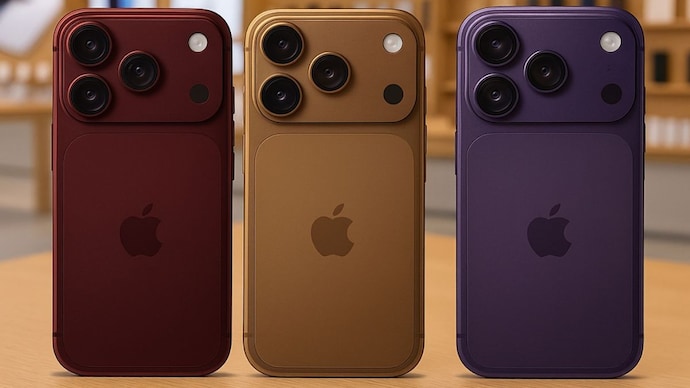


Apple’s iPhone 17 Pro lineup has barely hit store shelves, yet attention has already turned to what’s coming next. Leaks and early reports about the next generation of iPhones have been generating a lot of buzz, with the iPhone 18 Pro lineup tipped to be one of the most notable upgrades in years. While Apple Inc. has not officially confirmed any of these details, early leaks suggest that the iPhone maker is planning significant design and hardware changes for its next-generation Pro smartphones, which is expected to debut in September 2026.
From a more powerful next-generation chipset and meaningful camera upgrades to possible changes to the Dynamic Island and a cleaner front display, here’s a quick look at everything that’s currently being said about the iPhone 18 Pro.
Under-screen Face ID and a clear display
One of the most talked about upgrades for the iPhone 18 Pro and iPhone 18 Pro Max is under-screen Face ID. According to tipster Digital Chat Station, Apple may move several Face ID components below the display, reducing the visible cutout on the front. This change will allow Apple to further clear the screen, continuing a long-term effort toward a more seamless display experience.
The leak also suggests that when Face ID is shifted to the bottom of the panel, the selfie camera may appear as a small hole, possibly located towards the top-left corner of the screen instead of the center.
Possible changes to Dynamic Island
There are also reports of a redesign of the dynamic island, which Apple introduced with the iPhone 14 Pro. According to these reports, Apple may either shrink or reposition the Dynamic Island to align with the relocated front camera. Although it may not disappear completely, its role may evolve, becoming less effective during everyday use.
camera upgrade
On the back, the iPhone 18 Pro series is expected to receive meaningful camera improvements. One notable rumor points towards a variable aperture system for the main camera. This feature will allow the lens to control how much light enters the camera, rather than relying solely on software processing. This improvement can result in more natural depth effects, better low-light photography, and better control in challenging lighting situations.
Some reports are also suggesting that this advanced camera feature could be exclusive to the larger iPhone 18 Pro Max, further widening the gap between the two Pro models.
A20 Pro chip with next-generation architecture
As always, expect a big leap in performance this time with the introduction of Apple’s next-generation silicon – possibly the A20 Pro chip. According to industry reports, the chip could be made using TSMC’s upcoming 2nm manufacturing process, which could offer notable gains in both speed and power efficiency.


Additionally, Apple is reportedly working on a new internal design that integrates RAM directly on the same wafer as the CPU, GPU, and Neural Engine. This approach can improve performance, reduce power consumption, and free up internal space for better thermal management or a larger battery.
New colors and subtle hardware changes
Apple may also refresh the visual identity of the Pro lineup with bolder color options. The leaks point to new finishes like burgundy, brown and purple, a departure from the muted tones traditionally associated with Pro iPhones. Additionally, Apple is said to be experimenting with changes to the physical controls, including a pressure-based camera button that provides clearer tactile feedback.
iPhone 18 Pro launch timeline
The iPhone 18 Pro and iPhone 18 Pro Max are widely expected to launch in September 2026, in line with Apple’s usual release schedule. Meanwhile, reports suggest that the standard iPhone 18 models may arrive later, possibly in early 2027, though this is unconfirmed.
That said, like all early leaks, these details should be taken with caution. Apple’s final hardware and software decisions often come closer to launch.