



Aadhaar may soon be required for entry into restaurants, housing societies as government plans to take Aadhaar offline
Aadhaar-based checks may soon become routine in hotels, housing societies in India as UIDAI prepares to launch a new offline verification app.
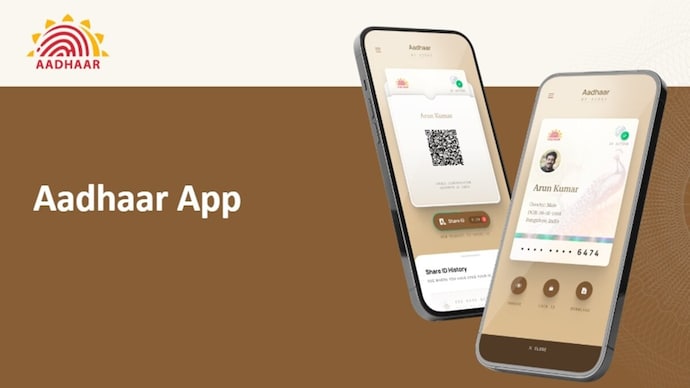

Soon, when you are visiting your friends at their new condo, you may be asked to verify your Aadhaar before you are allowed entry into the housing society. Or a restaurant hosting a live event may ask you to show your Aadhaar before allowing you entry. Or, if you are a student, you may be asked to show your Aadhaar before you are allowed to sit the exam. This is because the government is working on a new offline Aadhaar mechanism that will let any organization or place check your identity before giving you access.
UIDAI, the agency that looks after Aadhaar, says the new offline ID check using Aadhaar will eliminate the need to show a photocopy of the Aadhaar card. And, according to the agency, this will provide ease of use as well as greater privacy. However, implementing a feature that makes offline Aadhaar verification official and almost mandatory may worry digital privacy advocates.
With the provision of offline Aadhaar checks, India may soon enter a phase where such checks will become a regular part of everyday activity. UIDAI says identity verification, from visiting a hotel lobby to entering a gated community or attending a live concert, will be made possible using a quick QR scan powered by a new Aadhaar app, which is about to be launched.
Ahead of the formal launch, UIDAI recently held a meeting with around 250 “stakeholders” to inform them about the upcoming Aadhaar changes. In a note shared after the meeting, UIDAI said, “Offline verification will provide both users and entities a safe, convenient and privacy-protecting method for identity verification and will discourage sharing and reliance on physical or photocopies of Aadhaar, which is otherwise a potential cause of fraudulent practices.”
The note also added that in the meeting, “UIDAI officials discussed several aspects of offline verification and its potential use cases, including hotel check-in, entry into residential societies, event access, etc.”
How will offline Aadhaar verification work?
For now, details are scarce but UIDAI officials have confirmed that the new offline verification system will be built around QR codes. The system will also use something called “proof of presence” which will authenticate the user through a face scan without connecting to the UIDAI server. How this will work in reality will become clear only when the new system is implemented and people start using it. But UIDAI says this is different from the existing face-authentication method used by banks, which depends on server connectivity.
The new mechanism is going to be a part of a revised Aadhaar app that will be launched soon. According to a report in Money Control, once the app is out, UIDAI officials expect offline Aadhaar-based authentication to take place here:
– Hotel and Lodge Check-in
– Access to gated housing society
– Access to offices and data centers
– admitted to hospital
-Student verification during examination
– Verification of cab drivers, food-delivery executives and domestic staff

– Age check for cigarettes or prohibited items
– Entry to theatres, events, stadiums and concerts
– DigiYatra-like identity flow for ticketed travel within India
New rules are coming and any business can implement
UIDAI is formulating new rules to officially regulate offline Aadhaar verification through the new app. Once notified, these rules will give legal backing to the way data is shared and stored.
Any legally registered organization will be able to apply online to become an Offline Verification Seeking Entity (OVSE). The onboarding process will include document verification, technology integration, and the ability to generate QR codes for customers. UIDAI said a “nominal” fee would be charged.
New Aadhaar app in final testing, expected to launch soon
UIDAI officials confirmed that the app is now in pre-launch testing, with the product and engineering teams in the final stages of stability testing and industry outreach. He hinted that the launch is only a few months away.