



The iPhone 16 series can get 30 percent price hike: UBS analyst
Apple may leap in prices after the latest tariff declared by US President Donald Trump in the iPhone 16 series last week. According to a UBS analyst, the iPhone 16 Pro Max can see a retail price increase in the US as 30 percent.
Listen to the story
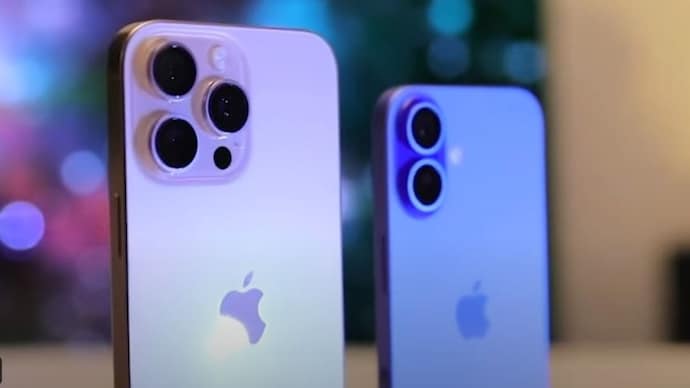
Apple may leap in prices after the latest tariff declared by US President Donald Trump in the iPhone 16 series last week. According to UBS analyst Sundip Gantori, the iPhone 16 Pro Max – Apple’s most premium offering – can see a 30 percent retail increase in the US.
New tariffs, which target products manufactured in China, expect a direct impact on Apple, given that the company still depends a lot on Chinese features for iPhone production. UBS estimates that the price of the iPhone 16 can go up to about $ 350 (about 30,000 rupees), which can lead to its initial price of about $ 1,550 (about Rs 1,33,000) in the US. For your reference, the current price of this model is $ 1,199 (about Rs 1,03,000) and the device is sold at Rs 1,44,900. Therefore, if Apple has increased the price of the maximum model to the mentioned percentage, the device will still be cheaper in the US market. However, nothing is officially confirmed and these are just estimated by the UBS analyst. Meanwhile, the iPhone 16 Pro can see a small increase of approximately $ 120 if Apple manages to move over production in India, CNBC reports.
The UBS note shared by Gantori, highlights uncertainty within the supply chain of Apple as the company tries to absorb some cost burden, while potentially passes the rest of the customers.
He said, “Depending on the check we have done at the company level, there is a lot of uncertainty that the cost of sharing the increased cost with the suppliers, to what extent the costs can be passed on the end-grade, and the tariff period,” he said.
At the time of tariff announcement, the markets have already shaken the markets. In the last three business days, Apple’s shares have fallen by about 20 percent in the last three business days, which is about $ 640 billion in the market price. Analysts say the rapid decline shows investors’ concerns that high iPhone prices can damage demand, especially consumers show signs of slowing down expenses.

Apple is one of the most exposed companies in the latest business policy shift. China is now facing 54 percent of import tariffs on electronics, and in countries such as India, Vietnam and Thailand, there may be some relief from Apple’s “Friendoring” efforts – these areas are also facing small but remarkable tariff rates under the new scheme.
Earlier, JP Morgan analysts predicted a potential 6 percent increase in iPhone prices globally if the US followed through aggressive tariff measures. Tim Long of Barclays also warned that Apple may have no option but to increase prices, or the risk of a possible 15 percent decline in income per share in its earnings.
Some of the worst condition landscapes have also floated. According to Vesabash, if Apple was to bring its iPhone production to the US completely, a single device can be priced at $ 3,500 – a figure that reflects a sharp increase in local manufacturing costs and lack of infrastructure.
Morgan Stanley said that with efforts to diversify in recent years, Apple may still face $ 34 billion in additional costs annually due to new tariff regime. The firm said that almost all with tariffs are now applied for non-American production, the benefit of Apple may be limited to moving to alternative countries.
So far, it remains to be seen whether Apple will seek exemption from the US government or adjust its strategy to manage additional costs. However, if the company decides to pass the cost to buyers, the iPhone 16 series may come with a noticeable price collision.