



For decades, marine scientists have observed the whale shark (Rhincodon typus), the world’s largest fish, from boats and snorkeling. They could only catch a glimpse of the world’s largest fish gliding through tropical waters. This shows that all they have seen so far was the trailer. A new study published in the Journal of Marine Biology reveals their krill pursuit and complex behavior. Researchers set cameras on these charismatic marine animals near Ningaloo Reef in Western Australia and found that the giants do not feed mostly at the surface, as previously believed. Instead, they are counting foragers that dive deeper than 70 meters, and shifting between different feeding strategies depending on what they find.
spying on giants
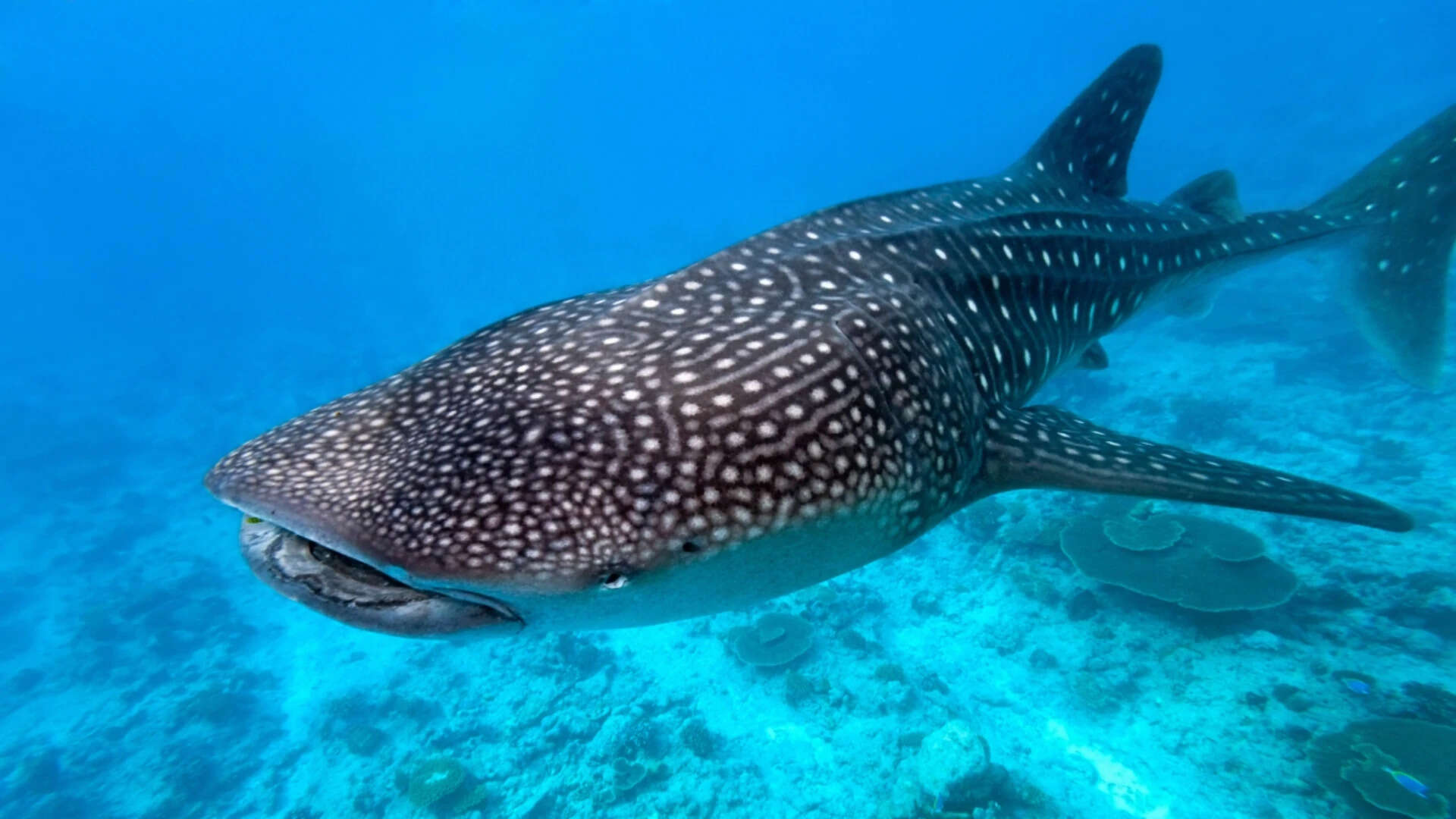
Whale sharks’ lives beneath the surface remain mostly a mystery. These magnificent creatures live in tropical oceans, where food is often scarce, and so they have to constantly adapt in order to survive. Due to the effects of climate change, food shortages are increasing. This is why it is important to understand their feeding strategies. However, following them in the deep oceans proved impossible using traditional observation methods. Once they dive, they disappear from sight. Although electronic tracking tags tell researchers where whale sharks go, they do not provide any information about what they are actually doing there. That’s when scientists decided to attach camera-equipped tags to the whale sharks’ dorsal fins. The cameras captured high-resolution footage from the shark’s own perspective. “The camera provided footage of the front half of the shark, along with its perspective. This is as close as we can get to seeing the ocean through their eyes,” the researchers wrote in The Conversation.After 24 hours, the tag automatically detached, leaving no mark on the animal and allowing researchers to retrieve the footage. This footage helped researchers understand what happens beneath the water surface at a tropical coastal aggregation site. “Our work has revealed new behaviors and, for the first time, provides a more comprehensive picture of whale sharks’ search strategies across the entire water column, from the surface to the ocean floor,” the researchers said.
What do whale sharks do when no one is looking?

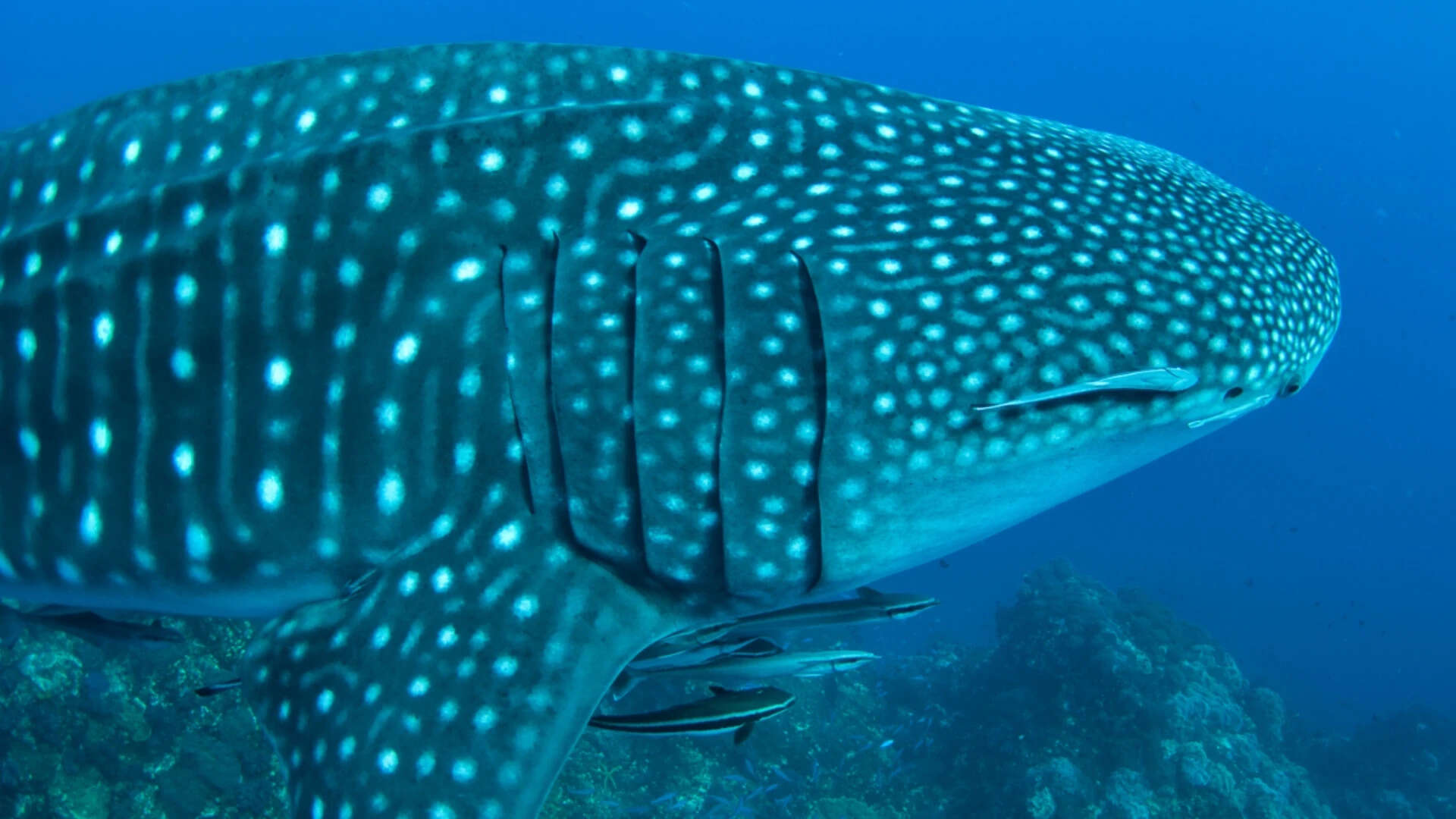
Researchers wanted to see what these giant fish were doing when no one was looking. “We can finally answer the question: ‘What do whale sharks do when no one is watching?’ Filling these research gaps is essential so we can help these majestic, yet endangered, filter-feeding animals,” the researchers said. Along with the footage, they reviewed over 100 scientific publications detailing whale shark behavior. Scientists have listed 36 different feeding strategies, ranging from slow, energy-efficient gliding with an open mouth near the sea floor to vigorous pursuit of dense krill flocks at the surface.“We found that whale sharks adopt a mix of multiple feeding behaviors throughout the water column and along the ocean floor to a depth of 70 meters at our study site,” the researchers revealed. Previous studies have shown that whale sharks feed primarily at the surface; However, new findings challenge that notion.
‘Low-Effort’ Snacking
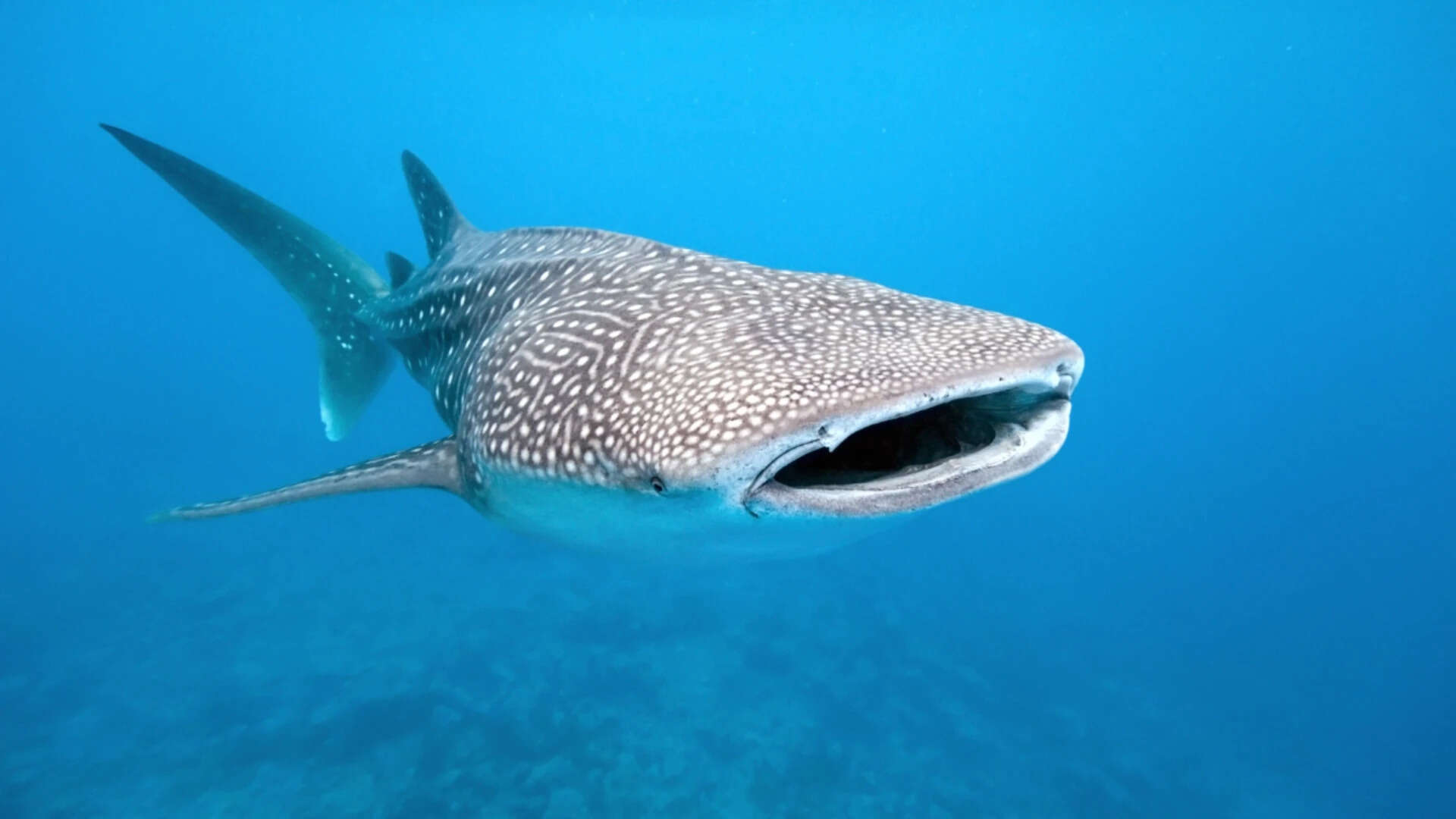
The researchers observed a variety of food-related behaviors. Whale sharks did not hunt continuously. Instead, they spent most of their time performing low-effort feeding behaviors, such as sinking to the sea floor with an open mouth (slow gliding feeding). They also engage in vigorous swimming after krill flocks, which are their preferred prey at the surface (active surface feeding when food is abundant).The researchers noted that whale sharks spend most of their time performing six low-effort feeding behaviors. This means that they essentially graze in areas where food is scarce. It works like snacking from the pantry while deciding what to cook for dinner. They nibble most of the time and go into aggressive hunting mode as soon as they encounter high-density prey.“We also found that whale sharks have a much greater variety of foraging strategies than other filter-feeding megafauna, such as basking sharks and whales. “This may help explain how they thrive in tropical waters where prey is limited and dispersed,” the researchers said.The study was limited to one location at a time: juvenile whale sharks gathered near the coast at Ningaloo Reef, Western Australia. “If researchers can deploy more cameras for whale sharks at aggregation sites around the world, we hope new insights will be discovered and our understanding of this iconic species will continue to grow,” he said. Researchers are thrilled that they are beginning to understand the secret life of the largest fish on Earth. “And from what we’ve seen, they’re the best snackers in the ocean.”