



Apple went through several iOS 27 betas, but they were only for developers. Now, the company has released the first public beta of iOS 27 – as well as the corresponding public betas for iPadOS 27, watchOS 27, macOS 27, and tvOS 27. Stable release coming this fall.
But if you want to get an early start, you can sign up for the Apple Beta Software Program and install version 27 on your device today. Which phones are supported? Apple hasn’t dropped compatibility, so if your phone runs version 26, it may also run version 27. This means iPhone 11 or newer (including iPhone SE (2020) or newer).


ios 27
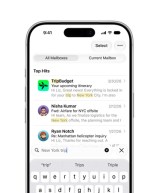
iOS 27 improves the new Liquid Glass design language, solving some of the biggest problems. It will also make your phone faster – app startup times will be reduced by 30%, Photos will load your library 70% faster and AirDrop transfers will be 80% faster. Additionally, Apple says it has made network transitions (between Wi-Fi networks or from Wi-Fi to 5G) easier. Here’s a more detailed look at what’s new in iOS 27.
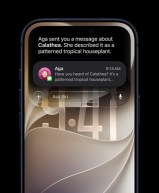
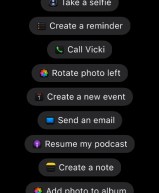
Siri AI is the key feature of this generation. You can use natural language to ask questions, take actions, and find your phone. There’s also now a dedicated Siri app, which makes it easier to access new features. Note that Apple is still fighting with the EU, so AI features will be limited in the block.



siri ai
Note that although Apple has fixed various issues during the developer beta testing period, there may still be bugs in this public beta that will be unpleasant for your daily driver of the phone. In other words, install at your own risk. Or you can wait for the stable release in a few months.
P.S. Although Apple hasn’t removed support for older iPhones, that’s not the case with Macs – the last Intel-powered Macs that got macOS 26 can’t update to version 27. Only Apple Silicon models are supported. As far as the iPad is concerned, many older models were phased out. The following models can run iPadOS 27: iPad mini (2021) or newer, vanilla iPad (2021) or newer, iPad Air (2020) or newer, and iPad Pro (2020) or newer. More details here.