



Why movie tickets suddenly became expensive: The truth behind dynamic pricing in multiplexes
Multiplexes are using dynamic pricing to change ticket rates based on demand and time. The system is being scrutinized as many moviegoers see high prices without understanding why.
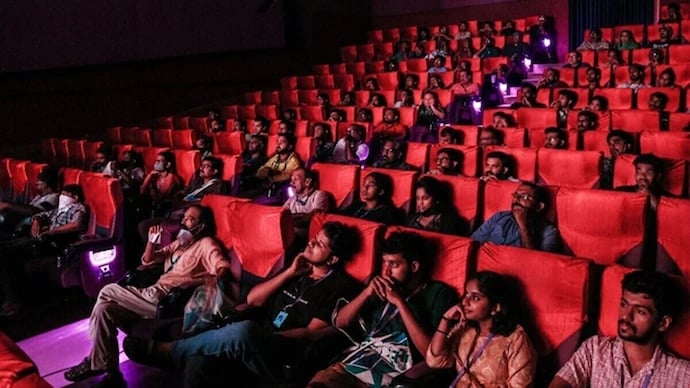

You check the ticket price on your phone, decide to skip the convenience fee on buying it at the theater, and go to the multiplex. But by the time you reach the counter, the price for the same seat becomes slightly higher.
For many movie lovers, this has become a common experience. The culprit is dynamic pricing, a model that allows ticket prices to fluctuate based on demand. While airlines and hotels have been following this system for years, multiplexes have also quietly adopted it. Hunt? Many consumers do not realize this is happening until they are asked to pay more.
❮❯
A model that has been in existence for years
According to multiplex chain PVR, dynamic pricing is not a recent experiment but one the chain started a few years ago as part of its larger revenue strategy. Most multiplexes followed suit and implemented similar systems.
“Dynamic pricing is a globally accepted revenue management practice that is adopted across industries such as aviation, hospitality, sports and live entertainment. At PVR Inox, we introduced this model a few years ago as part of our revenue management strategy to better optimize occupancy while offering viewers a wide range of ticket pricing options. It is designed to balance demand across our network while creating greater flexibility for consumers,” PVR Kamal Gyanchandani, Head – Business Planning & Strategy, INOX Limited and CEO, PVR INOX Pictures Limited, said. India Today.
The Multiplex Association of India president further explained that pricing is not driven by demand alone, as other factors are also taken into consideration. He added, “Our pricing is influenced by factors including day of the week, show time, location, seating category, screen format and anticipated demand. Importantly, dynamic pricing not only results in higher prices during peak periods, but it also creates more affordable options for weekdays, non-peak hours and advance booking, allowing viewers to choose an experience that best fits their budget.”
In other words, while blockbuster releases may drive up prices, quieter weekday or morning shows may be cheaper.
Who benefits when prices rise?
One of the biggest misconceptions about dynamic pricing is that exhibitors are the only ones who spend extra money. Business expert and producer Girish Johar clarified that business doesn’t work like this.
“At the end of the day, the percentage ratio of ticket share is anyway decided between the government, the exhibitor and the distributor. If I am charging Rs 100, the government will take its share, and the distributor and exhibitor will divide the rest as per the agreed percentage. Whether the ticket is for Rs 100, Rs 200 or Rs 500, the percentage will remain the same,” he told India Today.
According to Johar, dynamic pricing increases the price of the original ticket. The revenue-sharing formula remains unchanged. He compared the model to airline fares, where prices rise as demand increases. But unlike booking a flight, cinema audiences are still not ready to expect fluctuations in ticket prices.
He said, “Visitors find it a bit strange. They see one price when booking online, decide to buy a ticket at the counter to save the convenience fee and suddenly find a different price. It’s a matter of demand and supply, but it confuses people.”
Johar believes there is a place for the model, but only if it is implemented intelligently. “If you are in Mumbai, Delhi, Pune or any premium mall and the consumer can afford it, why not? But in Tier 2 and Tier 3 cities, charging extremely high prices due to demand may not be fair to the consumer,” he said, adding that the audience will ultimately decide whether the strategy succeeds.

transparency debate
Not everyone is convinced that dynamic pricing applies in theaters. Business analyst Girish Wankhade shared that fluctuating ticket prices without widespread awareness is an unfair practice. According to him, many people, especially college students and young audiences, save up to watch movies. Even a small increase on the counter can spoil a carefully planned budget.
Describing the practice as ‘almost tantamount to cheating’, Wankhade argued that it was being implemented without consumers fully understanding why ticket prices should remain the same rather than change. In a country where many families think twice before spending on a trip to the theater, he believes transparency should come before revenue optimization.
However, multiplex chains said transparency is already built into the process. “We believe transparency is as important as flexibility. Ticket prices are displayed on our website, mobile app and partner booking platforms before booking is confirmed, helping customers compare options before making an informed choice. We are also evaluating ways to make the pricing structure even easier to understand through clear consumer communication,” said Gianchandani of PVR Inox.
He said the company is focused on creating ‘a fair, transparent and flexible pricing ecosystem’ that balances consumer choice with continued investment in premium cinema experiences.
For now, dynamic pricing isn’t going anywhere. But as multiplexes increasingly borrow strategies from airlines and hotels, they may have to work as hard to explain the model as to implement it. Because paying a little more for a blockbuster may not bother audiences as much as not knowing that the price has changed.