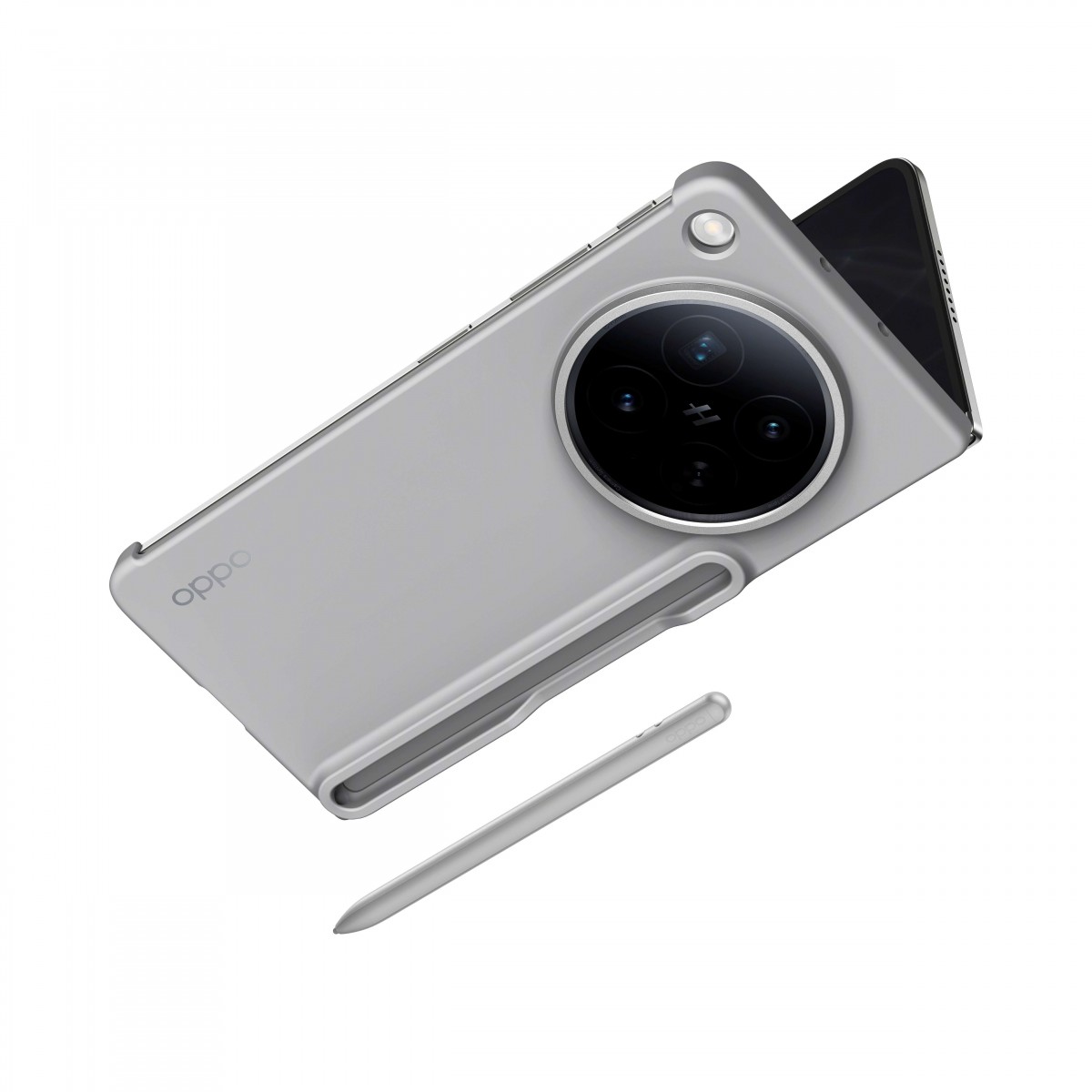
The Oppo Find N6 is here to lead the way as the new standard when it comes to folding phones. Oppo has used some technical ingenuity to combat the inherent problems with folding phones, like pronounced creases and resistance to both dust and water.
Before we get to the build, an inside look reveals some of the key improvements to the Find N6. This year, Oppo went with a full-fat variant of the Snapdragon flagship SoC – the Elite 8 Gen 5. It is paired with 12GB/16GB LPDDR5X 4266MHz RAM and 256GB, 512GB, or 1TB of UFS 4.1 storage.
Another improvement is in the battery, which is now up to a 6,000mAh silicon-carbon unit (up from 5,600mAh), with the same 80W SuperVOOC and 50W AirVOOC charging.
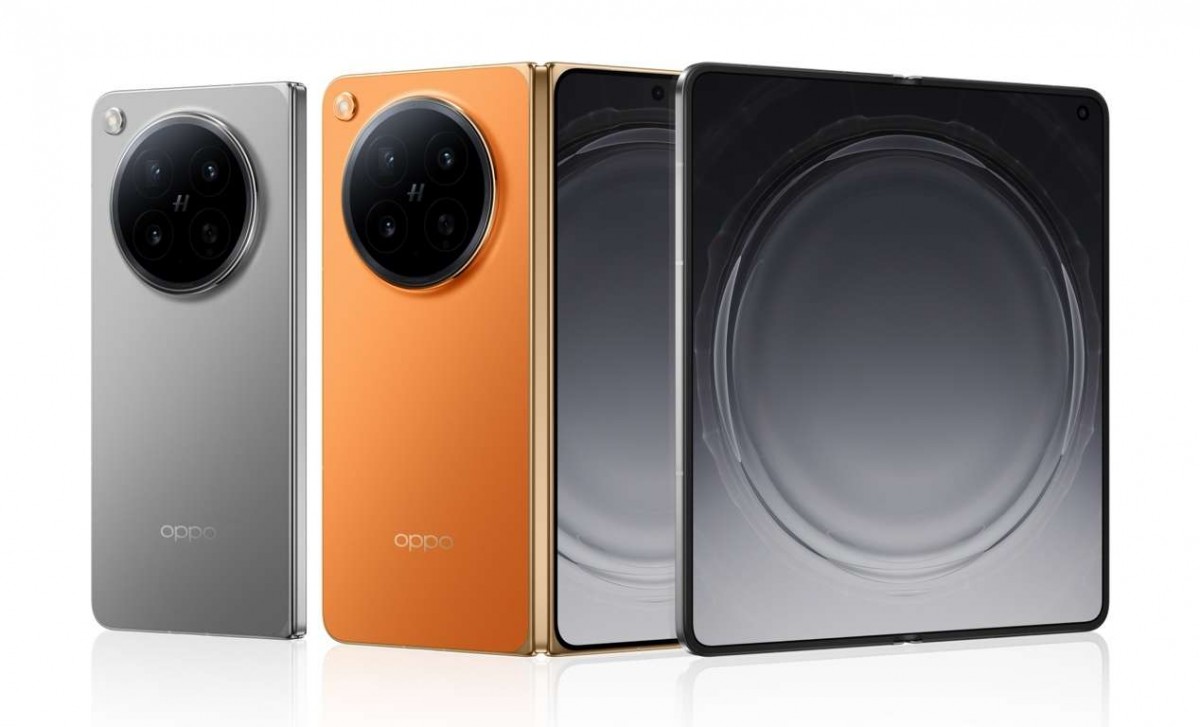
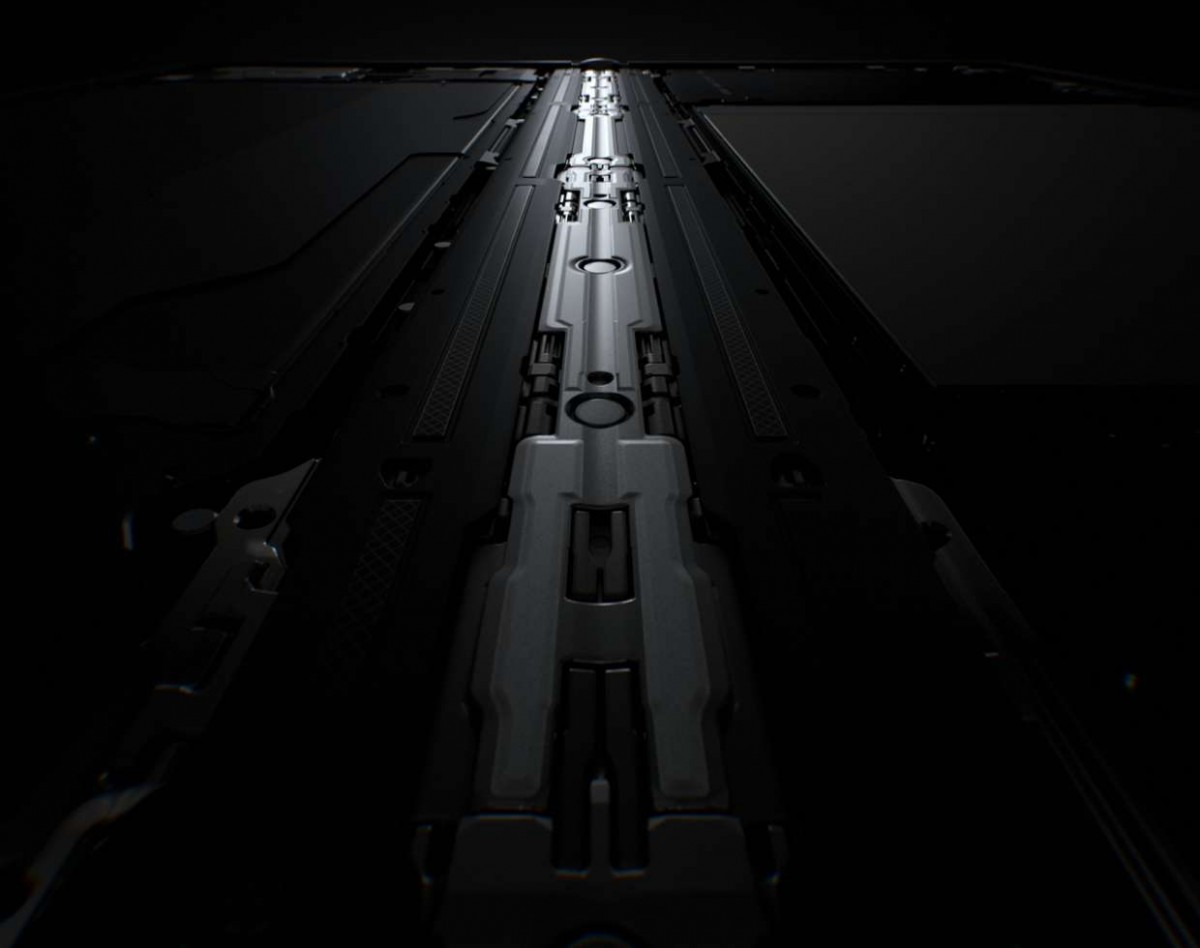
The biggest upgrade is the design of the Find N6. It is almost identical in dimensions to its predecessor and packs a similar display diagonal. But Oppo re-engineered the hinge – it’s now a second-generation Titanium Flexion design, which is 11% wider, and features a more gentle teardrop bend when folding the screen to reduce wear and tear over the years.
Let’s talk about Oppo’s zero-feel crease. Because the hinge is made up of dozens of separate parts that vary in height between them, the folding screen on top sits unevenly, and we get a crease. Oppo used laser scanning to measure the hinge surface at 0.3 micrometer precision, and then used 3D liquid printing to apply polymer droplets, which were then UV-cured layer by layer. This reduces the unevenness of the hinge by about 0.2 mm to 0.05 mm.
Finally, Oppo says its “Auto-Smoothing Flex Glass” folding display layer is 50% thicker, has 100% better shape recovery, and is 338% more distortion resistant. Oppo says the screen actively “retracts” when unfolded.
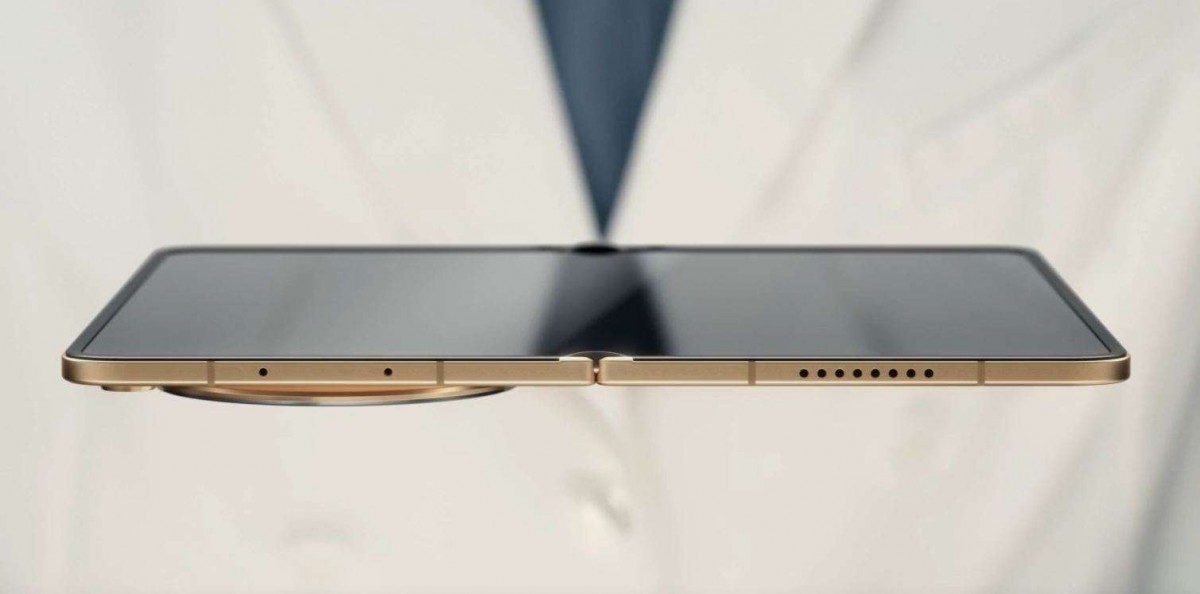
All this means that the crease should feel less prominent with use and should not increase over the years. Oppo says it has certified the Find N6 with TÜV Rhineland to maintain flatness up to 600,000 folds, and up to 1 million folds overall.
And it’s not just the durability of the folding mechanism that’s been improved; The phone is now rated against dust inclusion. It is IP56/IP58/IP59 rated.
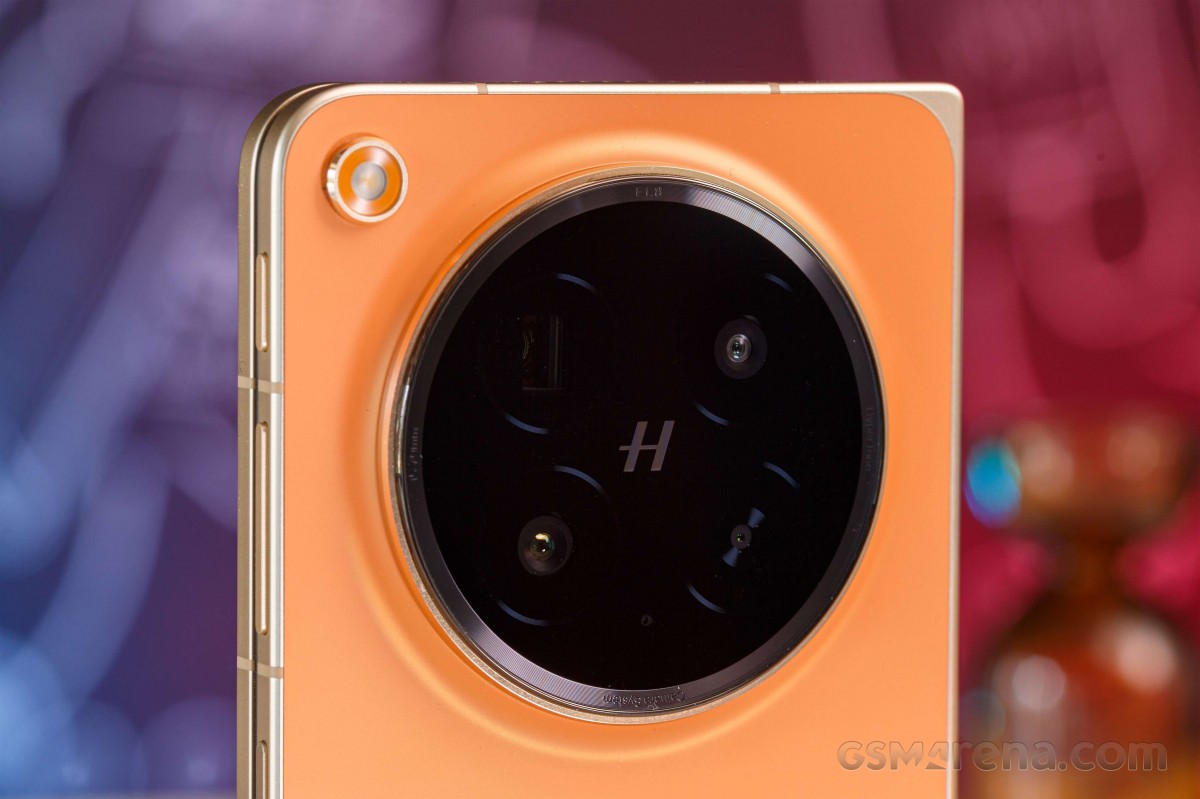
The cameras and display are mostly the same. On the back, the Find N6 has a new 200MP main camera, but its sensor size remains the same at 1/1.56-inch (ISOCELL HP5). The lens is a slightly brighter 21mm f/1.8 (vs. f/1.9). The Find N6 receives a True Color sensor, which premiered in the Find X9 series. This enables accurate white balance and natural colors.
The zoom uses the same size 1/2.75-inch imager (ISOCELL JN5) but a slightly different lens: 70mm f/2.7 (vs. 75mm f/2.7).
Only the ultrawide is a big improvement, with a significantly larger new 50MP 1/2.75-inch sensor (JN5) under a new 15mm f/2.0 lens with AF. There are also new selfie cameras on both screens – a 20MP 1/3.42-inch (ISOCELL KD1) with the same 21mm f/2.4 fixed-focus lens.

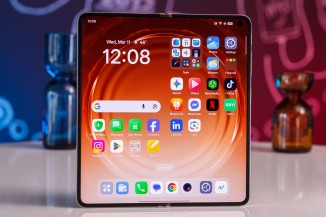
The displays have gotten brighter – the cover screen tops out at 1,800 nits outdoor and 3,600 nits peak, with the interior screen at 1,800 nits/2,500 nits.
Otherwise, you’re looking at the same diagonal and resolution – a 6.62-inch LTPO (1-120Hz) 2616x1140px cover and an 8.12-inch LTPO (1-120) 2480x2248px inside. Both panels are 10-bit Dolby Vision.
It shows
Find N6 launches with Android 16 and ColorOS 16 on tap. Oppo promises 5 years of Android OS updates and 6 years of security updates.
The Oppo Find N6 is available for pre-order today and will be available globally from March 20. Prices start at ¥9,999 (€1,248/£1,060/₹126,500) for the 12/256GB base model, then rising to ¥10,999 (€1,373/£1,166/₹115,000). 16/512GB one, and ¥11,999 (€1,498/£1,272/₹138,000) for the 16GB/1TB range-topper. Early buyers will get a MagSafe case with wallet and stand accessory for free.